8:00 in the evening in Hong Kong feels familiar if you live in Singapore, Kuala Lumpur, Manila, Taipei, Shanghai, or Beijing. In all of those places, the clocks agree most of the year. That shared rhythm is the heart of Asian time zones, and it is also why HKT shows up everywhere from flight boards to meeting invites.
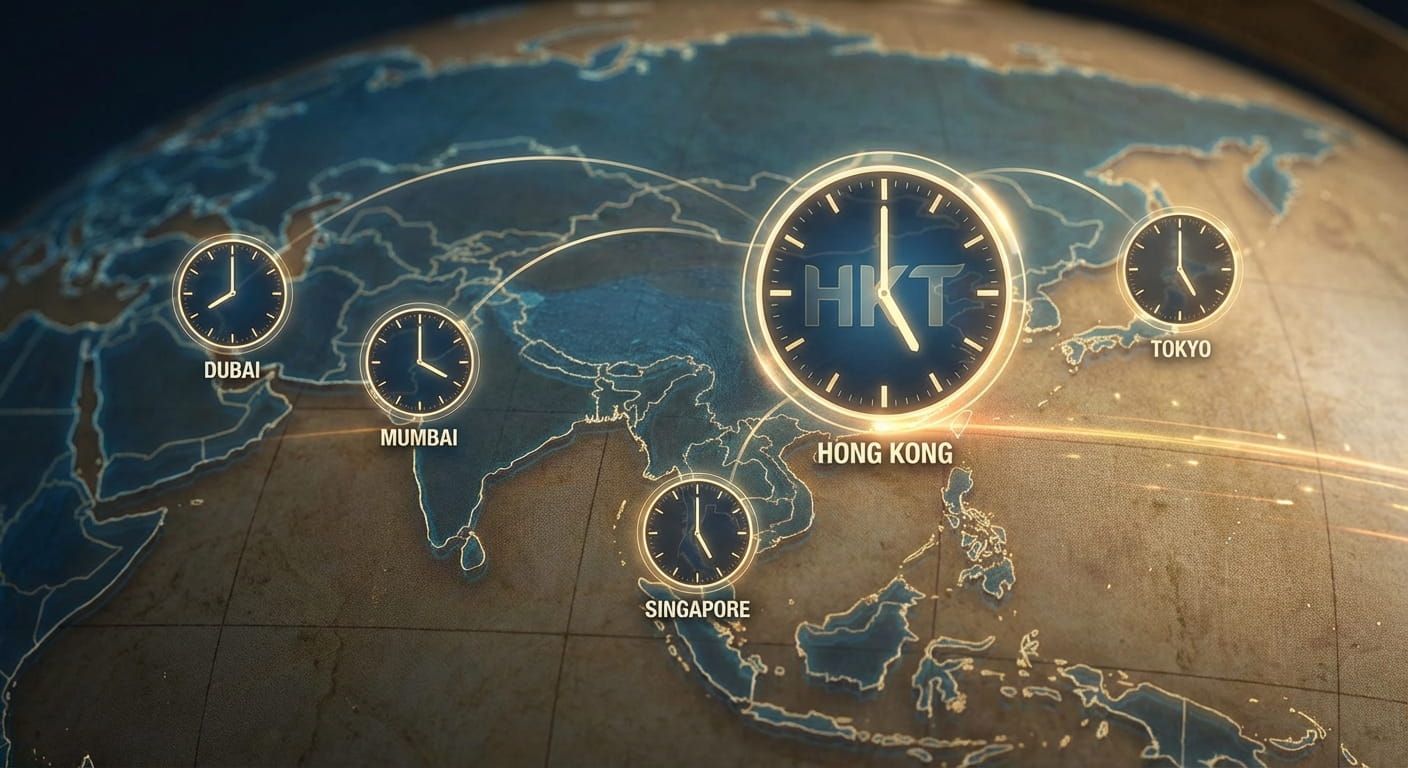
HKT is Hong Kong Time, set to UTC plus 8 all year. Many major Asian hubs share that same offset, which makes cross border planning simpler than in regions with seasonal clock shifts. Asia still spans a wide range from UTC plus 3 to UTC plus 11, and time abbreviations can be confusing, since the same letters can mean different things in different places. Use a city based check and a converter for clean results.
Quiz to check your HKT instincts
Pick an answer, then tap Check. This quiz runs in place, no sign in, no fuss.
What HKT means in plain language
HKT stands for Hong Kong Time. It runs at UTC plus 8, and it stays there year round. That steady rule is a big reason HKT is used as a reference across finance, shipping, aviation, and customer support. Hong Kong does not switch clocks seasonally in modern practice, which reduces surprise changes for schedules.
If you want the quick snapshot of the abbreviation itself, Hong Kong time is a handy reference point that stays stable. For day to day planning, it helps to treat HKT as a city clock, not a vague label. City clocks stay clear even when abbreviations collide.
Where HKT fits in the Asian time zone picture
Asia stretches across many longitudes. That means the region spans a wide range of UTC offsets. You can feel this when a morning call in Karachi lines up with early afternoon in Bangkok, and evening in Tokyo. The good news, a large part of East and Southeast Asia clusters around UTC plus 7, UTC plus 8, and UTC plus 9. That cluster is why HKT shows up in many international schedules.
Quote box: “If the invite says HKT, imagine a clock in Central, Hong Kong. Then compare your city to that clock, not to the letters.”
A table you can scan, major Asian offsets and familiar places
That table shows why HKT is a comfortable middle for many teams. A call at 16:00 in Hong Kong is 15:00 in Bangkok, 17:00 in Tokyo, and 21:30 in Delhi. The spacing feels manageable for working hours, and it also explains why many global companies run Asia support rotations around UTC plus 8.
Why abbreviations get messy in Asia
Time abbreviations feel tidy until you meet duplicates. CST is the classic example. In East Asia, CST often refers to China Standard Time, which is also UTC plus 8. In North America, CST often refers to Central Standard Time, which is far away in both geography and offset. That mismatch causes real mistakes in email threads and ticket escalations.
Another common confusion comes from IST. In South Asia, IST is India Standard Time, which is UTC plus 5:30. In other contexts, IST can refer to Israel Standard Time or Irish Standard Time. The letters match, the clock does not. A fast way to reduce mix ups is to pair the abbreviation with a city name, or skip the abbreviation and use a city directly.
If you need a wider reference for how abbreviations are used, world time zone abbreviations is a solid overview for common labels and their typical meanings.
UTC and GMT, the backbone behind HKT
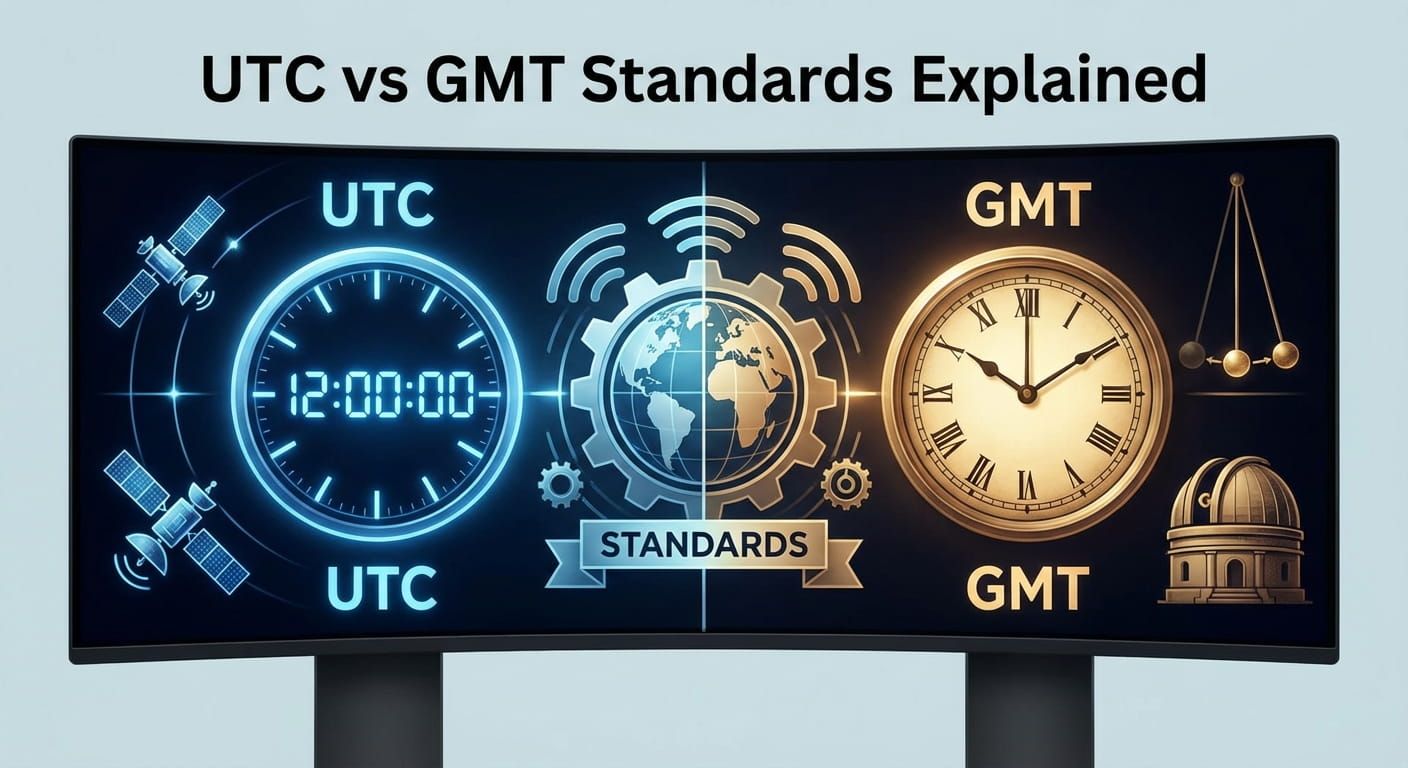
UTC is the global reference that offsets are measured from. GMT is often used in everyday language, and in many cases it behaves the same way for scheduling. The key detail for most people is simple, HKT equals UTC plus 8. That remains true whether a calendar mentions UTC or GMT.
For a deeper background that stays practical, UTC vs GMT standards lays out the difference in clear terms without turning it into a physics lecture.
Daylight saving time, why Asia often feels calmer
Many parts of Asia do not change clocks seasonally. Hong Kong keeps HKT steady. Singapore stays steady. China stays steady. Japan stays steady. South Korea stays steady. That stability is a gift for planning across quarters. It reduces the sudden one hour slip that can break recurring meetings.
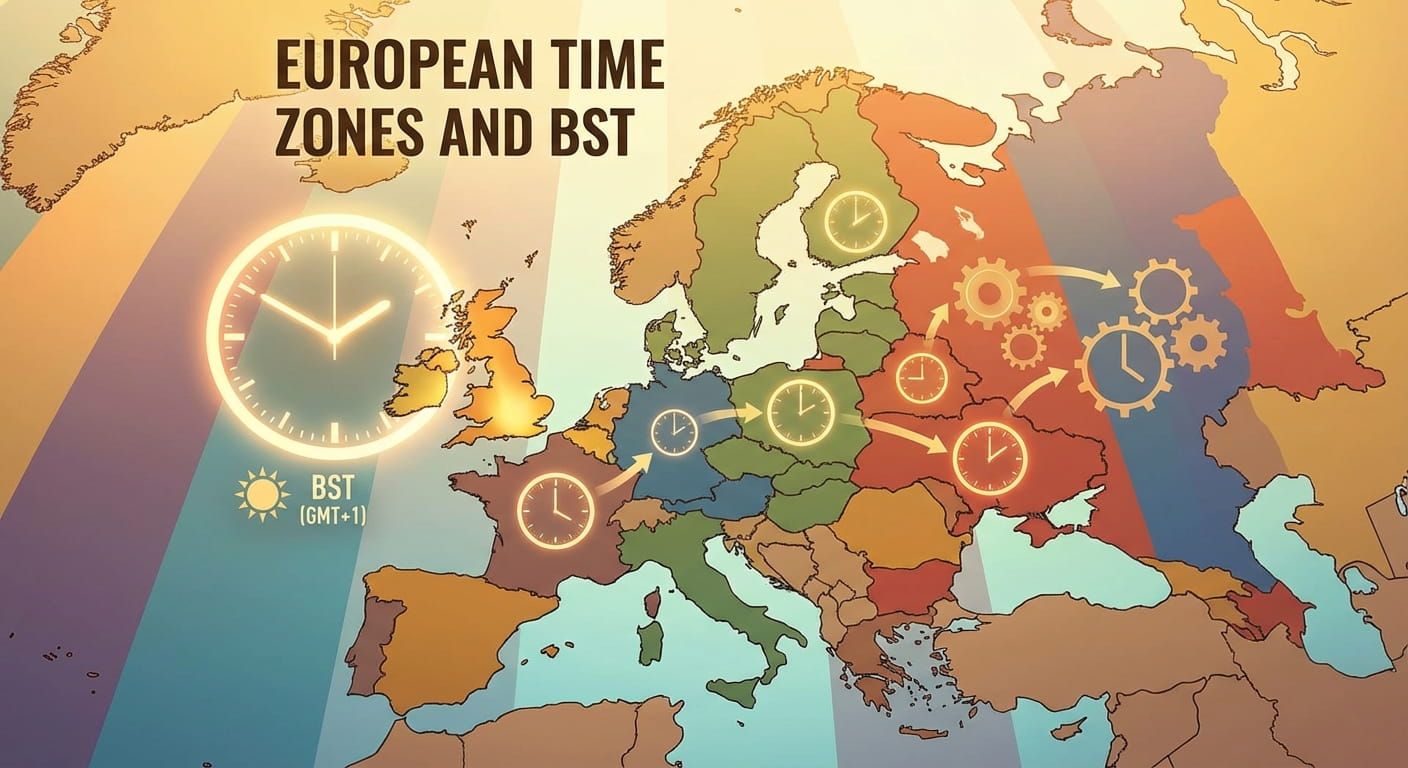
Still, Asia is not a single rulebook. Some nearby regions do adjust clocks seasonally, and global partners in Europe, North America, and Australia often do. That means a meeting time in Hong Kong can shift relative to London or New York even when Hong Kong does nothing at all. The meeting did not move in HKT, the other side moved.
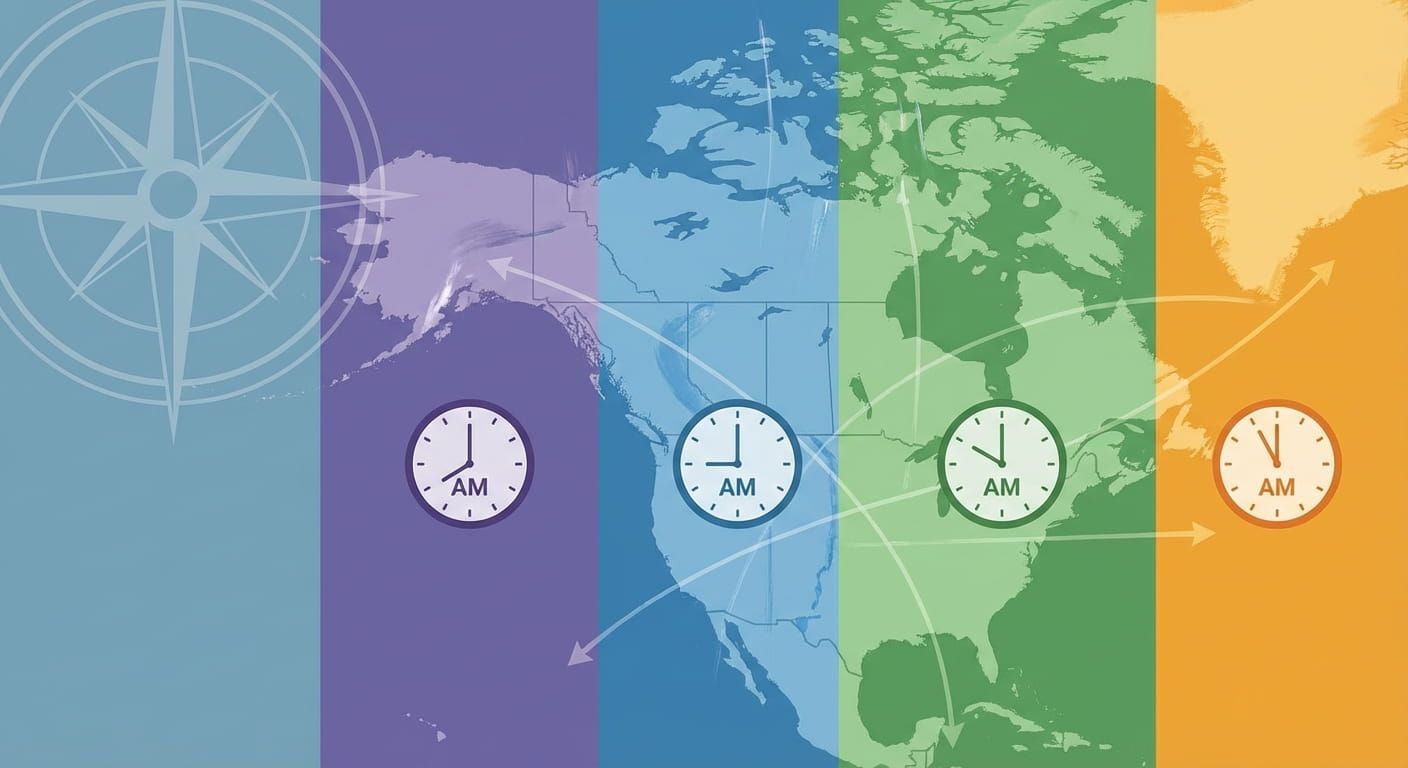
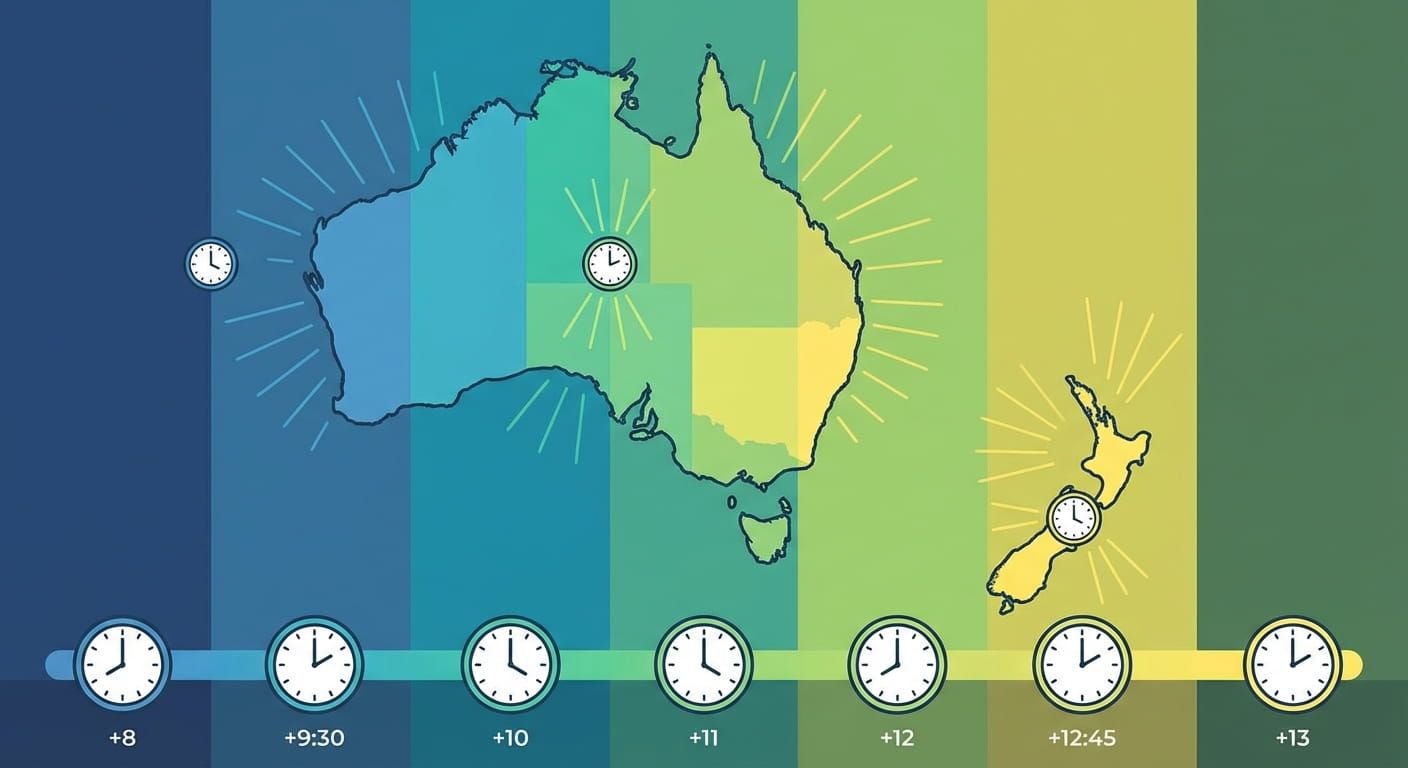
For teams that coordinate between Asia and Australia or New Zealand, Australian and New Zealand time zones helps you anticipate where seasonal changes can affect handoffs.
How to convert HKT without mistakes
Conversion is easy once you stick to a repeatable method. Here is a simple approach that works for school projects, remote work, esports schedules, and travel plans.
- Lock the anchor city, treat Hong Kong as the reference clock for HKT.
- Write the HKT time in 24 hour format, for example 18:30, not 6:30.
- Find the other city’s offset, Tokyo is UTC plus 9, Bangkok is UTC plus 7, Delhi is UTC plus 5:30.
- Count the difference, Tokyo is one hour ahead of Hong Kong, Bangkok is one hour behind, Delhi is two hours and thirty minutes behind.
- Check the date, crossing midnight is where people get caught, 00:30 in Hong Kong is still the previous day in Karachi.
Tools help when your brain is tired. A clean workflow uses a dedicated converter once you have the city names and the time. time zone converter fits that workflow when you want a fast double check before sending an invite.
Eight everyday moments where HKT shows up
This section is built for scanning. Each item is a common situation where HKT appears in real life, plus what to watch for.
- Flights and airport boards, HKT may appear beside departures connected to Hong Kong, Macau, or regional hubs that share UTC plus 8.
- Streaming events, game launches and live shows sometimes post HKT because it aligns with a large East and Southeast Asian audience.
- Finance market windows, Hong Kong trading hours are often referenced in HKT for cross border desks.
- Customer support shifts, Asia Pacific support handoffs may use UTC plus 8 as a default scheduling block.
- Regional school programs, online courses hosted from Hong Kong may list session times in HKT.
- Shipping cutoffs, logistics teams may label same day pickup times in HKT for ports that coordinate with Hong Kong.
- Product launches, brands targeting China, Taiwan, and Hong Kong often pick HKT because it matches China Standard Time.
- Meetups across ASEAN, Singapore, Kuala Lumpur, and Manila line up with HKT, which reduces conversion friction.
Helpful habits for city time planning
Small habits prevent most time mistakes. These tips stay friendly to busy schedules.
- Use cities in invites, write “Hong Kong” or “Singapore” beside the time, not only the abbreviation.
- Prefer 24 hour format, 19:00 is harder to misread than 7:00.
- Write the date out, add the month name when you cross time zones, especially around midnight.
- Keep a small set of reference clocks, Hong Kong, Tokyo, Delhi, and Jakarta cover many common offsets.
- Check before sending, a tool based verification takes seconds and saves awkward follow ups.
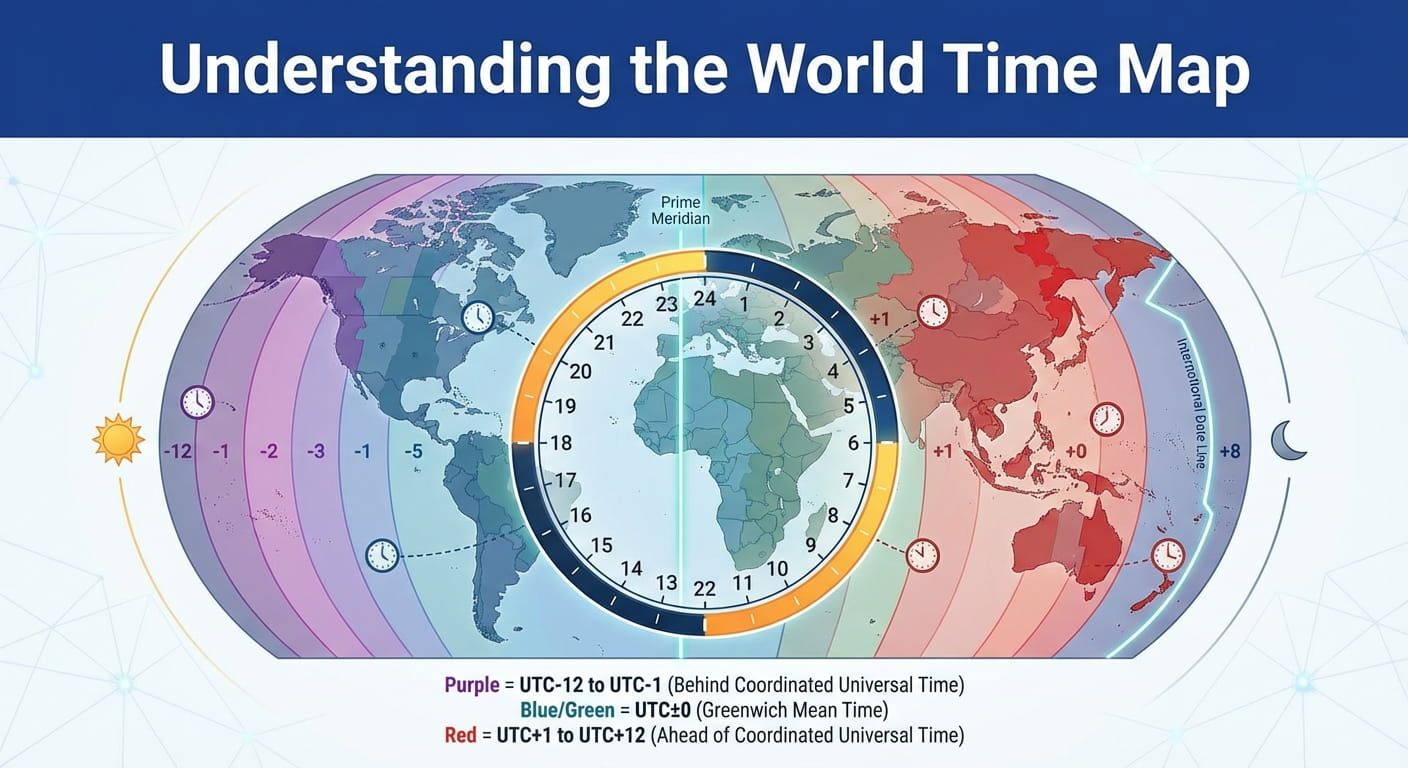
For a visual way to understand why places share or differ in offsets, time zone map makes the geography click. It also helps explain why western China still runs on a single national time even though the sun position differs by region.
HKT compared with nearby Asian time zones
HKT sits in the UTC plus 8 band. Many nearby time zones are one step away, which keeps conversions simple.
Here is a compact snapshot:
- HKT to JST, Tokyo and Osaka are one hour ahead.
- HKT to KST, Seoul and Busan are one hour ahead.
- HKT to WIB, Jakarta and Bangkok are one hour behind.
- HKT to IST, Delhi is two hours and thirty minutes behind.
- HKT to PKT, Karachi is three hours behind.
Quote box: “If you only memorize one Asia rule, memorize this one, HKT equals Singapore time for everyday planning.”
Using world clocks for ongoing awareness
A one time conversion is fine, recurring collaboration needs persistent awareness. A world clock view keeps you from doing mental math every time someone posts a message at 23:40 in Tokyo. It also makes it easier to protect quiet hours for friends, classmates, or coworkers in different cities.
A setup many people like includes Hong Kong, Singapore, Tokyo, Seoul, Delhi, Bangkok, and Sydney. Keep it visible during study sessions or work blocks. world clock makes this kind of multi city view feel effortless.
Reading times clearly, avoiding AM and PM traps
AM and PM mistakes happen often in international chats. A simple fix is using 24 hour time. Another fix is including the offset or city name in the same line as the time. This is especially helpful for events that cross midnight or for sessions that start near the end of the day.
If you are getting used to 24 hour time, military time reading can help you build the habit fast. Once 18:30 feels normal, time zone planning gets calmer.
A friendly wrap up for Asian clocks and HKT
HKT works well as a regional anchor because it stays at UTC plus 8 and lines up with many major cities across East and Southeast Asia. It pairs naturally with Singapore, Kuala Lumpur, Manila, Taipei, Shanghai, and Beijing, while staying only one hour away from Tokyo and Seoul. Use city names, use 24 hour time, and check the date when midnight is close. That is how HKT turns from a label into a reliable shared rhythm.