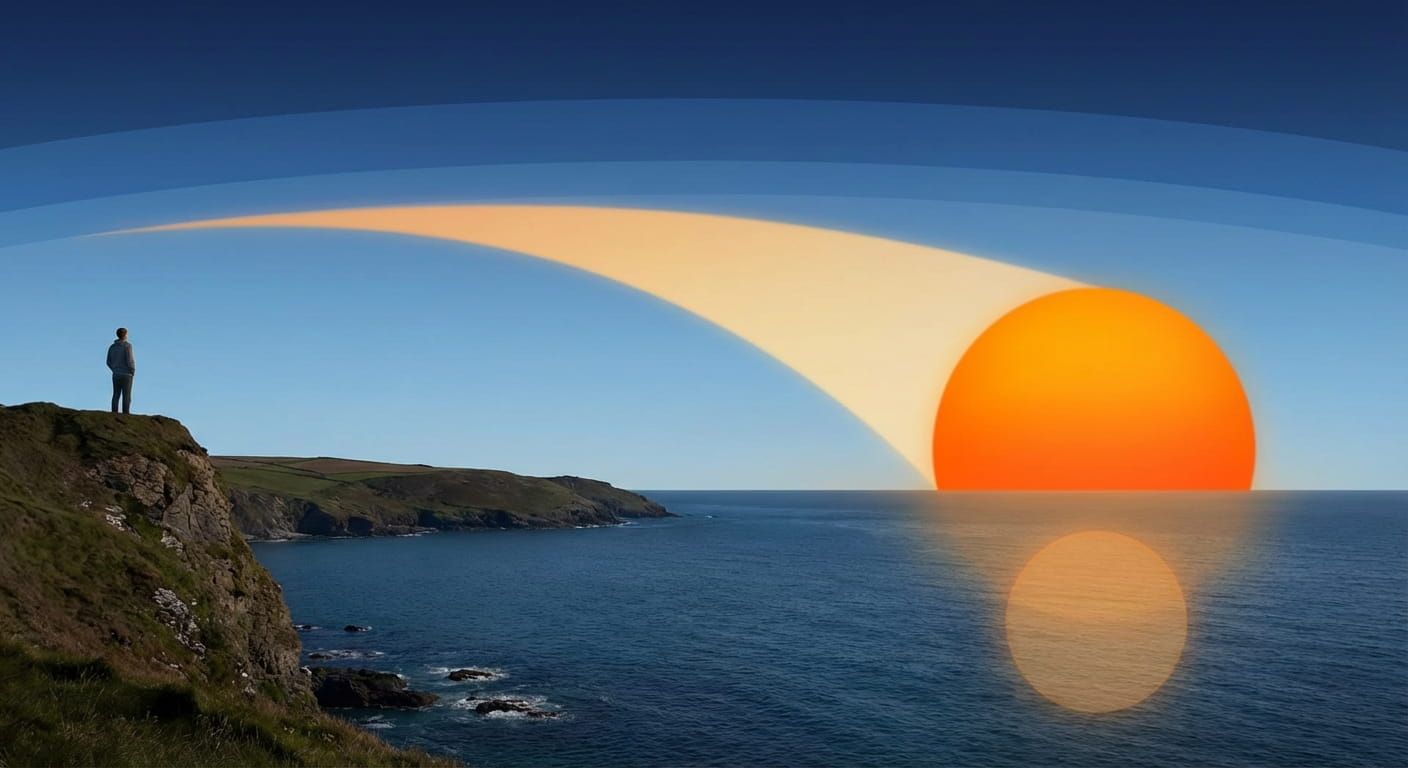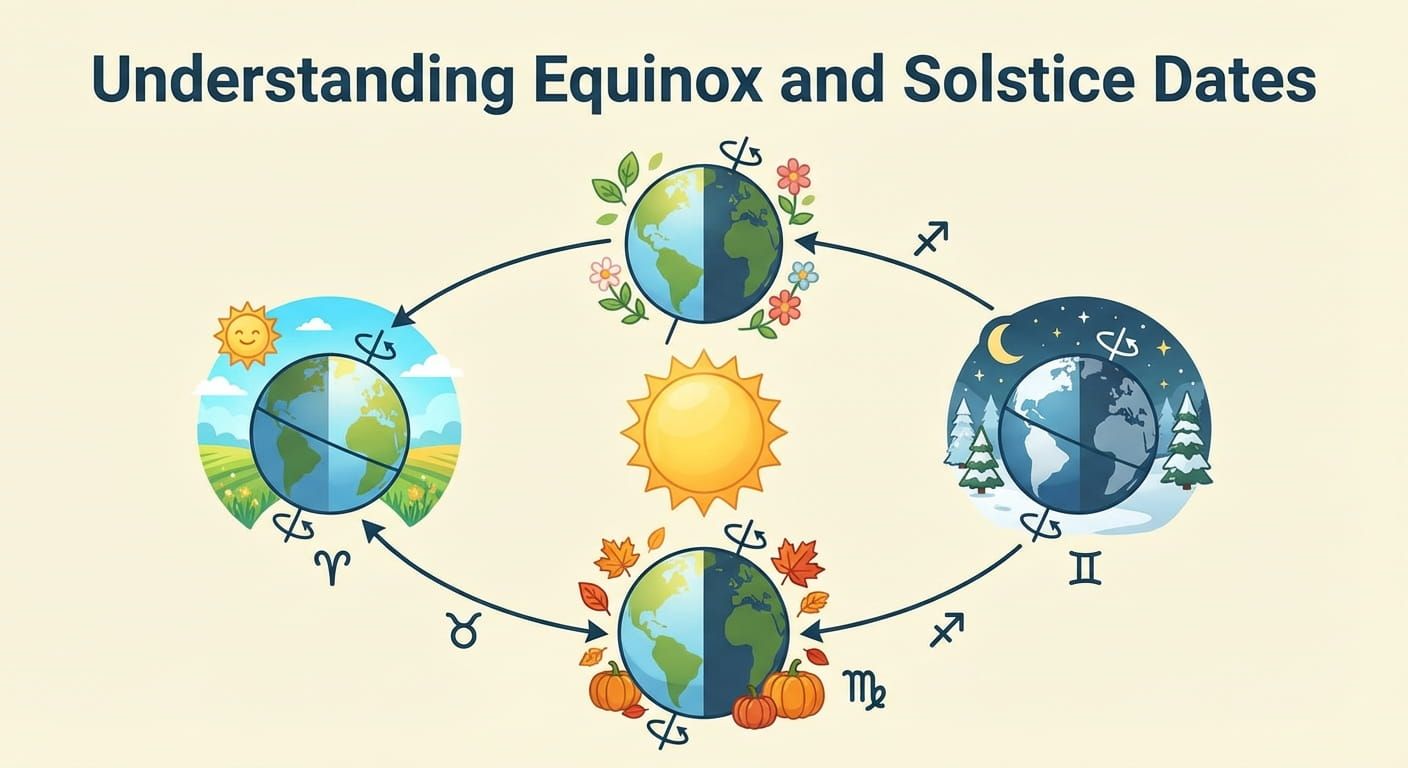
The Sun keeps a steadier schedule than we do, yet the calendar dates for equinoxes and solstices still shift from year to year. One year the June solstice lands on the 20th, another year it lands on the 21st. That tiny wobble in the date is not random, and it connects directly to what you see outside, earlier sunrises, later sunsets, and long summer evenings that feel like they refuse to end.
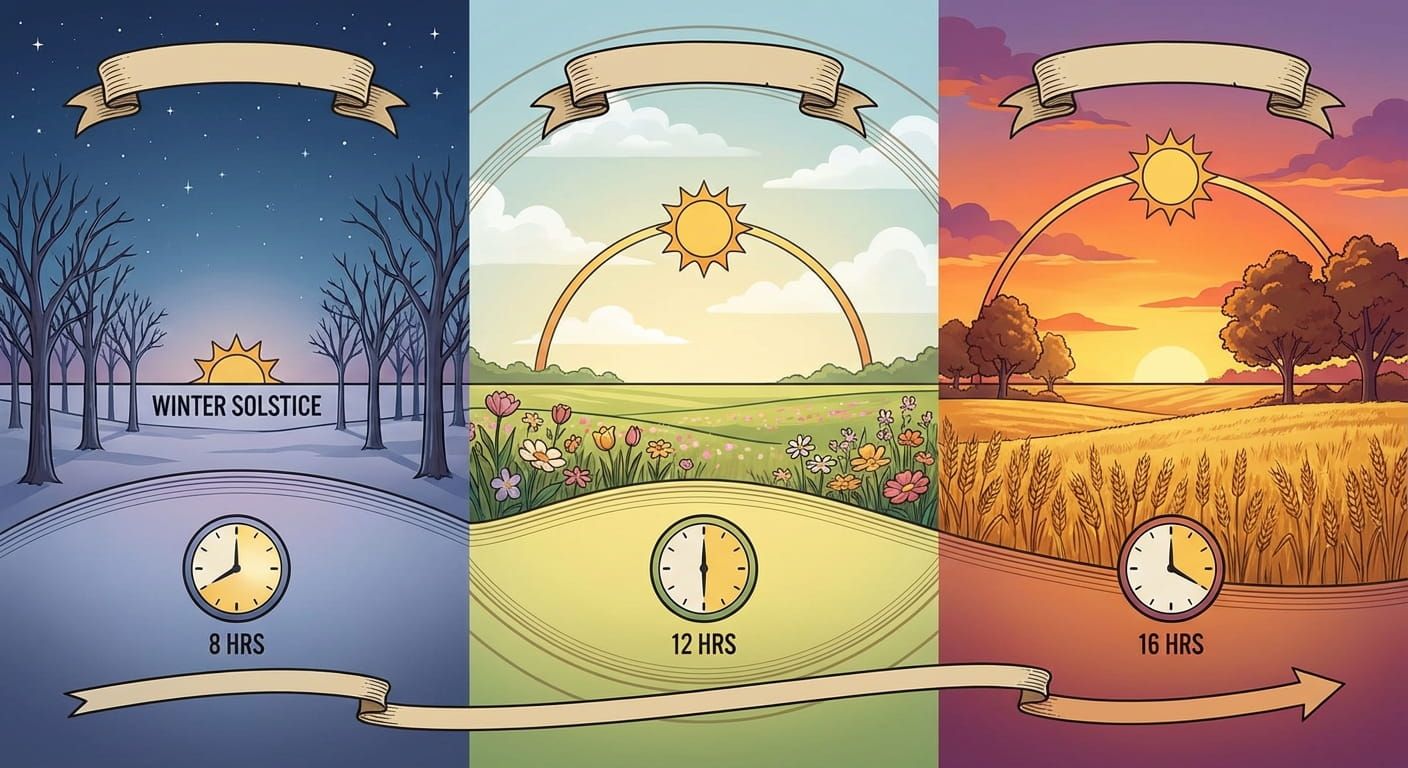
Equinoxes happen when Earth’s tilt is sideways to the Sun, making day and night close to equal worldwide. Solstices happen when Earth’s tilt points most toward or away from the Sun, creating the longest and shortest daylight of the year. Their dates shift because our calendar uses whole days while Earth’s orbit does not, and because leap years and time zones change which local date gets the exact moment.
What equinoxes and solstices really mean
An equinox is an instant, not a full day. It is the moment the Sun’s center crosses Earth’s equator in the sky. That happens twice each year, around March and around September. A solstice is also an instant, the moment the Sun reaches its farthest north or farthest south position in the sky. That happens around June and around December.
People talk about equinox day and solstice day because the moment falls on a specific date in each time zone. The exact minute can be different across the world. If the solstice moment happens at 23:30 in New York City, it can already be the next day in Tokyo.
Think of it as a worldwide timestamp. Your local date is just the label your time zone puts on that timestamp.
A small solar seasons quiz you can tap through
1) An equinox is best described as
2) The June solstice brings the longest daylight to
3) The date printed on calendars can vary mainly because
The usual date windows you will see
Most years, the four events fall inside fairly tight windows. The exact moment is calculated from precise astronomy, and then each time zone turns that moment into a local date and local time. Here are the typical ranges people notice on calendars:
- March equinox often lands on March 19, 20, or 21
- June solstice often lands on June 20, 21, or 22
- September equinox often lands on September 22, 23, or 24
- December solstice often lands on December 20, 21, 22, or 23
The moment can show up on different local dates. London and Paris may share a date while Sydney has already moved to tomorrow. Singapore may be hours ahead of Dubai and hours behind Tokyo. Time zones matter more than most people expect.
How these dates show up in sunrise and sunset times
If your goal is planning your day, the key question is often not, what day is the solstice, but what happens to morning and evening light around it. Near the June solstice in the Northern Hemisphere, sunrise happens earlier and sunset happens later for many places, giving the longest daylight. Near the December solstice it flips.
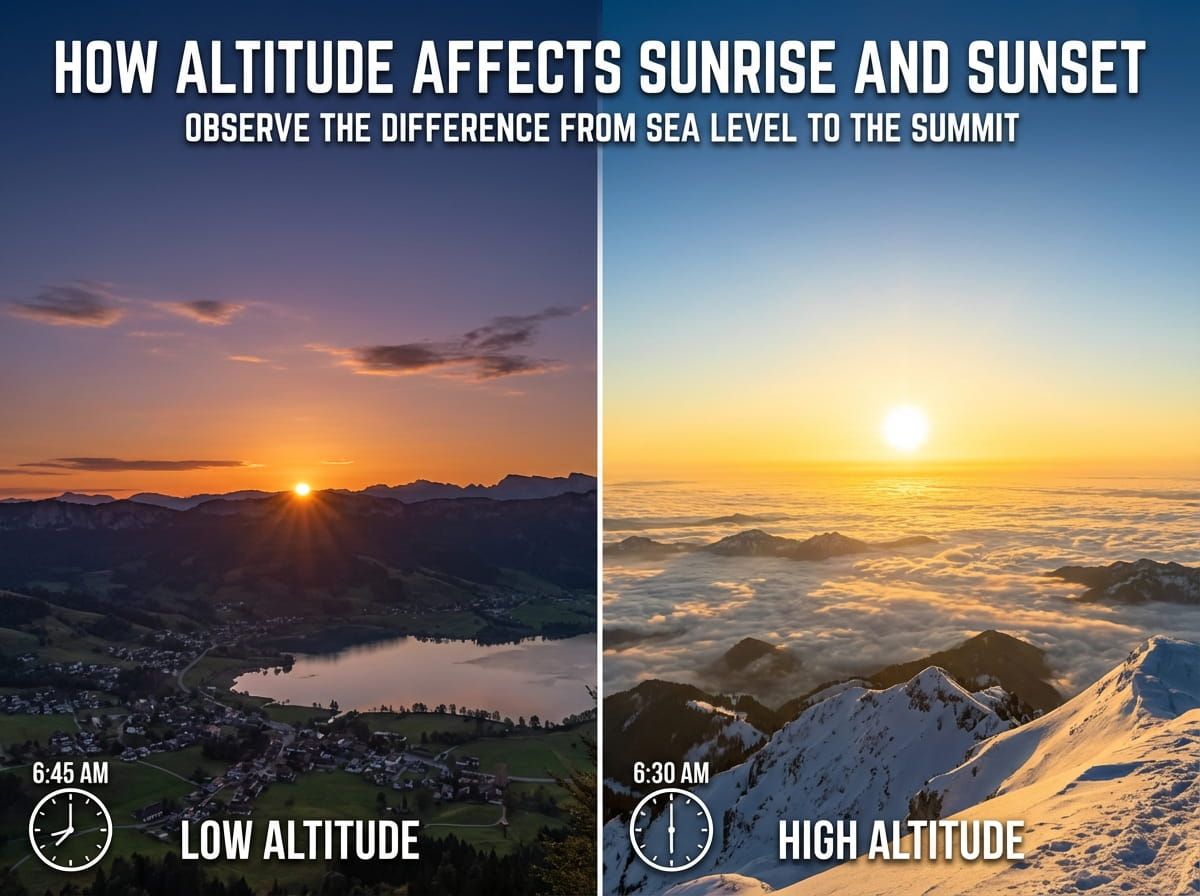
This is the part you can track day by day. If you want to tie the concept to your own place, checking a city or country page helps. The sunrise section makes it easy to spot the trend as the dates approach. You can do the same for evening light on the sunset section. Each page highlights the daily times in local clock time, which is the view that matters when you set an alarm.
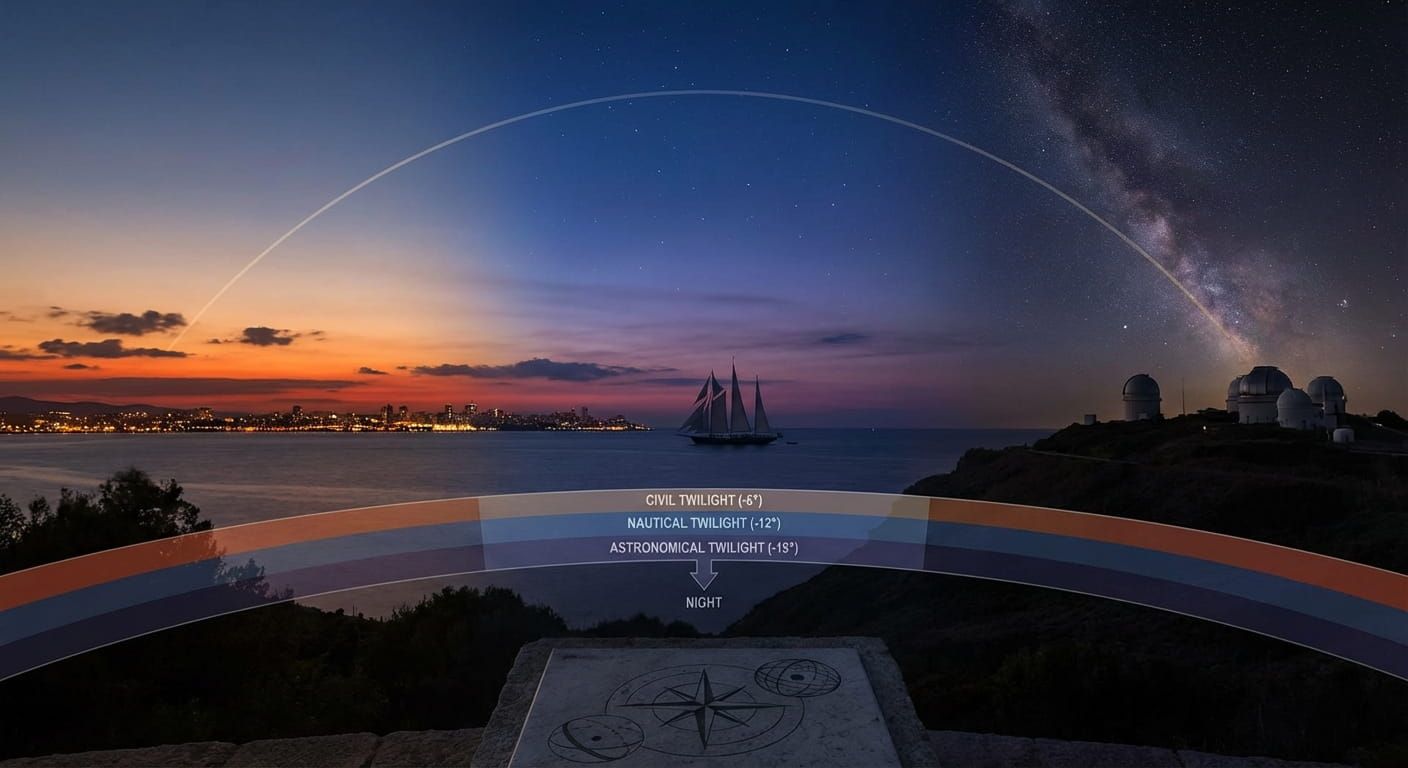
Daily patterns also connect to twilight. Even after sunset, the sky can stay bright for a long time in summer, especially in higher latitudes. If you are curious about the stages of fading light, the guide to civil, nautical, and astronomical twilight is a helpful companion.
Why the dates shift from year to year
The basic reason is that Earth does not take a whole number of days to orbit the Sun. It takes about 365.2422 days. Our calendar uses 365 days most years, then adds a day in leap years to keep seasons from drifting across the months.
Even with leap years, the match is not perfect. The moment of an equinox or solstice is measured in fractions of a day. That means it can land at 00:12 one year and 23:50 another year in the same time zone, which can push it onto a different date.
Three big drivers are at work:
- Fractional orbit timing, the year is not exactly 365 days.
- Leap year adjustments, adding February 29 shifts the calendar alignment.
- Time zone boundaries, the same instant can be a different local date.
A smaller detail is that Earth’s orbit is slightly elliptical, and the planet changes speed a bit through the year. That changes the spacing between the seasonal moments, even though the overall pattern stays stable. Over very long spans, Earth’s axial direction slowly changes too, which shifts the seasonal timing across thousands of years, not something you notice from one calendar to the next.
A clear snapshot you can reference
This table is designed for scanning. The colors are muted, meant to feel polished on a light page, and it keeps the focus on what changes and what stays steady.
Why day and night are not perfectly equal on equinox day
Many people hear, equal night, equal day, then check the clock and find it is not exactly 12 hours. That is normal. Two main effects bend the numbers:
- Atmospheric refraction bends sunlight, letting you see the Sun a little before it is geometrically above the horizon.
- How sunrise and sunset are defined often uses the Sun’s upper edge, not the center.
Those details add minutes of daylight. The exact amount varies by location and weather, and the variation is often bigger than people expect near the poles.
Latitude changes everything, even with the same equinox date
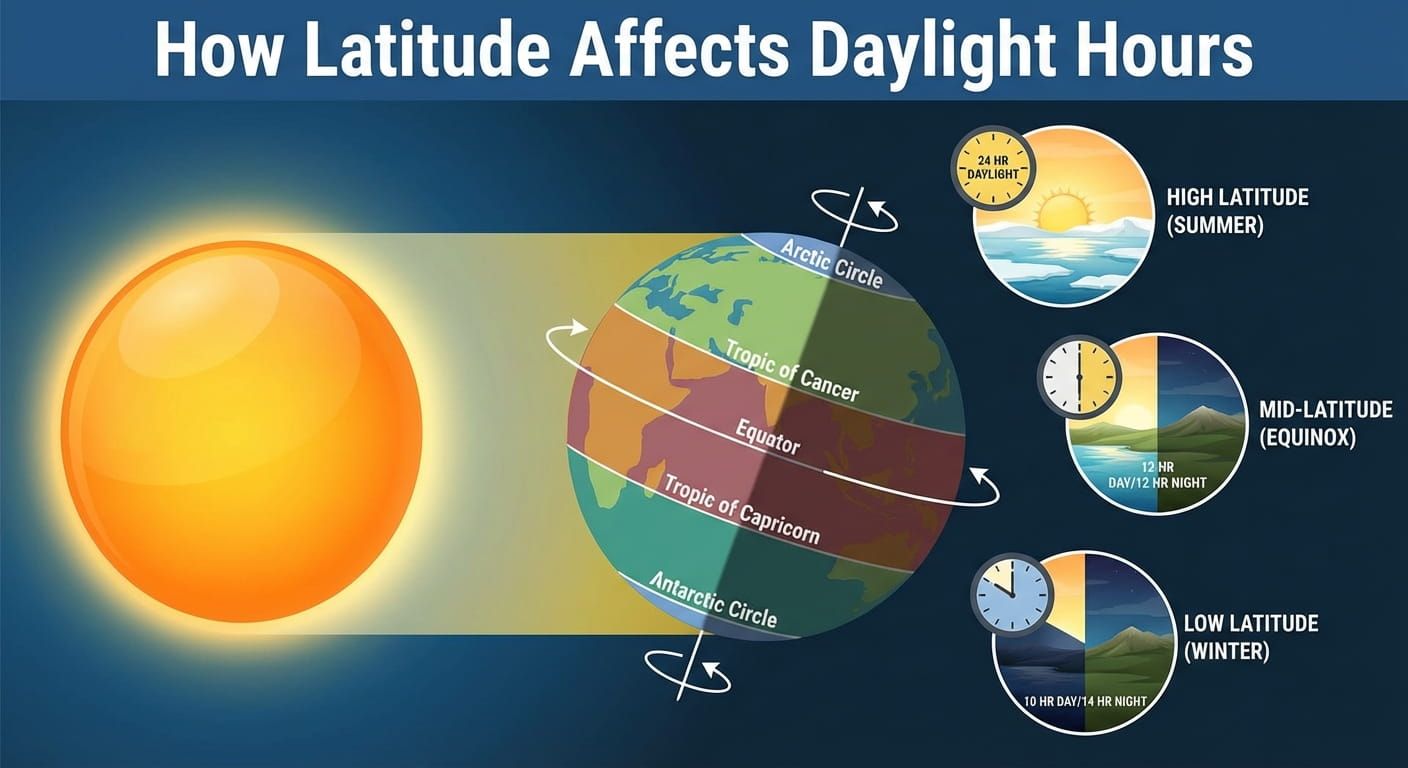
Equinoxes and solstices are global moments, but daylight length is local. Latitude decides how dramatic your daylight swings feel. Near the equator, places like Singapore and Nairobi see smaller seasonal change. Farther north, places like Stockholm, Reykjavik, and Helsinki see very large changes.
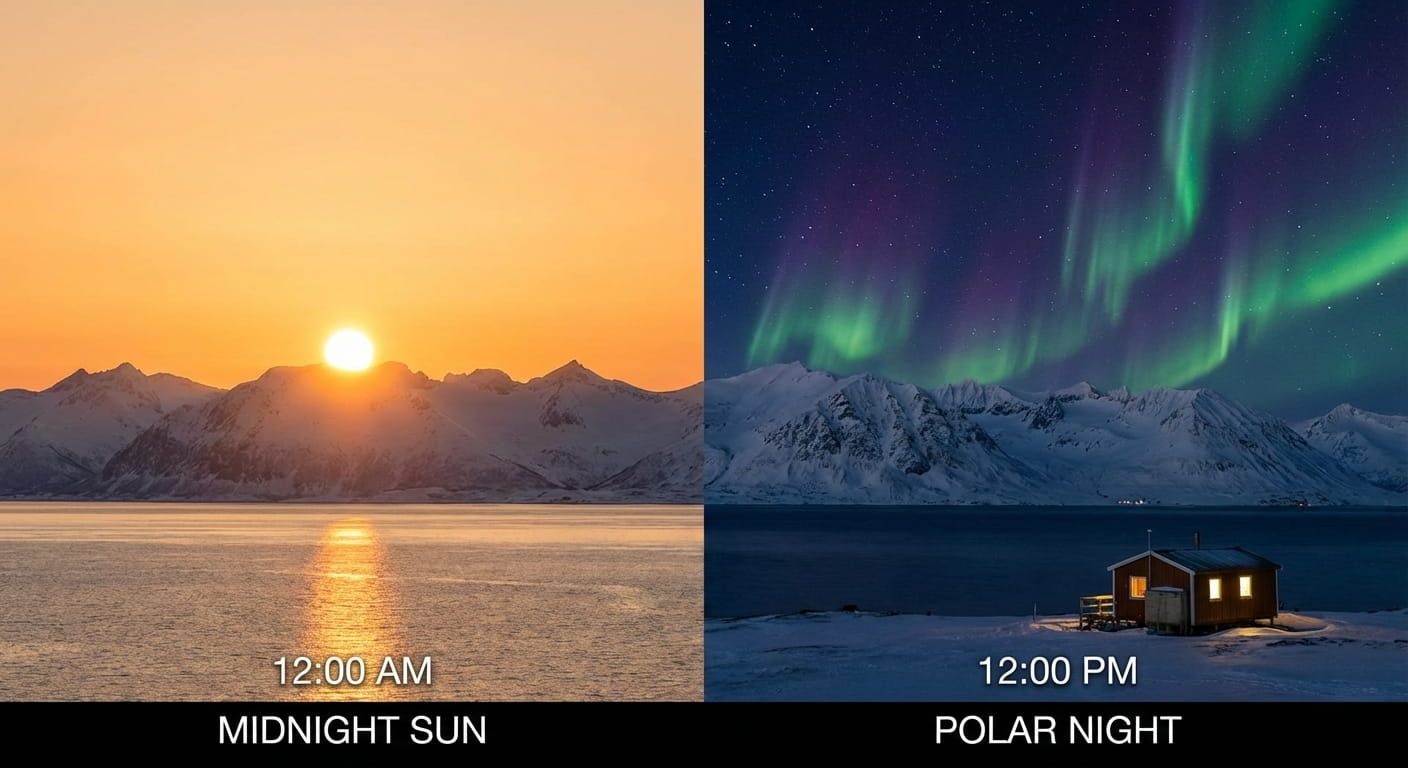
If you want to see the relationship laid out in a simple way, the piece on latitude and daylight hours connects the geometry to what you see on a daily chart. It also explains why some high latitude places get midnight sun in summer and extremely short days in winter.
In Reykjavik, the June solstice is a completely different experience than in Singapore, even though the same astronomical moment applies to both.
Solar time, clock time, and why noon is not always the Sun’s high point
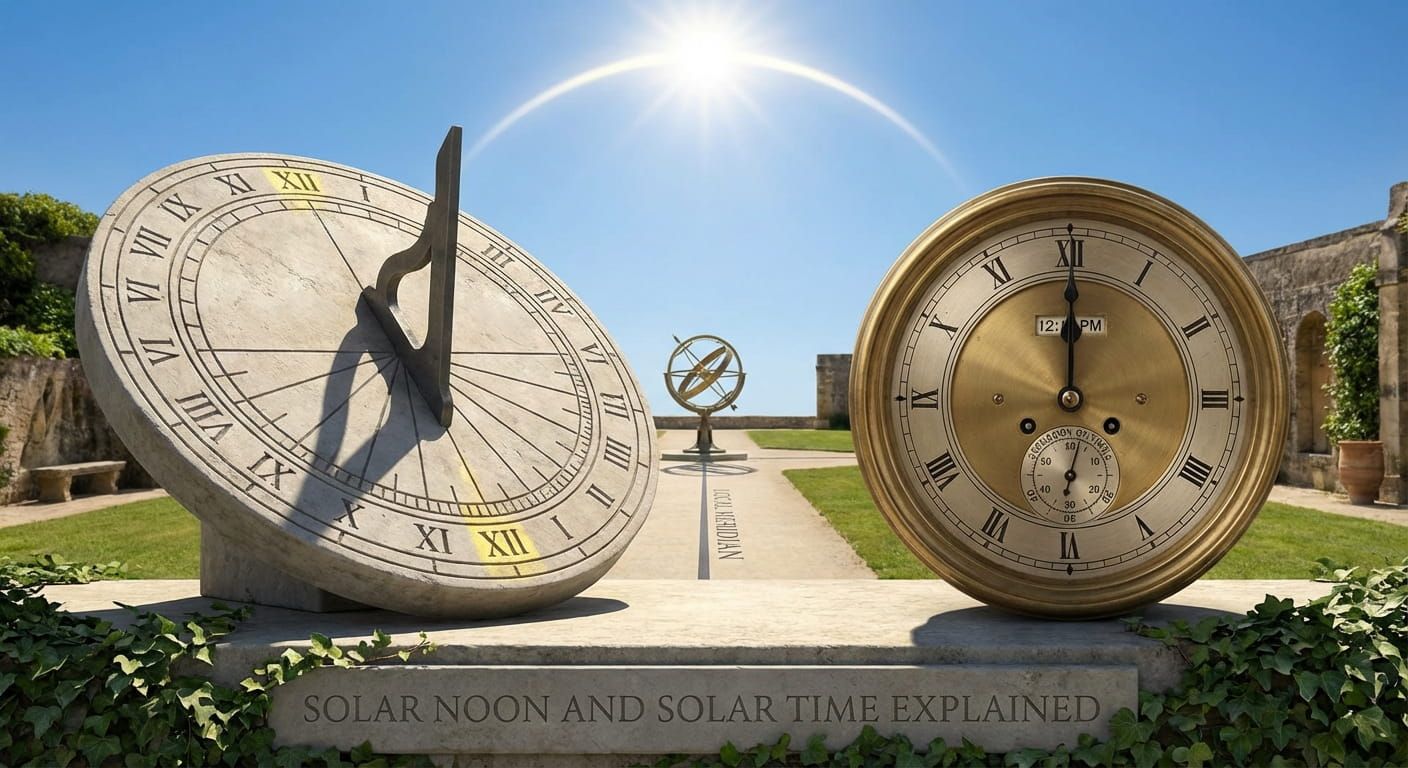
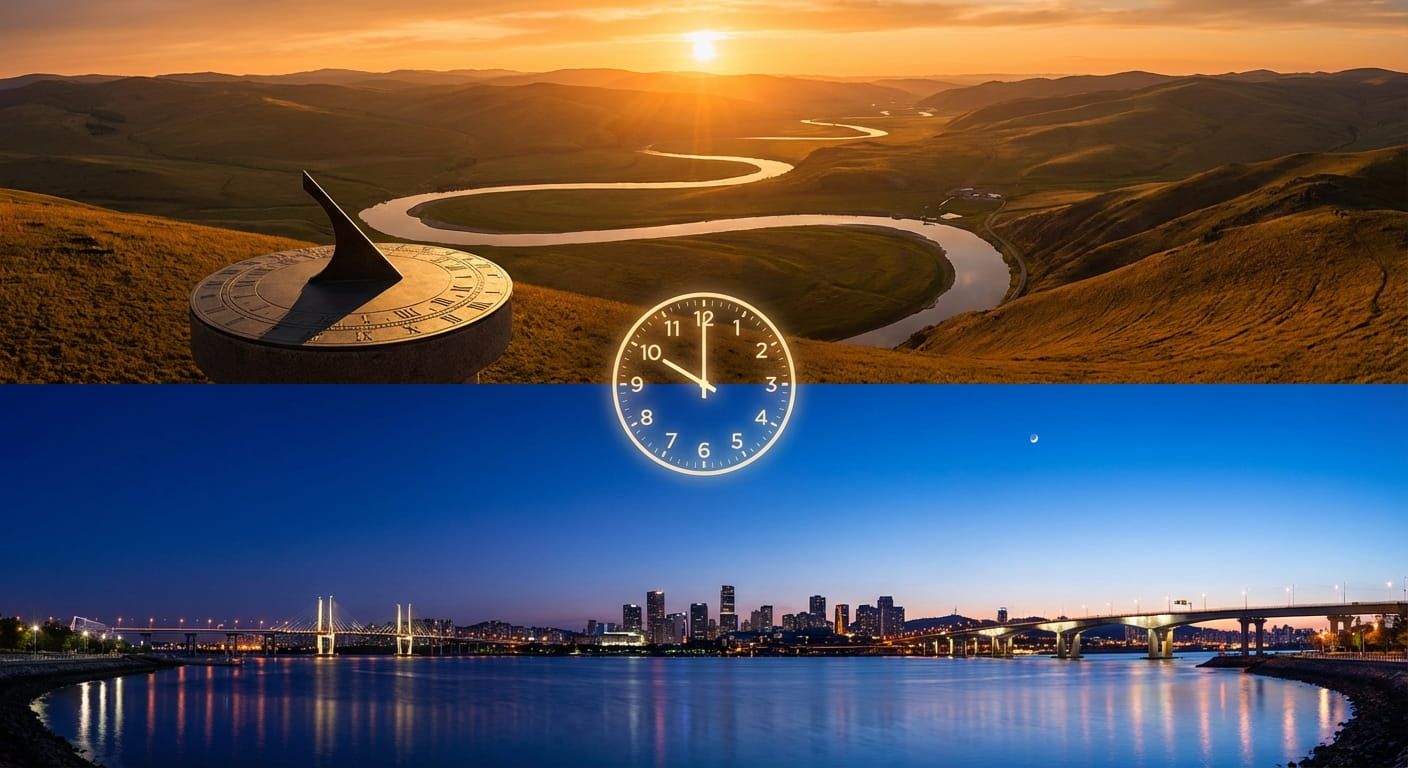
Solstices and equinoxes are defined by Earth and Sun geometry, not by your watch. That is where solar time comes in. Solar noon is the moment the Sun reaches its highest point in your sky that day. It rarely lands at 12:00 on the clock because of time zones, longitude within the time zone, and the equation of time.
If you want to connect the seasons to your own daily rhythm, reading about solar noon and solar time helps. It explains why two cities in the same country can have solar noon at noticeably different clock times.
Golden hour and blue hour around the seasonal turning points
Photographers love the weeks around equinoxes and solstices, but the reason changes by place. Near the equator, light changes are steadier, and the twilight window is shorter. At higher latitudes, twilight can stretch, and the evening glow can last a long time in summer.
If you are planning a shoot in places like Paris, Rome, Barcelona, or Vancouver, those shifts can decide whether you get one calm window of soft light or a long gentle fade. The guide to golden hour and blue hour timing shows how those windows are calculated and how they move through the year.
How to use equinox and solstice moments on Time.you
Time.you is built around precise time. It is an atomic clock synchronized service, so the timestamp you see for an event is aligned with a high accuracy reference. That matters because equinoxes and solstices are measured moments, not approximate days.
Here is a simple workflow that fits real life planning and also satisfies curiosity:
- Pick a location that matches your plans, Singapore, London, Tokyo, Sydney, Dubai, or New York City.
- Check how sunrise and sunset times trend in the two weeks before and after the seasonal moment.
- Note the daylight length change, then compare it with a second city at a different latitude, Stockholm versus Bangkok is a good contrast.
- If you care about outdoor light quality, check twilight and golden hour timing for the same dates.
This is also where time zones become tangible. The same seasonal moment can show up as one date in Los Angeles and the next date in Seoul. It is still one event. You are just seeing it through a different local clock.
Seasonal moments and eclipses, a common mix up
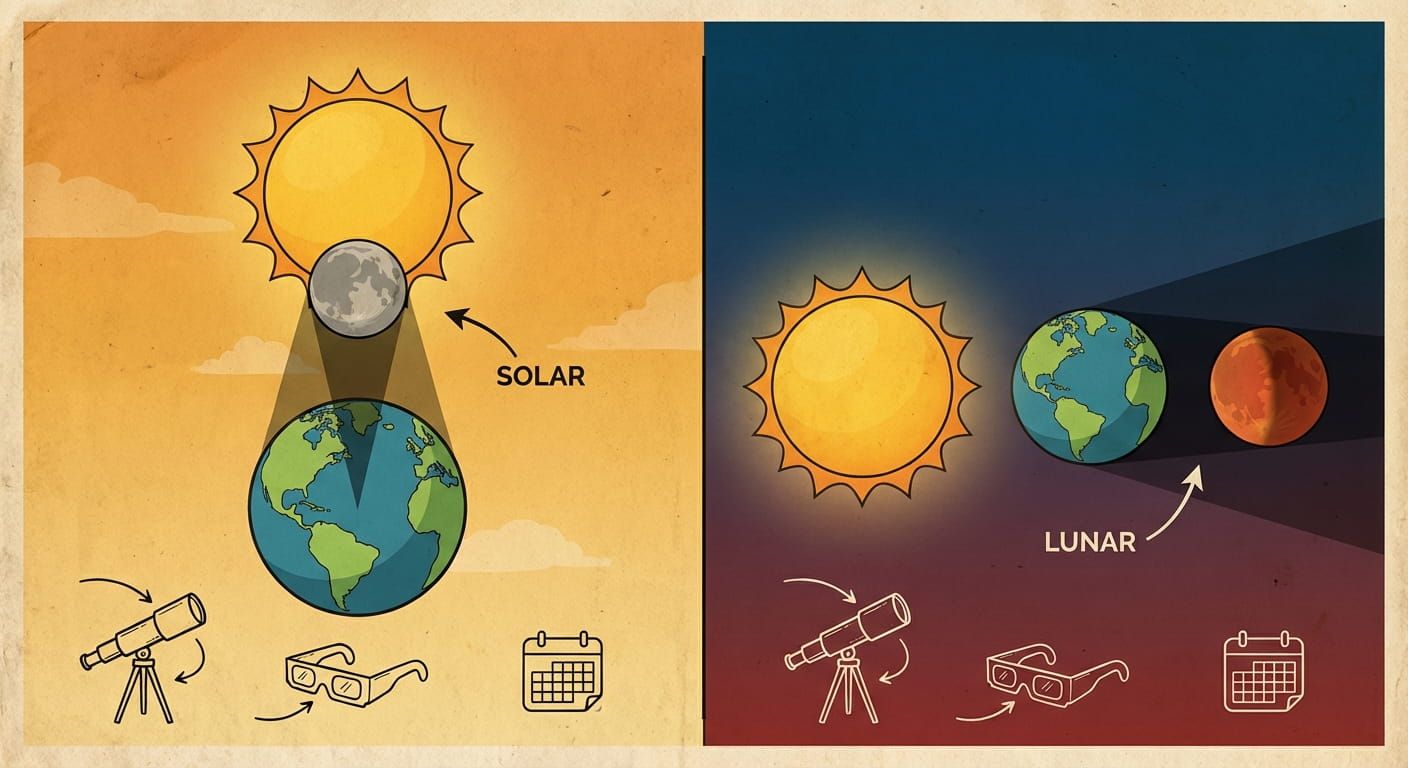
Equinoxes and solstices come from Earth’s tilt and its path around the Sun. Eclipses come from the alignment of the Sun, Moon, and Earth. People mix them up because both are sky alignment stories and both show up in calendars.
Eclipses do not happen at every new Moon and full Moon because the Moon’s orbit is tilted relative to Earth’s orbital plane. If you want a clean explanation, the solar and lunar eclipse guide separates what must line up and what does not.
A reading friendly recap in simple points
Here are the ideas that tend to stick, especially when you connect them to your own city:
- Equinoxes and solstices are precise moments, not fuzzy seasonal days.
- The printed date changes because our calendar and Earth’s orbit do not align perfectly.
- Time zones can shift the local date even when the global moment is identical.
- Latitude decides how dramatic daylight changes feel in your daily schedule.
- Sunrise, sunset, twilight, and golden hour are where the astronomy becomes practical.
When the calendar date matters and when it does not
If you are scheduling a school project, a festival, or a family photo, the date matters mainly as a reference point. The bigger changes you feel happen across weeks. The days leading into the June solstice often bring steadily later sunsets in northern cities like London and Berlin. After the solstice, sunset times begin to creep earlier, even though it can take a while for your brain to notice.
If you are tracking the seasons in a place closer to the equator, the shifts are subtler. In Singapore, the main story is less about huge daylight swings and more about the timing of sunrise and sunset nudging across the year, plus the way cloud patterns and monsoon seasons shape the feeling of day length.
A calendar can tell you the date. Your sunrise and sunset times tell you how the season feels in your location.
Back to the sky, with better expectations
Equinoxes and solstices are reliable anchors in the year, but the date label is not the main point. The main point is the geometry of Earth’s tilt and the way that geometry reshapes daylight, morning routines, evening walks, and the color of the sky during twilight.
With a precise time service behind it, Time.you is a comfortable place to check those details without guesswork. Pick your city, compare it with a faraway one, and watch how the Sun’s schedule changes around each seasonal moment. The dates will make more sense, and the daily light will feel less mysterious.