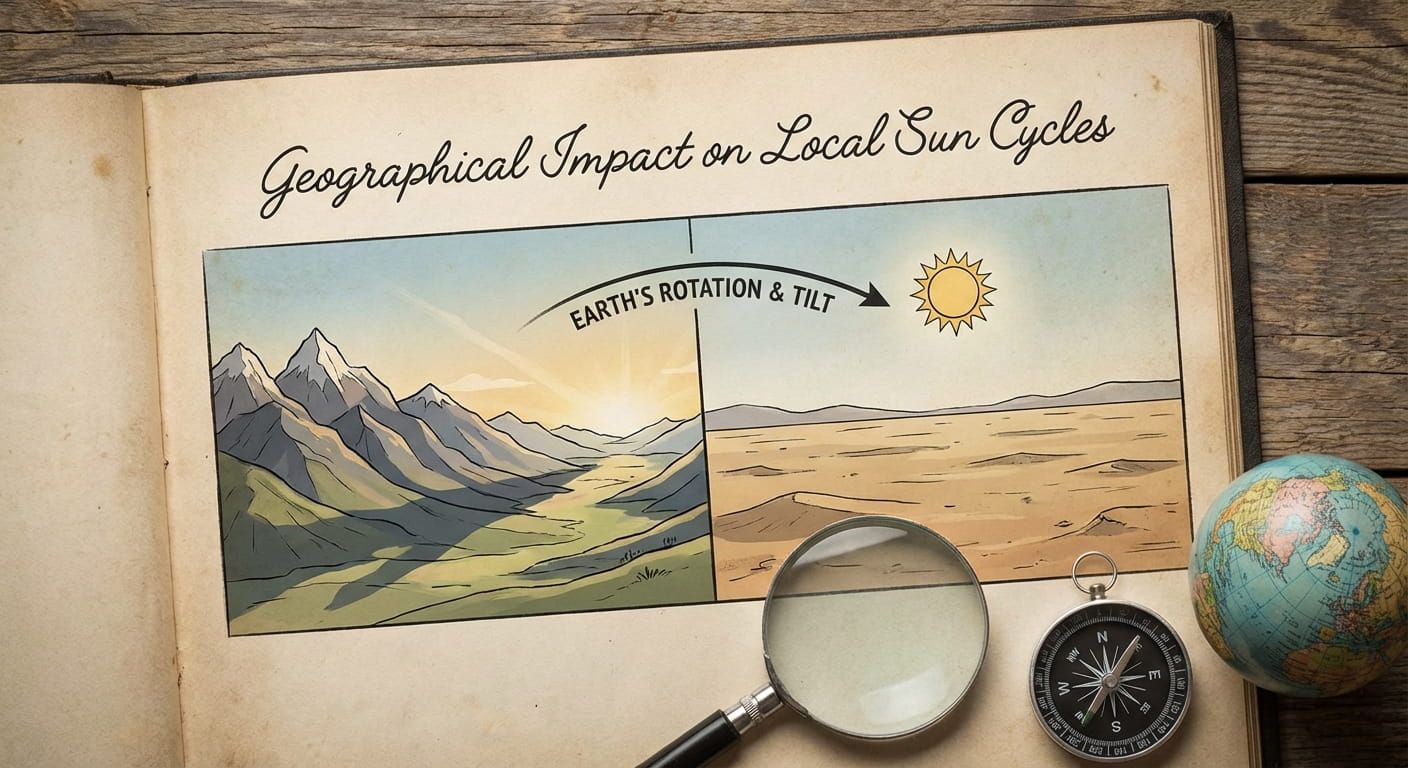
Stand on a beach at sunset and you can feel time changing. Not your watch, the light. In one place the sky takes its time fading, in another it flips from gold to night in a hurry. That difference is geography at work. Latitude, altitude, coastlines, and even local ground color all shape the daily solar rhythm people call the sun cycle: dawn, sunrise, solar noon, sunset, and twilight.
Summary
Local sun cycles change by place because Earth is tilted, round, and covered in wildly different landscapes. Latitude controls day length and twilight, longitude shifts solar noon, altitude changes when you see the sun, and coasts and mountains bend local weather and visibility. Time zones add a human layer that can push clock time away from sun time. Use global time reference to keep your clock aligned while geography shapes the light.
Sun cycles, in plain words
A sun cycle is the repeating pattern of light across a day. People often mean sunrise and sunset, yet the full pattern has a few more beats.
- Dawn, the early light before the sun appears.
- Sunrise, the moment the sun’s top edge becomes visible on the horizon.
- Solar noon, when the sun is highest in the sky for that location, this is not always 12:00 on the clock.
- Sunset, when the sun drops below the horizon.
- Twilight, the fading light after sunset, sometimes long and soft, sometimes brief.
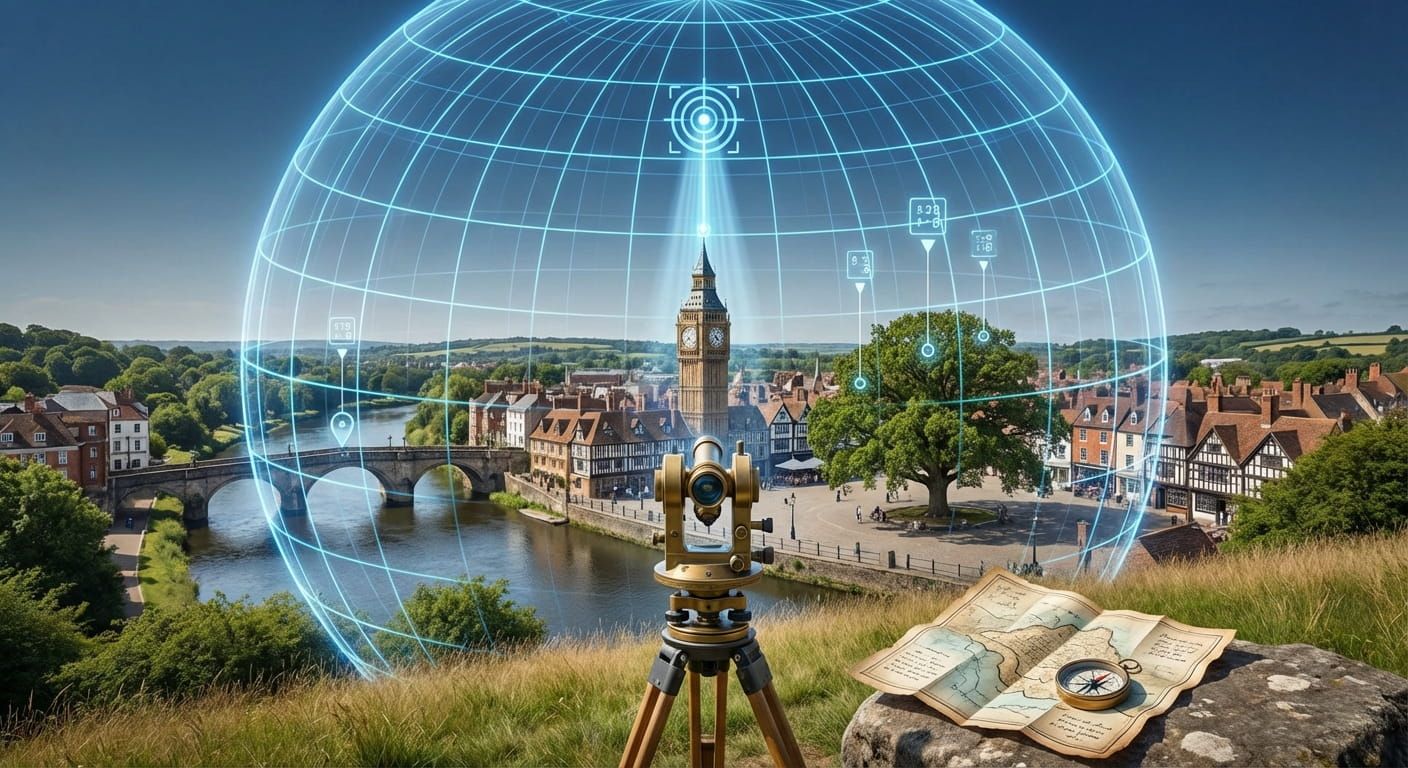
These events are about the sun’s position relative to your horizon. Your horizon is not a perfect circle. Hills, towers, trees, and mountains reshape it. That is why two neighborhoods in the same city can notice slightly different sunrise visibility, even though astronomical sunrise is calculated for a clean horizon.
A useful mental picture
Think of a sun cycle as a dance between Earth’s tilt and your local horizon. Tilt sets the big seasonal beat. Geography edits the details you actually see.
Latitude decides the shape of your day
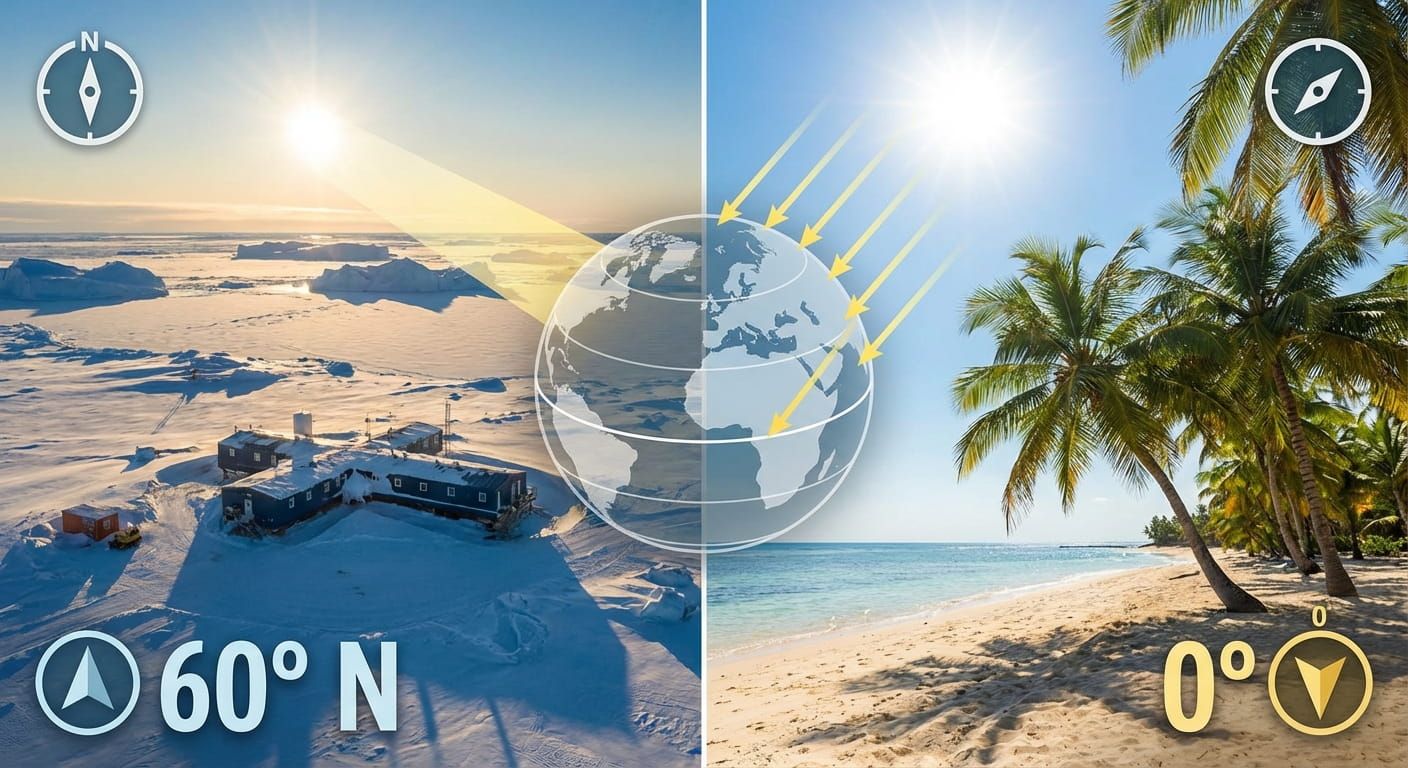
Latitude is the strongest geographic factor for sun cycles. It controls how high the sun climbs, how long it stays above the horizon, and how long twilight lasts. Near the equator, day length stays close to 12 hours year round. Move toward the poles and seasons stretch the day in one part of the year and compress it in another.
At higher latitudes, the sun travels a shallower arc across the sky. That makes dawn and dusk linger. It can feel like the sky is slowly turning a dimmer switch. At lower latitudes, the sun’s path is steeper. Light changes faster near sunrise and sunset.
This is why two cities at very different latitudes can share the same clock time zone yet feel like they live in different lighting worlds. Latitude sets the raw astronomical schedule that your clock then tries to label.
Longitude shifts solar noon, even inside one country
Longitude changes when the sun is at its highest point over your location. Solar noon happens when the sun crosses your local meridian. If you move east, solar noon arrives earlier. Move west, it arrives later.
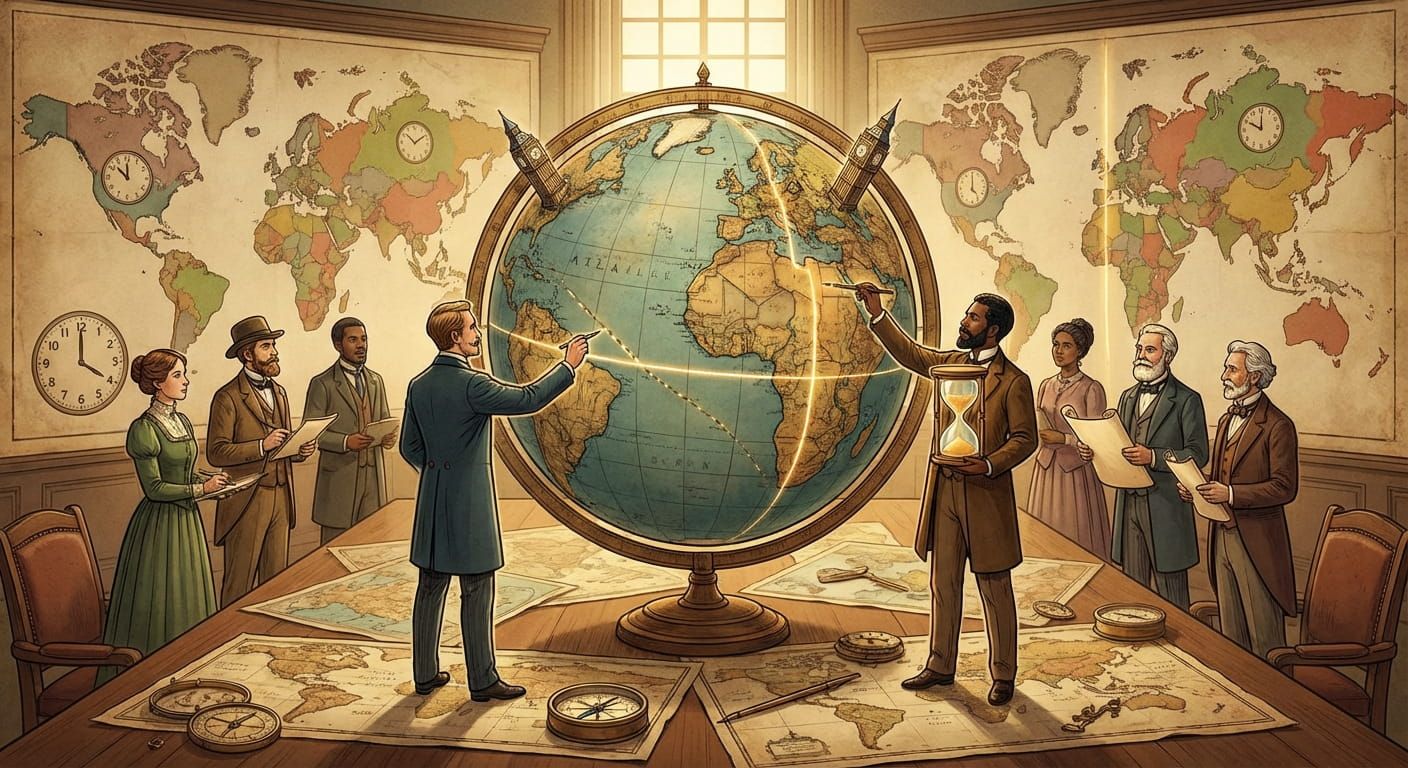
Time zones try to group longitudes into convenient slices, yet those slices are often political shapes. That means solar noon might be at 12:05 in one city, 12:35 in another city with the same clock time, and even later at the far edge of a large time zone region. This is also where the equation of time comes in, Earth’s orbital speed changes through the year, and that nudges solar noon by minutes even if you never move.
For a broader view of how places get grouped, the way global regions and geographic classifications are described can help you picture how location pages fit together and why region level browsing matters for time and light.
Altitude changes when you see the sun
Altitude does not move the sun. It moves your horizon. The higher you are, the farther your horizon reaches. That can make sunrise visible a bit earlier and sunset linger a bit longer compared with someone at sea level nearby, because your line of sight clears the curve of Earth sooner in the morning and later in the evening.
Altitude also changes air thickness. Thinner air at higher elevations can make the sun look sharper and the sky a deeper color. It can also make temperature drop quickly after sunset, which changes how the evening feels even if the clock time matches a lower valley.
Mountains, valleys, and urban skylines edit the horizon
In mountain regions, local sunrise can be delayed if a ridge blocks the first light. Sunset can arrive early if the sun drops behind terrain before it reaches the true horizon. People living in valleys often experience a shorter practical daylight window than an astronomy table suggests.
Cities do a similar thing with buildings. A tall skyline can steal the first minutes of sunrise for streets below and hold the last light off the pavement at sunset. Rooftops can have a very different sun cycle than ground level parks a few blocks away.
This difference matters for everyday routines, commuting safety, outdoor sports, and photography planning. Astronomical times are still the baseline, yet the lived experience is shaped by what blocks your sightline.
Coasts and big lakes soften the daily swing
Water stores heat. Land heats and cools faster. Along coasts and near large lakes, that difference feeds local breezes and clouds that can soften or sharpen how sunrise and sunset look.
- Morning marine layers can hide sunrise behind haze even if the timing is correct.
- Sea breezes can clear inland skies later in the day, improving late afternoon light.
- Humidity near water can make twilight glow longer with more scattering.
The key idea is that a sun cycle has two layers: the astronomical schedule and the visibility layer. Geography drives both, yet in different ways. Latitude and longitude set the schedule, coastlines and terrain shape what your eyes actually get.
Deserts, forests, and snowfields change the color of time
Surface type changes how light behaves. Snow reflects light strongly, brightening twilight and making late afternoon feel more luminous. Dense forests absorb light and can make dusk feel earlier under the canopy. Deserts can give intense, crisp sunsets with long sightlines, while humid tropical areas can create softer gradients and more pastel skies.
Even ground color matters. Light sand, pale rock, and snow bounce light back up, lifting shadows. Dark soil and dense vegetation deepen shadows. This changes how people perceive the same sun angle.
The seasonal engine behind it all
Earth’s tilt is the reason seasons exist. As Earth orbits the sun, the tilt makes one hemisphere lean toward the sun and then away. That changes day length and sun height through the year.
Geography decides how you feel the same season. A high latitude coastal city can have very long summer evenings with cool air, while an inland city at the same latitude can have the same long evenings with warmer air and clearer skies. Same tilt, different place, different lived cycle.
Time zones add a human layer on top of sun time
Clock time is a social agreement. Sun time is an astronomical fact. The two line up best near the center of a time zone. They drift apart near the edges. This is why a 7:30 sunrise in one location might feel perfectly normal, and in another place with the same clock time it feels oddly late or oddly early.
Countries draw boundaries for many reasons, including geography, trade, history, and governance. Reading about how nations set boundaries for time makes it easier to see why clock time sometimes separates from the natural sun cycle you expect.
Daylight saving rules, where used, add another shift by season. That does not change the sun, it changes the label on your day. The sun cycle stays tied to location and orbit, while the clock steps forward or back.
After the introduction, a quiz to test your sun sense
Mini quiz, geography and local sun cycles
Pick an answer, then check your score. No sign up, no fuss.
A map of causes, from biggest to smallest
There are many influences on local sun cycles. Some are huge and predictable. Others are small and personal. The list below ranks them in a way that matches everyday experience.
- Latitude, shapes day length and twilight length across the year.
- Season, changes the sun’s path because of Earth’s tilt.
- Longitude and time zone choice, shifts clock labels compared with sun time.
- Terrain, mountains, valleys, hills, reshapes the visible horizon.
- Altitude, lifts your horizon and changes air clarity.
- Proximity to water, influences haze, clouds, and how sunrise and sunset look.
- Local land cover, snow, forest, desert, affects brightness and color.
- Urban form, buildings and street canyons adjust what you can see.
Geography scenarios
| Geography setting | Typical sun cycle feel | What to watch for |
|---|---|---|
| Equatorial city | Day length stays close to steady, sunrise and sunset feel fast. | Twilight can be short, plan outdoor tasks with tight margins. |
| High latitude coastal city | Long summer evenings, long winter darkness, extended twilight. | Cloud layers can hide the sun even during long daylight windows. |
| Mountain valley town | Practical daylight feels shorter than published times. | Ridges delay first light and cut off last light earlier. |
| High elevation plateau | Crisp sun, clear shadows, strong contrast, big temperature drops after sunset. | Earlier visible sunrise and later visible sunset compared with nearby lowlands. |
| Humid coastal plain | Soft gradients at dawn and dusk, frequent haze. | Morning visibility can lag even when sunrise time is correct. |
| Snow covered winter landscape | Twilight appears brighter and longer, shadows look lighter. | Reflected light can shift perceived “night” later than expected. |
How Time.you location pages fit into real sun cycles
Location pages work best when they match how people actually search: by city, country, region, and then the details. That is why a city and country hub acts like an umbrella. It helps readers move from a general understanding into a specific place where they live, travel, study, or call family.
A reliable time service also matters because many sun cycle questions start with a clock question. What time is sunrise in my city. What time will golden hour start. How far apart are two places in current local time. Time.you focuses on precise time by time zone, city, and country, with atomic clock synchronization for accurate offsets and current local time.
For example, checking local time while thinking about sun patterns in Singapore can be a neat contrast case. Near equatorial latitudes, day length stays fairly steady, yet cloud build up and coastal humidity can change how sunrise and sunset look from day to day.
Questions people ask, with clear answers
Why does my sunrise time shift through the year?
Earth’s tilt changes the sun’s path across your sky by season. In many places the shift is large, in some it is subtle, yet it exists almost everywhere.
Why does my friend in the same time zone have different sun times?
They might be east or west of you in the zone, changing solar noon relative to the clock. Their local horizon might also be different, especially with mountains or tall buildings.
Why do some places have very long twilight?
High latitude locations often have a shallow sun angle near the horizon. The sun can stay just below the horizon for a long time, feeding extended twilight.
Can altitude really change sunrise and sunset?
It can change when you see the sun because your horizon reaches farther. The shift is usually minutes, not hours, yet it is noticeable in some settings.
Tips for using sun cycle knowledge in daily life
- Plan outdoor time by light, not just clock time. Terrain and skyline can shift visibility.
- Use solar noon as a reality check. If shadows feel shortest at 12:40, your clock is not “wrong”, it is your time zone and longitude doing their job.
- Expect bigger seasonal swings as latitude rises. Summer and winter can feel like different planets.
- In coastal places, track clouds as much as time. The schedule can be accurate while the sun stays hidden.
A tiny habit that helps
If you travel often, note the first sunset you see in a new place. Your brain learns the local cycle fast, and jet lag feels less confusing once your eyes accept the new rhythm.
How to talk about sun cycles without mixing up terms
People use sunrise and dawn interchangeably. They are related, yet not the same. Dawn is a phase. Sunrise is a moment. Twilight after sunset also has phases. Astronomers sometimes use three twilight bands based on sun angle below the horizon, but most daily planning can treat twilight as one extended soft light period.
Solar noon is another common mix up. It is the moment the sun is highest, not the moment your clock says noon. In a place far from the center of its time zone, solar noon can land far from 12:00.
A location hub strategy that matches real curiosity
A pillar about geography and locations works because the questions are layered:
- People start broad, by region or country.
- Then they narrow to a city.
- Then they ask about a specific date and a specific time.
- Then they want context, is this normal for this place.
That path mirrors how sun cycles are experienced. The big drivers are global, tilt and orbit. The details are local, horizon, terrain, air, water, and urban shape. A city and country hub makes it easy to move between those layers without losing the thread.
Light that matches the place you stand
Sun cycles look universal until you pay attention. Geography then steps forward as the quiet director. Latitude stretches and compresses your day. Longitude shifts solar noon. Altitude lifts your horizon. Mountains and skylines block or reveal the sun. Coasts paint the edges of the day with haze or clarity. Time zones place a human label on top of it all. Once you notice these layers, a location is no longer just a dot on a map, it is a unique rhythm of light you can predict, plan for, and enjoy.