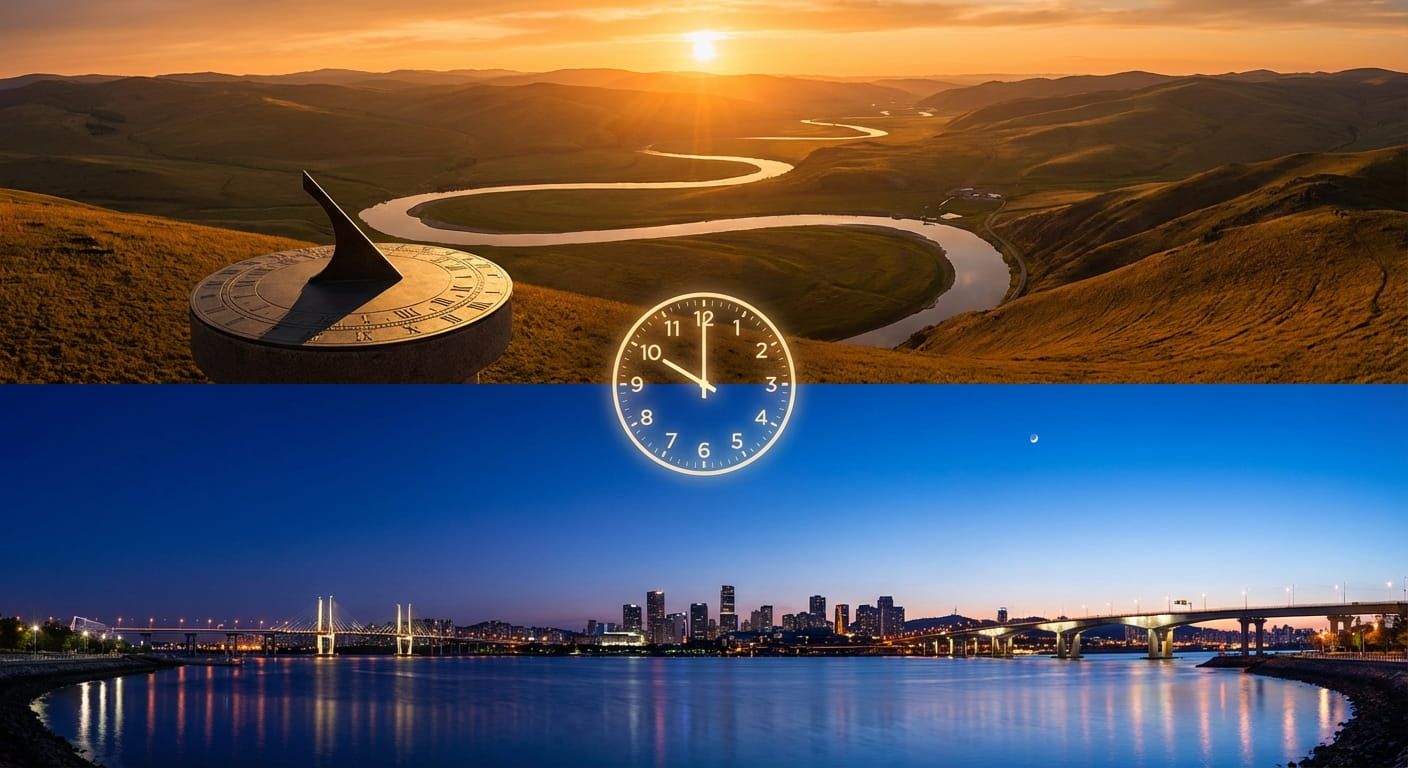
The best photos and the calmest walks often happen in the light that feels almost unreal. That warm glow near sunset, the soft cool tones before sunrise, it is not luck, it is timing. Golden hour and blue hour are predictable once you know what to look for, and how they shift with latitude, season, terrain, and weather.
Key takeaway
Golden hour is the warm, low angle sunlight near sunrise and sunset, while blue hour is the cooler, softer light during twilight when the sun sits below the horizon. Their exact timing changes by location and date, and can be read from sunrise, sunset, and twilight phases. Use local solar events, not clock habits, to plan shoots, commutes, and outdoor time, and adjust for mountains, buildings, haze, and daylight saving shifts.
Golden hour and blue hour, what they are in plain terms
Golden hour is not a single fixed hour. It is a window of low sun angles that creates warmer tones, longer shadows, and gentler contrast. Photographers love it for portraits, landscapes, and street scenes. Runners love it because the heat is often lower and the light feels softer.
Blue hour is the quieter sibling. It happens during twilight, when the sun is below the horizon and the sky takes on a deep, even blue. City lights balance nicely with the sky, and water reflections look cleaner. You will usually see blue hour right before sunrise and right after sunset, depending on local conditions.
Practical rule: Golden hour is about the sun being low above the horizon. Blue hour is about the sun being below the horizon, while there is still enough scattered light to paint the sky.
A short and fun timing quiz to test your instincts
Mini quiz
1) In Singapore, you want a warm portrait look with gentle shadows. Which window is the better starting point?
2) You want a skyline shot in Tokyo where building lights match the sky brightness. Which is more likely?
3) You are in Norway in summer. What is most true about these windows?
How timing really works, sunrise and sunset are only the anchors
Many people try to time golden hour by habit, like always going out at 6 pm. That breaks fast once you travel. Timing is tied to the sun, not your routine. The key anchors are sunrise and sunset, then the twilight phases around them.
If you want an easy way to ground your plan, check sunrise for your area, then check sunset for the same date. You can do that directly through the sunrise and sunset sections, and then refine from there using twilight definitions. For general checking, you can start at sunrise and sunset, then narrow to a country page when you need local detail.
Twilight phases, the secret map for blue hour
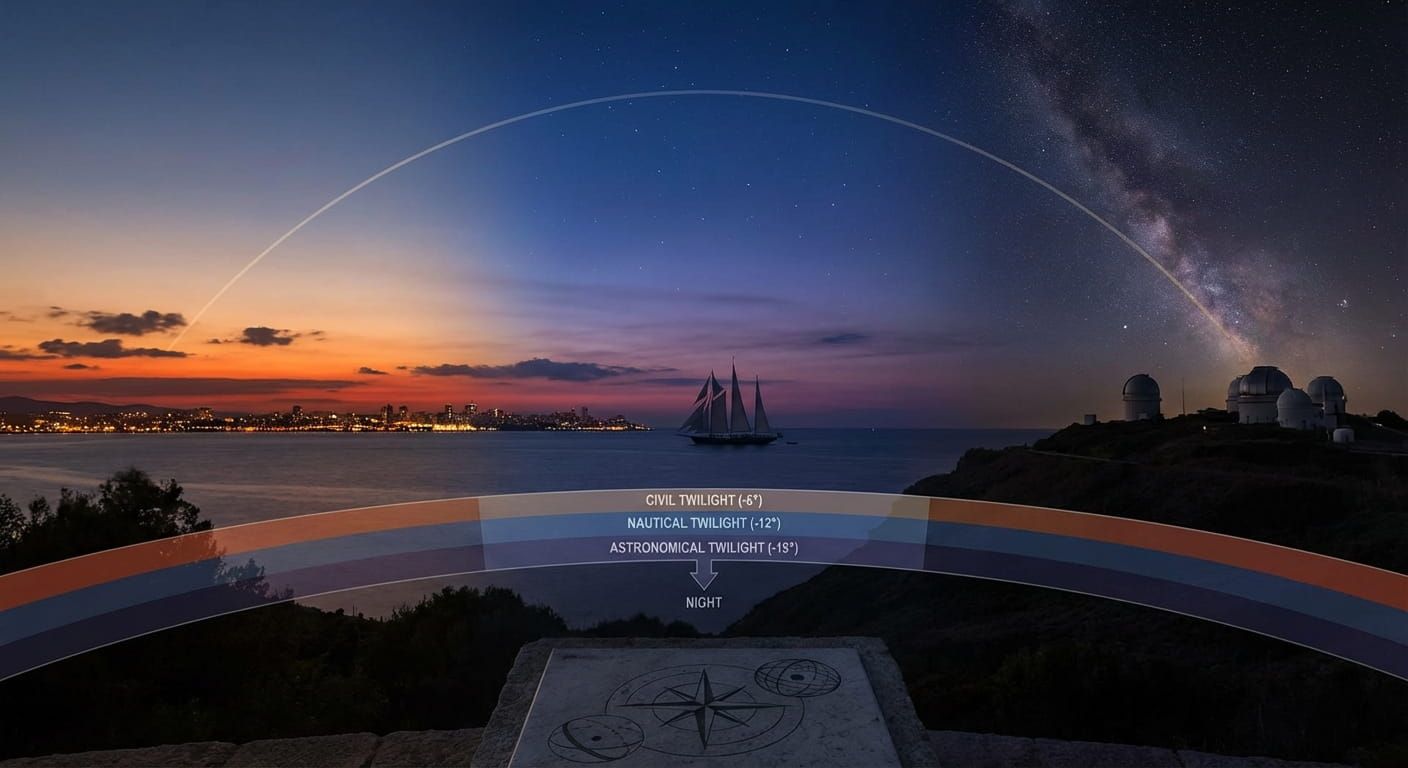
Blue hour sits inside twilight. Twilight is the period after the sun sets and before it gets fully dark, and the matching period before sunrise. It is divided into civil, nautical, and astronomical phases, based on how far the sun is below the horizon.
Civil twilight is the brightest. You can still see the horizon clearly, and outdoor activities often feel comfortable. Nautical twilight is darker and the sky takes on a richer tone. Astronomical twilight is the last stretch before true night, with the faintest remaining sunlight.
If you want the cleanest structure for planning, use the twilight guide here: civil nautical astronomical twilight guide. It helps you pin down where blue hour often feels strongest in real life, even when the exact color shifts with humidity and clouds.
Golden hour is about sun angle, not a fixed clock window
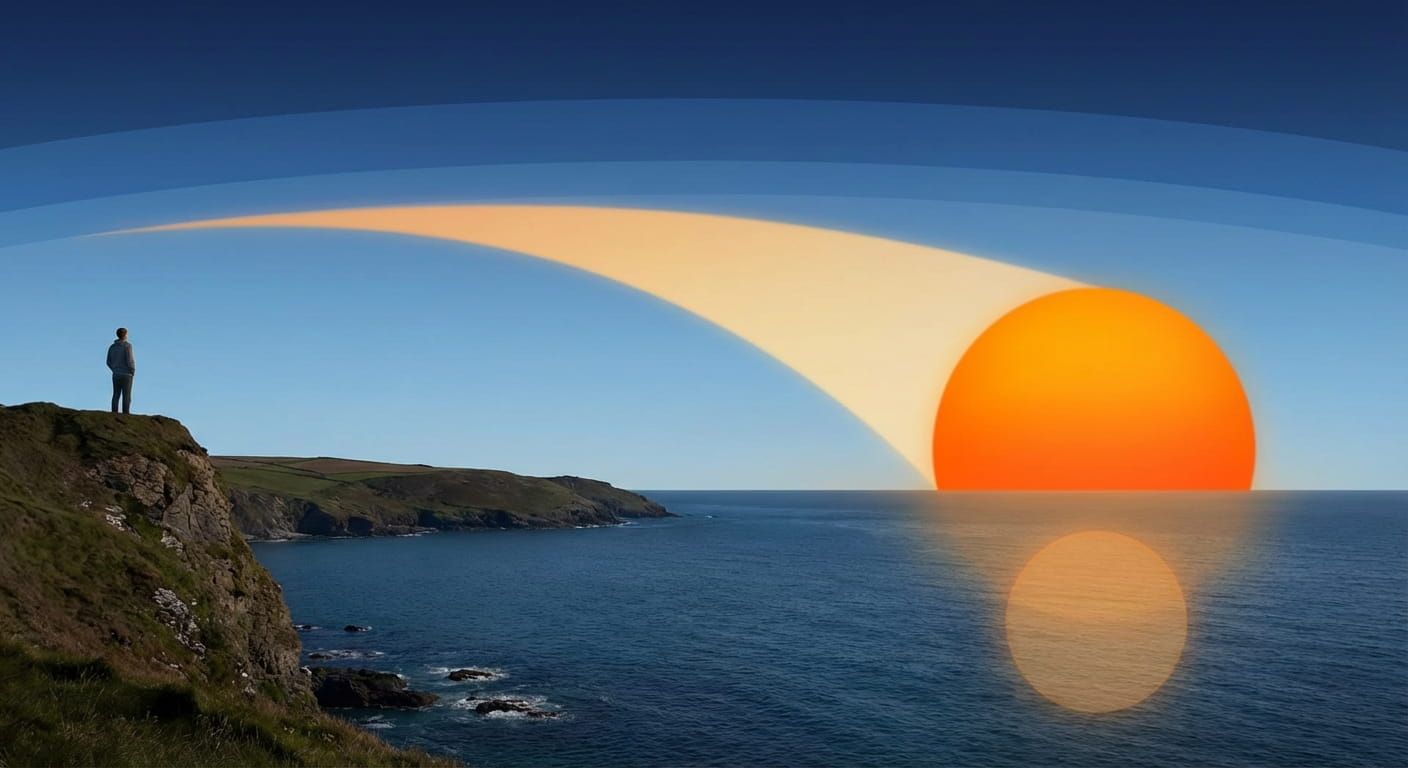
Golden hour happens when the sun is low above the horizon. The lower the sun, the longer the shadows and the warmer the scene tends to feel. The exact warmth depends on air quality and moisture. A hazy day can make the sun look warmer for longer. A clear winter day can look crisp, less orange, and still feel golden due to soft contrast.
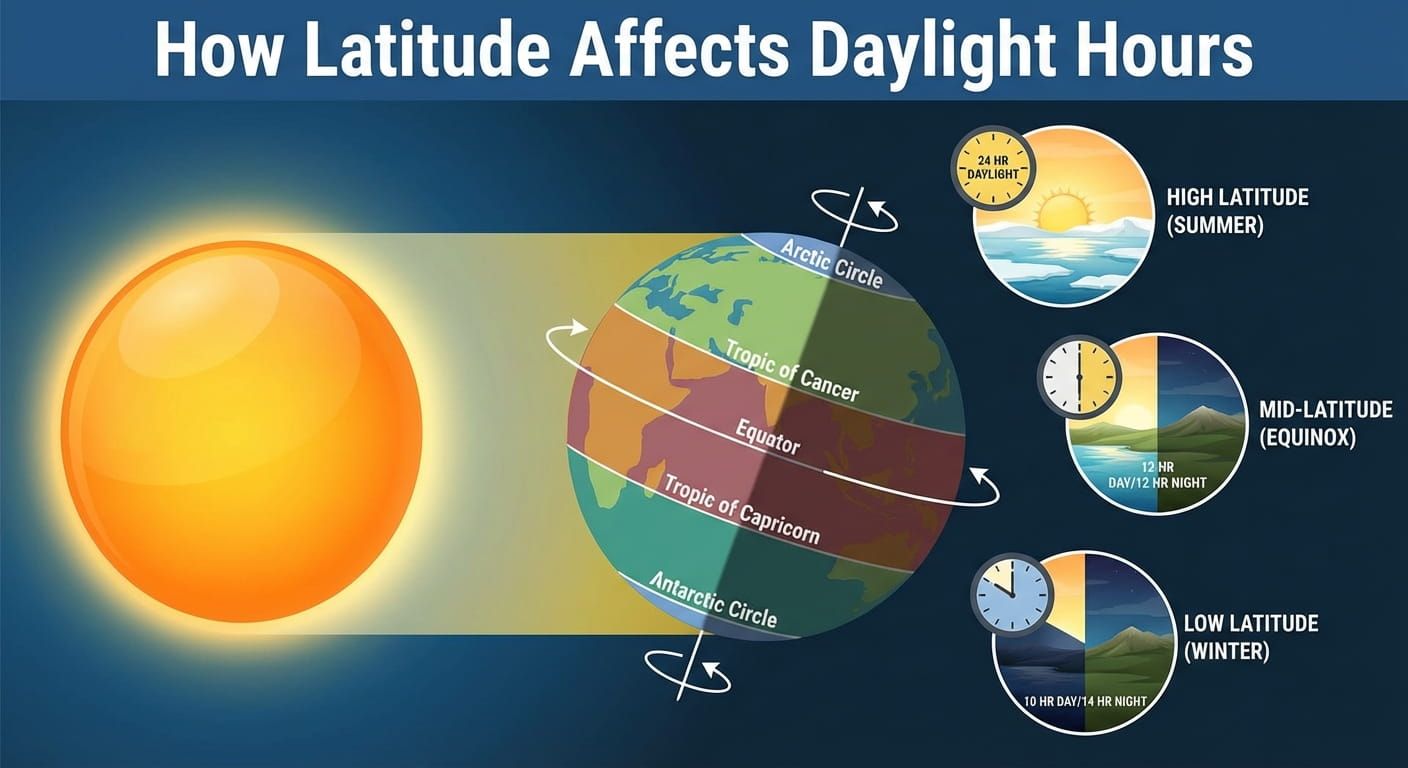
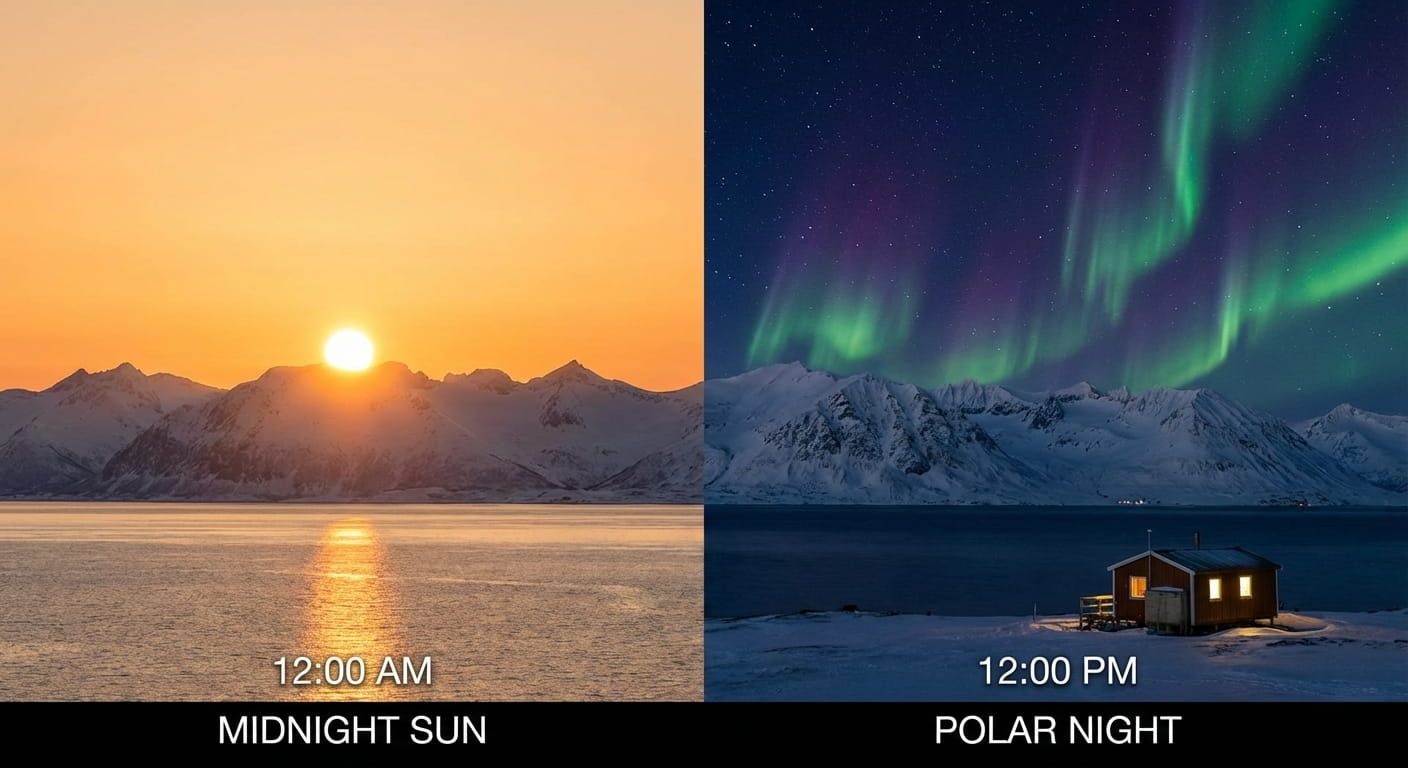
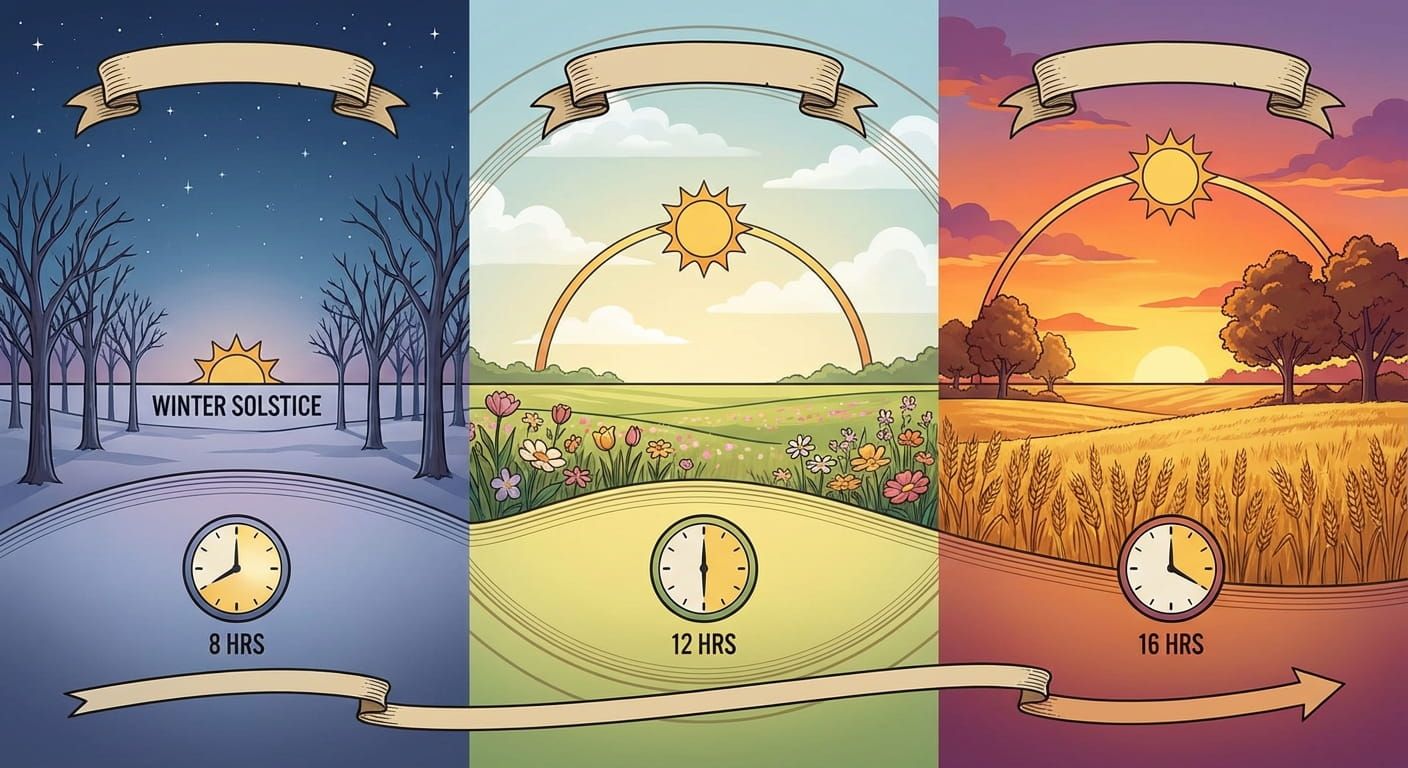
In places near the equator, like Singapore and parts of Indonesia, sunrise and sunset do not swing as wildly through the year as they do in London or Stockholm. That means your golden windows can feel more consistent week to week. In higher latitude locations, the season can stretch or shrink the windows a lot. In Norway, Iceland, or Sweden, the light transitions can be long in summer and very compressed in winter. In extreme cases, you can get a long twilight glow without a normal sunset, or a short daytime window with a fast drop into darkness.
Solar noon helps you predict the personality of the day
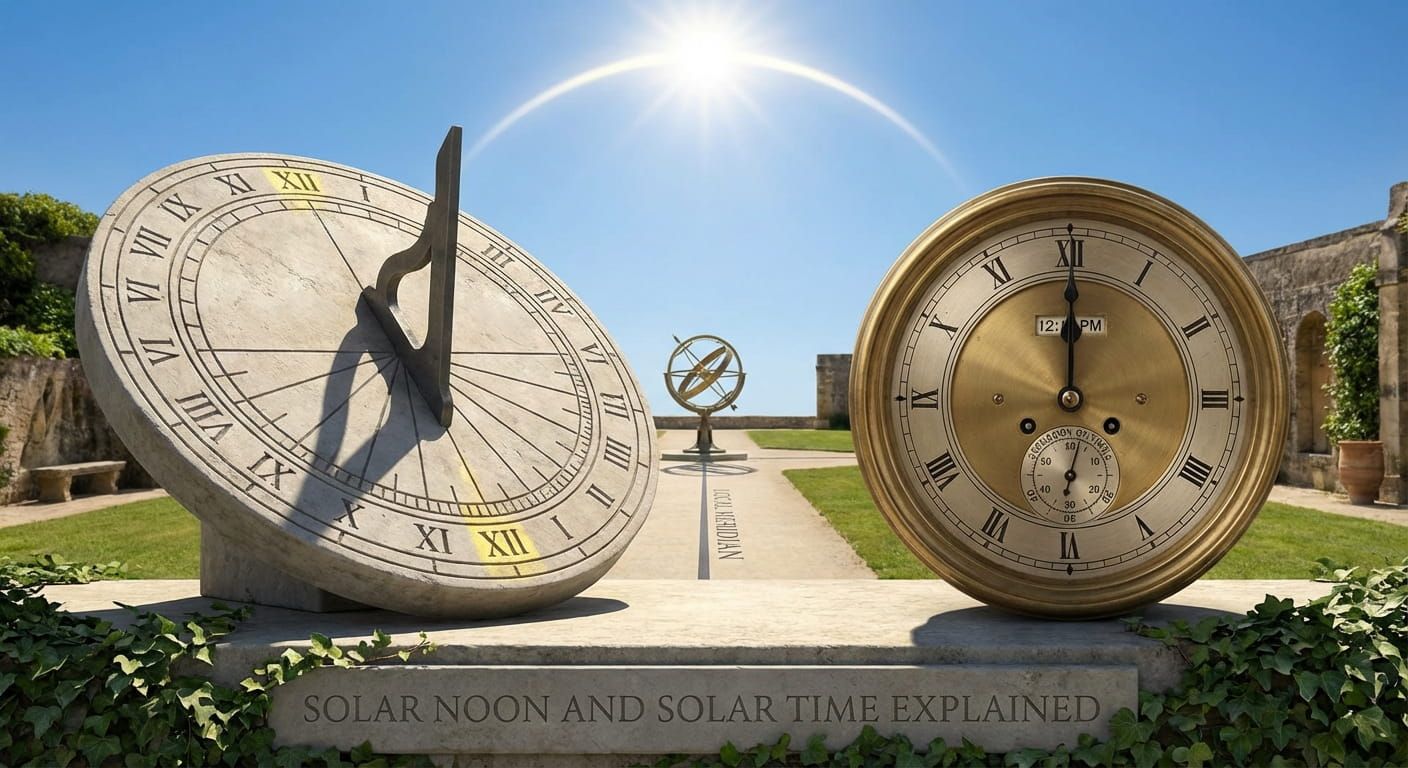
Solar noon is when the sun reaches its highest point in the sky for your location. It is not always at 12:00 on the clock. Time zones, daylight saving, and the equation of time can shift it. Knowing solar noon helps you understand when shadows are shortest, and how quickly the sun is moving through the sky that day.
If you are scheduling a shoot or a hike, solar noon tells you where harsh overhead light will peak. It also helps you estimate how steep the sun angle is during golden hour. A day with a very high solar noon sun angle can make golden tones feel shorter, while a day with a lower solar arc can stretch the gentle angles. If you want to see how solar events tie together, read solar noon solar time to connect clock time and the sun’s real position.
Location examples that show why timing changes
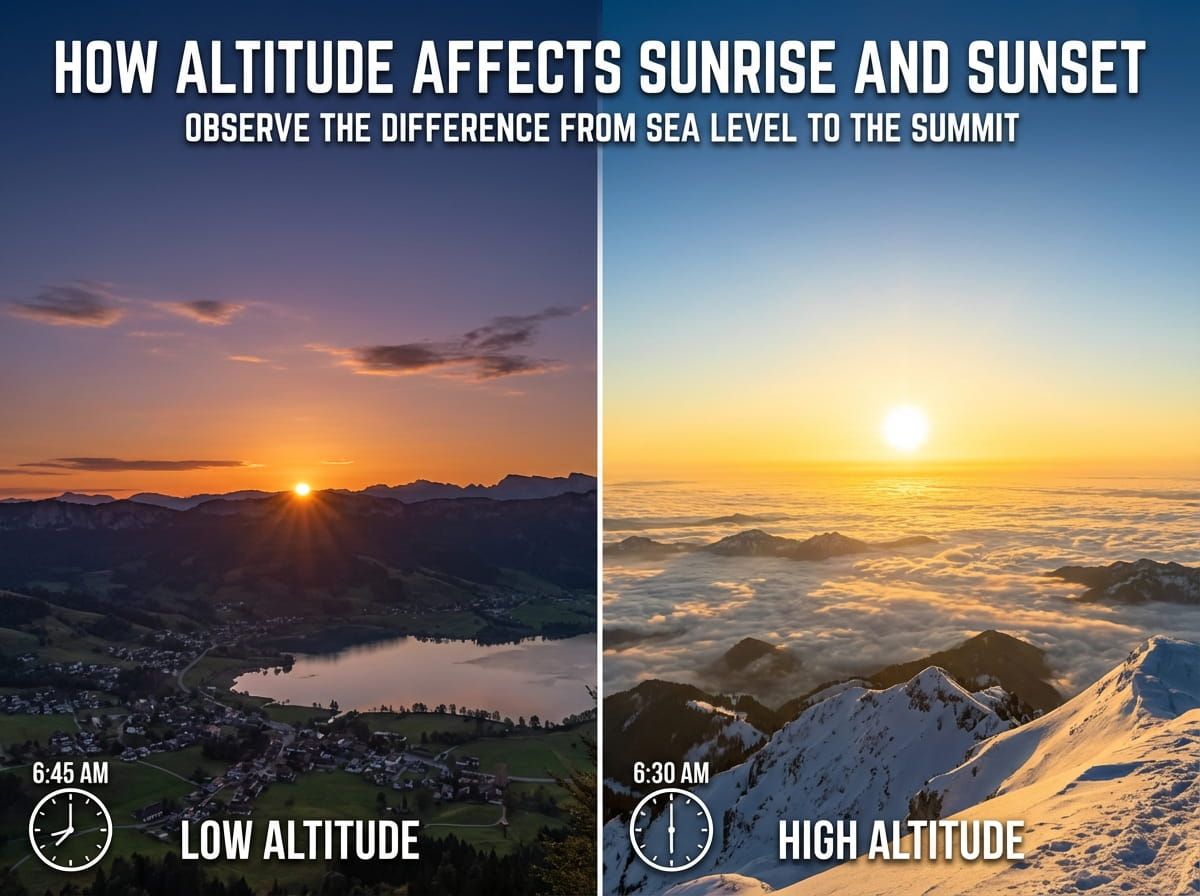
Timing feels different across the world, even on the same date. Latitude is the big driver, but local geography also matters. Mountains can delay first light. Tall buildings can block low sun. Coastal haze can soften tones. Snow can bounce light back into faces and lift shadow detail.
- Singapore, close to the equator, steadier sunrise and sunset times across the year, golden and blue windows are dependable.
- Japan, mid latitudes, bigger seasonal swing, blue hour in winter can feel crisp and clean, summer can bring haze and softer contrast.
- United States, wide latitude range, Miami and Seattle behave very differently, altitude and dry air in the southwest can create dramatic golden light.
- Norway, high latitudes, very long twilight in parts of summer, and very short days in winter, the windows can feel stretched or compressed.
If you want a simple starting point for a specific region, use a country page and then narrow to your city. For Singapore, this is a clean reference: Singapore. For Japan, this page gives the same structure: Japan. For broader planning across multiple states and time zones, you can start at United States and narrow from there.
A clear checklist you can use before you step outside
Use this checklist when you want results without guesswork. It keeps you focused on the sun and sky instead of habits.
- Pick your location, city matters more than country when you are near borders or mountains.
- Check sunrise and sunset for the date you plan to go out.
- Check twilight phase times if blue hour is your goal.
- Look at weather, cloud cover can create dramatic color or completely flatten it.
- Arrive early, the best light often starts before you expect, and setup takes time.
- Stay a little longer, blue hour can peak after the sun is already gone.
Note: If you are shooting in a dense city, treat sunrise and sunset as the solar event, then add a buffer for buildings. The sun can be up while your street is still in shade.
Table of timing cues, what to expect in each phase
This table focuses on what you see and what it is good for. Times vary by place and season, but the visual cues stay consistent.
| Phase | What it looks like | Great for | Watch out for |
|---|---|---|---|
| Pre sunrise twilight | Cool sky tones, gentle contrast | Cityscapes, calm portraits, reflections | Tripod needs, low light blur |
| Early golden light | Warm highlights, long shadows | Portraits, street scenes, landscapes | Fast changing exposure |
| Midday | Harder shadows, stronger contrast | Architecture, patterns, high energy scenes | Squinting faces, harsh highlights |
| Late golden light | Warm glow, flattering skin tones | Weddings, family photos, travel shots | Crowds near viewpoints |
| Post sunset twilight | Blue sky balance with city lights | Skylines, bridges, water reflections | Light drops quickly, plan settings |
One simple list of wins that golden and blue light can give you
Here is a clean set of reasons people chase these windows. Each one maps to something you can see right away.
- Shadows feel longer, which adds depth and shape.
- Skin and stone often look softer, less harsh highlights.
- Skies hold more color, especially during twilight.
- City lights become usable without a black sky.
- Heat is often lower near day edges, better for outdoor plans.
- Scenes feel calmer, fewer people out early and later.
How to estimate the windows without memorizing formulas
You do not need complex astronomy to plan well. In most locations, golden hour is roughly the period from low sun after sunrise to when the sun rises higher, and the matching period before sunset as the sun drops. Blue hour is the portion of twilight where the sky is deep but still bright enough to balance lights.
What matters more than a universal number is how you anchor your plan to events. Sunrise and sunset give you the edges. Twilight phases give you the structure for blue hour. Solar noon gives you a sense of the day’s arc. Once you use those anchors a few times, you will feel the rhythm in your body, not just on a screen.
Common timing mistakes, and how to avoid them
Even careful planners get tripped up by details. These are the issues that show up most often.
- Mixing clock time with solar time, your watch might say one thing, the sun might behave differently. Use local solar events as the reference.
- Ignoring obstacles, hills, towers, and high rises can block low sun and delay direct light.
- Arriving right at sunset, setup takes time. The best color often starts before the moment of sunset.
- Leaving too early, blue hour often peaks after the sun drops, and the balance can be perfect for only a short stretch.
- Forgetting haze and clouds, they can extend warmth, or erase it. Build flexibility into your plan.
Using cities and countries to plan trips and shoots
Planning across countries gets easier once you stop thinking in fixed hours. A traveler moving from Bangkok to Dubai to London will see a big change in how long twilight feels. A photographer moving from Singapore to Stockholm will notice the seasons reshaping the windows even more. Latitude, season, and local terrain do the heavy lifting.
If you are planning a trip, start with the country page that matches your itinerary, then narrow down to the city once you have dates. This approach works for fast planning and avoids surprises when you cross time zones or coastlines.
Tip: In very bright cities, blue hour can feel longer because the sky does not need to be extremely bright to balance the streetlights. In darker rural areas, you may prefer the earlier part of twilight.
Lighting choices that match each window
You can get better results with small choices that fit the light. These apply whether you shoot with a phone or a dedicated camera.
- Golden window portraits, place your subject with the sun to the side, and use shade or a wall to soften contrast.
- Golden window landscapes, look for texture, fields, stone, and water love low sun.
- Blue window city scenes, include lights, signs, and reflections, and keep the horizon level for a calm feel.
- Blue window silhouettes, expose for the sky and let the subject fall into shape.
The final check, making your timing feel effortless
After a few days of paying attention, golden hour and blue hour stop feeling mysterious. They become part of your routine in a good way. Check sunrise and sunset for your place, use twilight phases for blue timing, and keep an eye on solar noon to understand the day’s arc. Then show up early, stay a bit longer, and let the sky do its work.