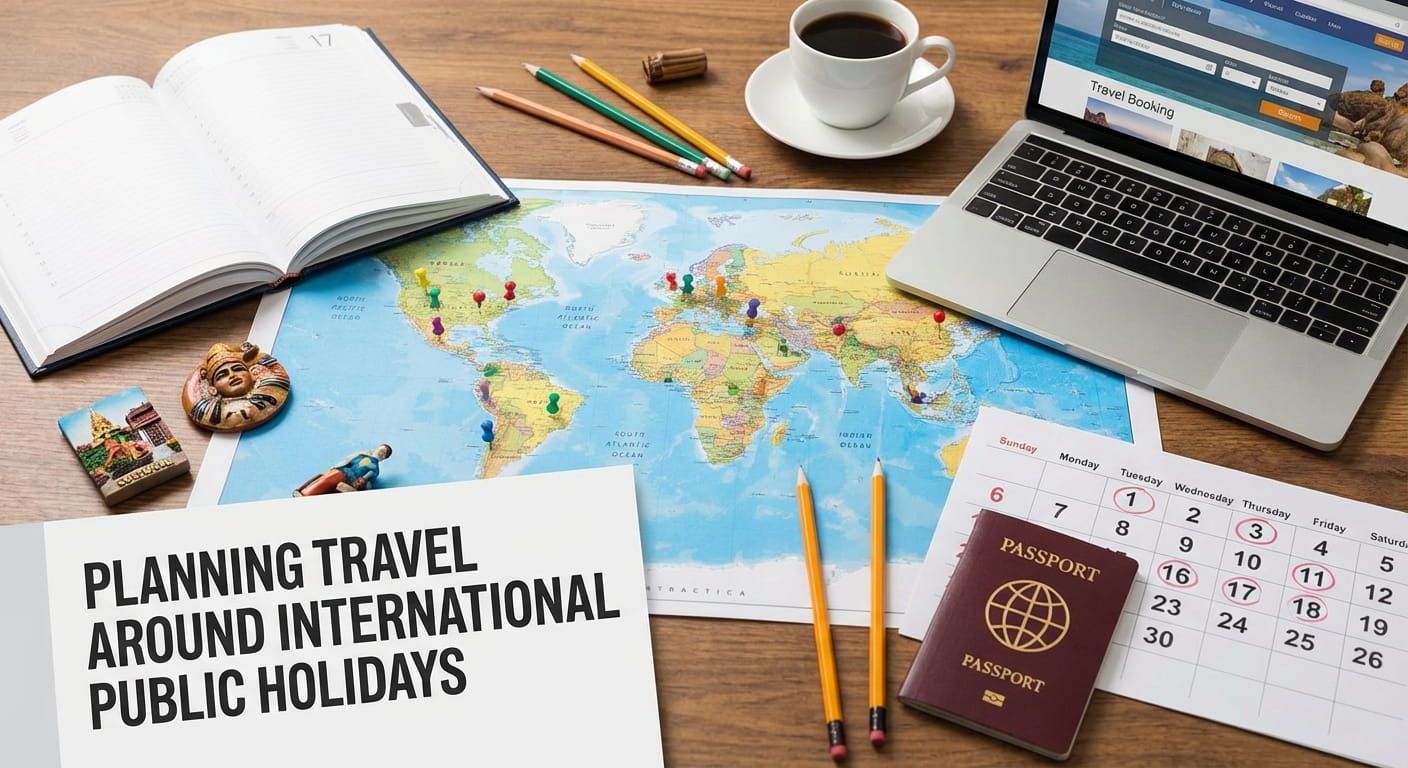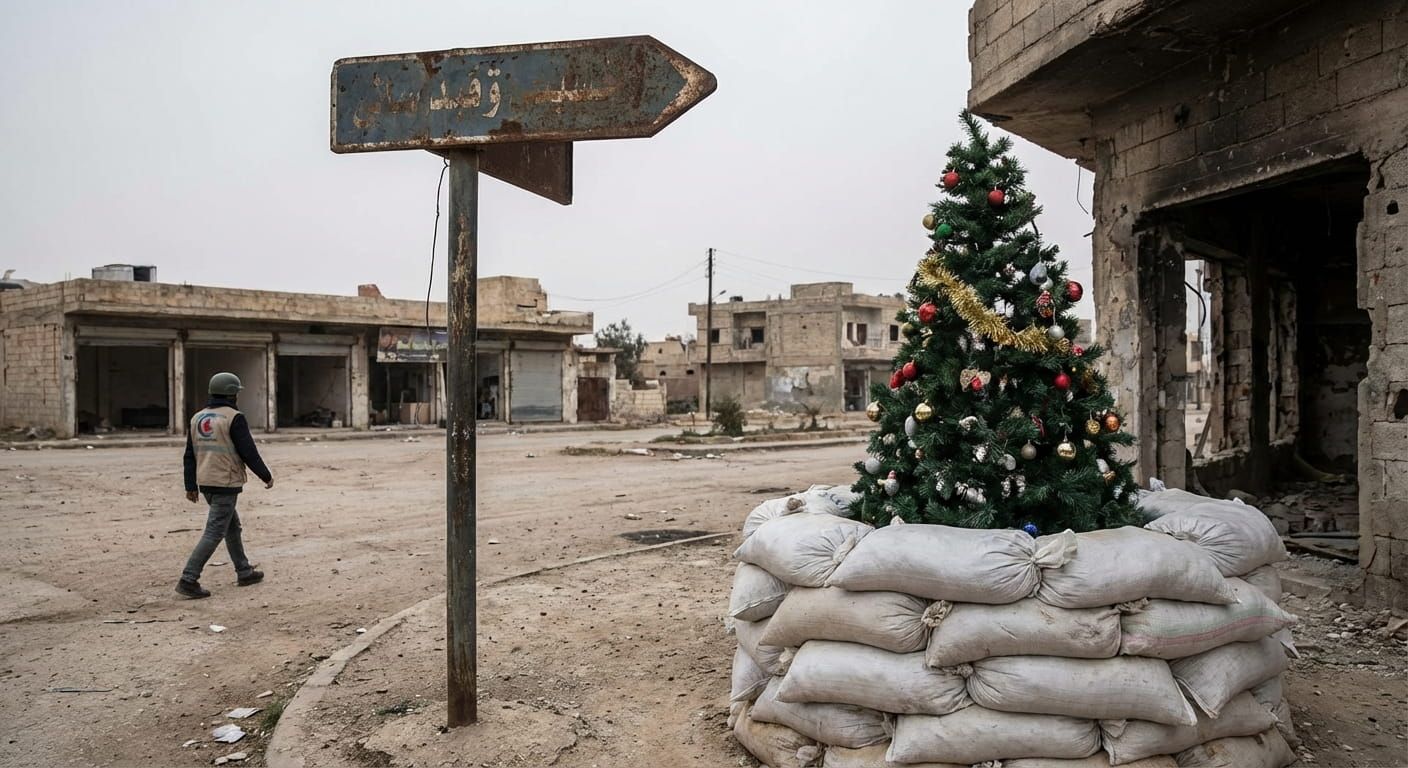
Holiday travel is usually about dates, daylight, and reservations. In an active conflict zone, it is also about airspace, curfews, and whether roads stay open long enough to reach a safe place before night. Right now, the wider region is also feeling shockwaves from the Iran, US, Israel war, with knock on effects across the GCC, including flight disruption and intermittent airspace restrictions. If you are planning any holiday movement in or near a conflict area, this guide is built to help you make calmer, safer choices.
Key takeaway
In conflict areas, public holidays are operational signals, not just cultural moments. Services often reduce, checkpoints can intensify, and crowd sites can become harder to avoid. Add the current Iran, US, Israel war impact on GCC air routes, and even short trips can turn into long delays. Anchor your plans to local time, confirm observed days, keep two routes, carry essentials, and know emergency numbers. If warnings rise, leaving early is a win.
How public holidays change the safety picture
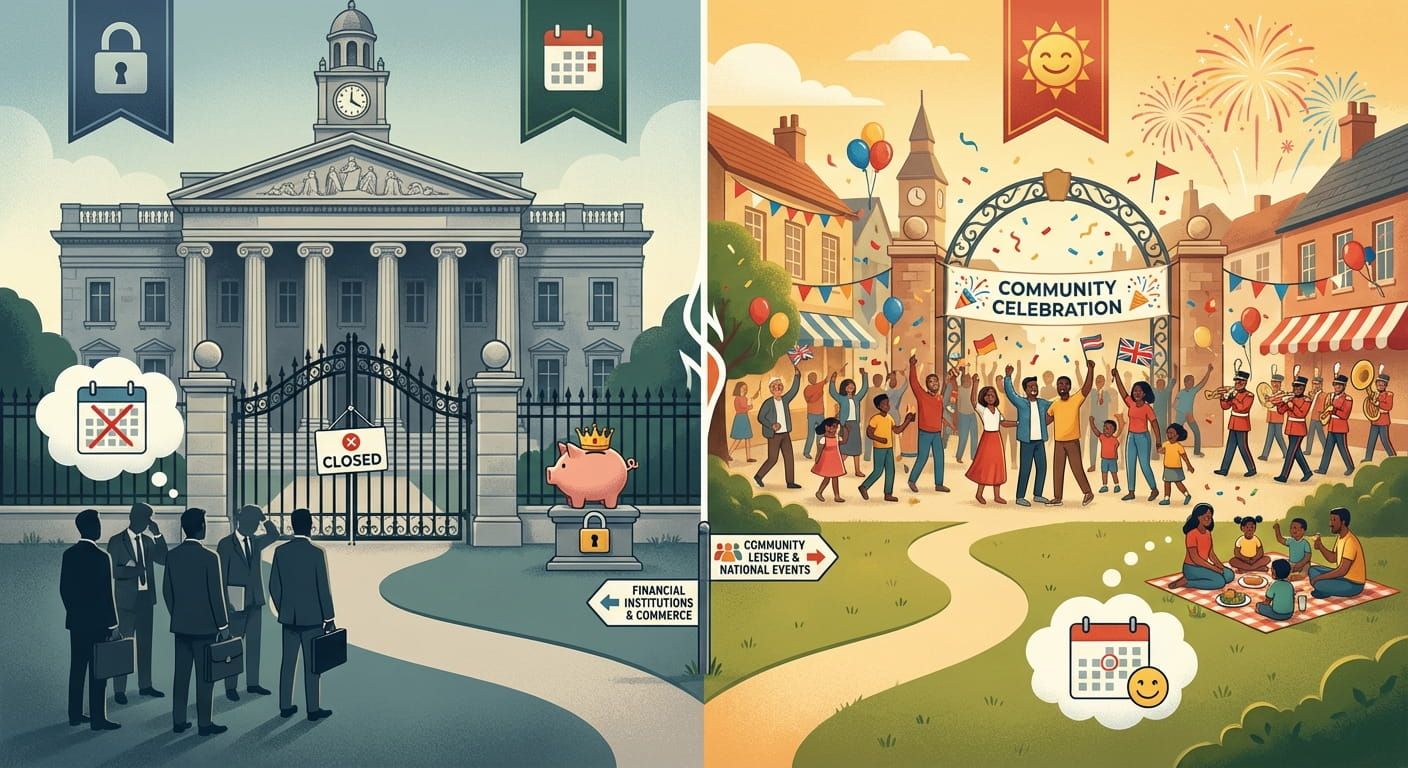
Public holidays reshape daily life. Banks close. Government counters pause. Transport schedules shift. In a stable place, that is mostly an inconvenience. In a conflict setting, those closures can remove your backup options. You might need a clinic, a cash withdrawal, a taxi desk, a border office, or a rebooking counter, and find that staffing is reduced or doors are shut.
Holidays also increase movement in predictable places. Central squares, major religious sites, and government buildings can draw crowds or ceremonies. Security presence can increase around those points. That can slow traffic and create more stops. Even if you never go near an event, your route might still pass through a tightened zone.
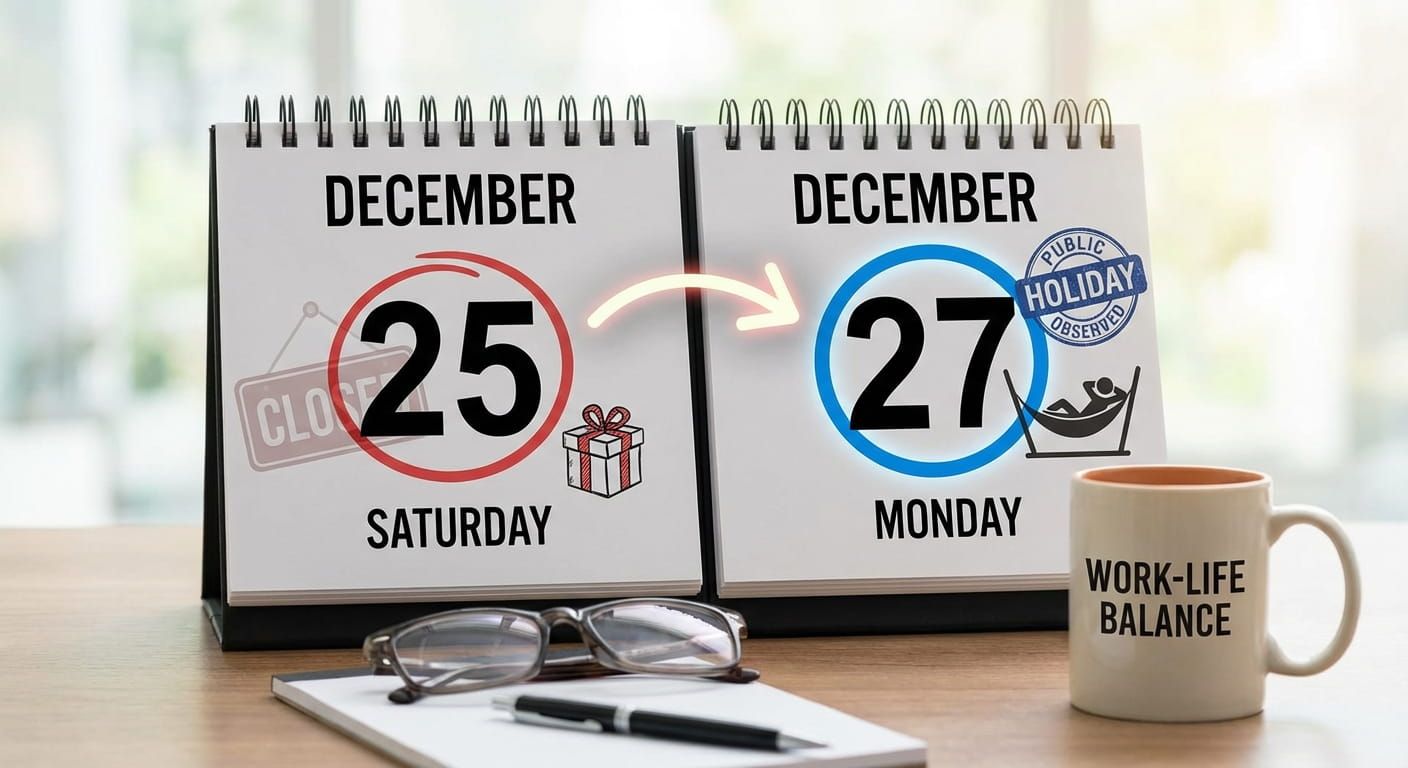
Observed days matter as much as official dates. If a holiday falls on a weekend, some countries move the day off to a weekday. That observed day is the one that changes opening hours and staffing levels. Understanding public holiday observed dates helps you avoid arriving on the wrong day for the services you need.
Regional spillover right now, Iran, US, Israel war and GCC disruptions
The current conflict involving Iran, the United States, and Israel has created wide disruption across Middle East flight routes and has affected major transit hubs in the Gulf. Reports describe broad airspace constraints, cancellations, and rerouting that can trap travelers in airports or force last minute changes to itineraries. That matters for holiday planning because a single missed connection can become a multi day delay, especially if flights resume in limited windows.
If your route touches hubs in Dubai, Abu Dhabi, Doha, or nearby corridors, treat every flight as changeable. Build time buffers, keep a flexible booking strategy, and have a plan for where you will stay if you cannot depart on schedule. Even if you are not in a conflict zone, the practical effect can feel similar, sudden rules, limited movement, and crowded terminals.
Reality check
Holiday calendars help you predict closures. Current regional conflict can remove predictability entirely. Plan as if you may need to stay longer than expected.
Time alignment, the detail that prevents avoidable trouble
Time errors are common, and conflict conditions punish them. A curfew might start at 8 pm local time. A checkpoint might stop processing at a set local hour. A hotel might only accept arrivals until a specific evening time. If you are calculating from your home time or from a transit city time, the risk is arriving too late with no safe movement left.
Time.you focuses on exact current time across major cities, countries, and time zones, using atomic clock synchronized time. That precision is useful when you need to line up flight changes, check in cutoffs, and local restrictions without guessing.
Also keep in mind that holiday dates can shift between years. Some follow lunar calendars, some move to a weekday rule, and some are announced with less lead time. Knowing why public holiday dates change yearly helps you avoid assuming last year equals this year.
Interactive readiness quiz, travel decisions under pressure
Quiz
Pick the best answer for each. Your score appears at the end.
1 You land on an observed public holiday in a tense area. What is the most realistic first expectation?
2 Airspace disruptions are reported in nearby countries. What is the safest booking posture?
3 Which move best reduces exposure around holiday crowds?
A repeatable daily plan for holiday movement in unstable areas
This routine is meant for real travel days. It is short enough to do each morning, and strict enough to keep you from drifting into risky choices.
- Check local time for the city you are in, then set reminders in that local time.
- Confirm holiday status including whether it is an observed day with closures.
- Recheck movement limits including curfews, road closures, and checkpoint timing.
- Plan two routes between key points, with a backup that avoids crowd zones.
- Move earlier than you think you need, daylight is a safety tool.
- Carry essentials water, snacks, medication, power bank, and ID copies.
- Share a check in plan with someone you trust, with times and locations.
- Set a leave early trigger for rising warnings or failing transport.
Holiday patterns that often cause closures or checkpoint slowdowns
Not every holiday creates risk. The issue is the change in normal operations. Watch for these patterns, especially if you need to cross a city, reach an airport, or access an office.
- Major national day ceremonies near government districts
- Religious observances that reduce working hours
- Long weekend patterns created by observed days
- Last minute announcements about public sector closures
- Transport schedules that end earlier than normal
- Higher security presence near central squares and main highways
Professional readiness table, match a situation to a safer move
This table is designed to help you decide without spiraling. The colors are calm, readable, and meant to guide action.
| Situation | What it can mean | Safer move |
|---|---|---|
| Holiday ceremony days near central districts | Road closures, crowd density, more stops | Avoid symbolic zones, travel early, use a backup route |
| Observed day added to create a long weekend | Reduced staffing, fewer services, slower support | Stock essentials the day before, keep cash, carry printed details |
| Regional airspace disruption | Cancellations, rerouting, long airport waits | Flexible tickets, extra buffer days, confirm airport access roads |
| New movement limits announced close to a holiday | Fast rule changes, uncertainty at checkpoints | Delay non essential travel, stay near reliable services |
Emergency phone numbers across the GCC
If the current regional situation affects the whole Gulf, keeping emergency numbers saved matters even more. Store the number for the country you are in, plus a backup contact from your hotel or host. If you are transiting in Dubai, Doha, Abu Dhabi, Muscat, Manama, Riyadh, or Kuwait City, save these before you leave your accommodation.
| Country | Primary emergency | Common services | Notes |
|---|---|---|---|
| United Arab Emirates | 999 | Police 999, Ambulance 998, Civil defence 997 | Save all three, they are widely used |
| Saudi Arabia | 112 or 911 | Police 999, Ambulance 997, Civil defense 998, Traffic 993 | Unified numbers are listed alongside service lines |
| Qatar | 999 | Emergency services via 999 | Useful for police and urgent help |
| Bahrain | 999 | Emergency assistance via 999 | National portal lists 999 for immediate assistance |
| Kuwait | 112 | Police, Ambulance, Firefighters via 112 | Government online service page lists 112 as the emergency line |
| Oman | 9999 | Emergency assistance via 9999 | Oman government and police sources list 9999 |
Safety note
Emergency numbers differ by country. Save them locally, and test that you can dial them from your phone plan. If your device supports it, add them as favorites.
Country examples, holidays still matter even during conflict
Holiday timing still changes the practical environment, even in hard conditions. Here are examples of how checking a calendar can prevent a bad day.
Ukraine
In Ukraine, closures on public holidays can affect what support is available and how quickly you can solve a problem in person. Checking Ukraine holidays before moving between cities can help you avoid arriving on a day when office help is limited.
Israel
In Israel, observances can strongly influence transport and business hours. Matching your movement to those hours reduces friction and keeps you out of crowded pinch points. Checking Israel holidays can help you plan shopping, check in, and transit days with fewer surprises.
Japan
Japan is often stable, yet holiday timing still changes domestic travel volumes and staffing patterns. If you are using Japan as a connection point during wider regional disruption, checking Japan holidays can help you anticipate crowding and service pressure.
Practical travel choices for the GCC during regional volatility
If the Iran, US, Israel war continues to disrupt routes, the GCC can feel the impact through air travel and security posture. That does not mean every location is unsafe, it means your plan must accept change.
- Choose daytime flights and arrivals, arriving in daylight makes ground transport easier.
- Avoid tight connections, a missed connection may not be fixed the same day.
- Keep your accommodation extendable, ask about flexible checkout and extra nights.
- Carry essentials in your cabin bag, delays can separate you from checked bags.
- Know your airport access route, roads may close or reroute around key sites.
How to pack for delays without overpacking
In unstable settings, packing is about resilience. Focus on what keeps you steady through a long day.
- Passport plus a second ID, kept separate
- Printed addresses and booking details
- Water and shelf stable snacks
- Any personal medication you rely on
- Power bank and charging cable
- Offline maps stored on your device
Respectful behavior that also keeps you safer
Holidays can be emotional. In a conflict environment, emotions can be sharper. Keep your profile low. Avoid filming near ceremonies, checkpoints, or sensitive buildings. Dress in a way that fits local norms. Stay calm in queues. A small argument can pull attention you do not want.
Decision triggers, when to reroute, pause, or leave early
Having a clear line in advance keeps you from freezing when conditions shift. These triggers are simple and practical.
- Multiple reliable updates show new movement limits
- Your route depends on one corridor that becomes unreliable
- You cannot confirm both lodging and transport for the next step
- Local contacts advise staying put during the holiday window
- You feel pushed to continue only because money is already spent
Ending your day in a safer place, the habit that keeps trips intact
The safest holiday plan in an active conflict environment is the one that ends each day with options. Options come from time accuracy, observed date awareness, early movement, and knowing how to call for help. Current regional conflict has also made air routes less predictable across the Gulf. Treat every plan as adjustable. Choose buffer time over bravado. Getting home later is better than taking a chance you cannot undo.