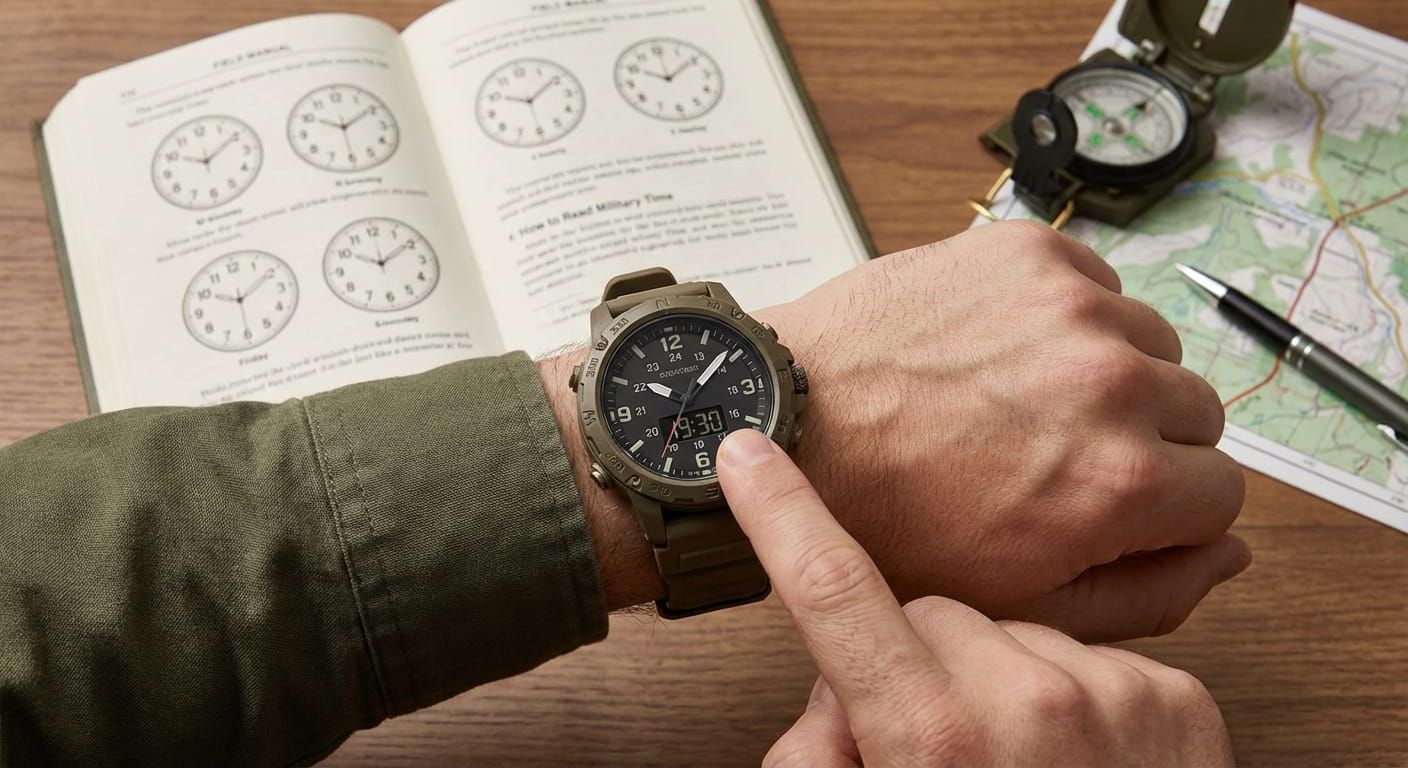
Military time looks strict at first glance, but it is really just a clean way to tell time with zero confusion. No AM, no PM, no guessing. Once you learn the pattern, you can read it as fast as regular time, and you will stop mixing up morning and evening meetings.
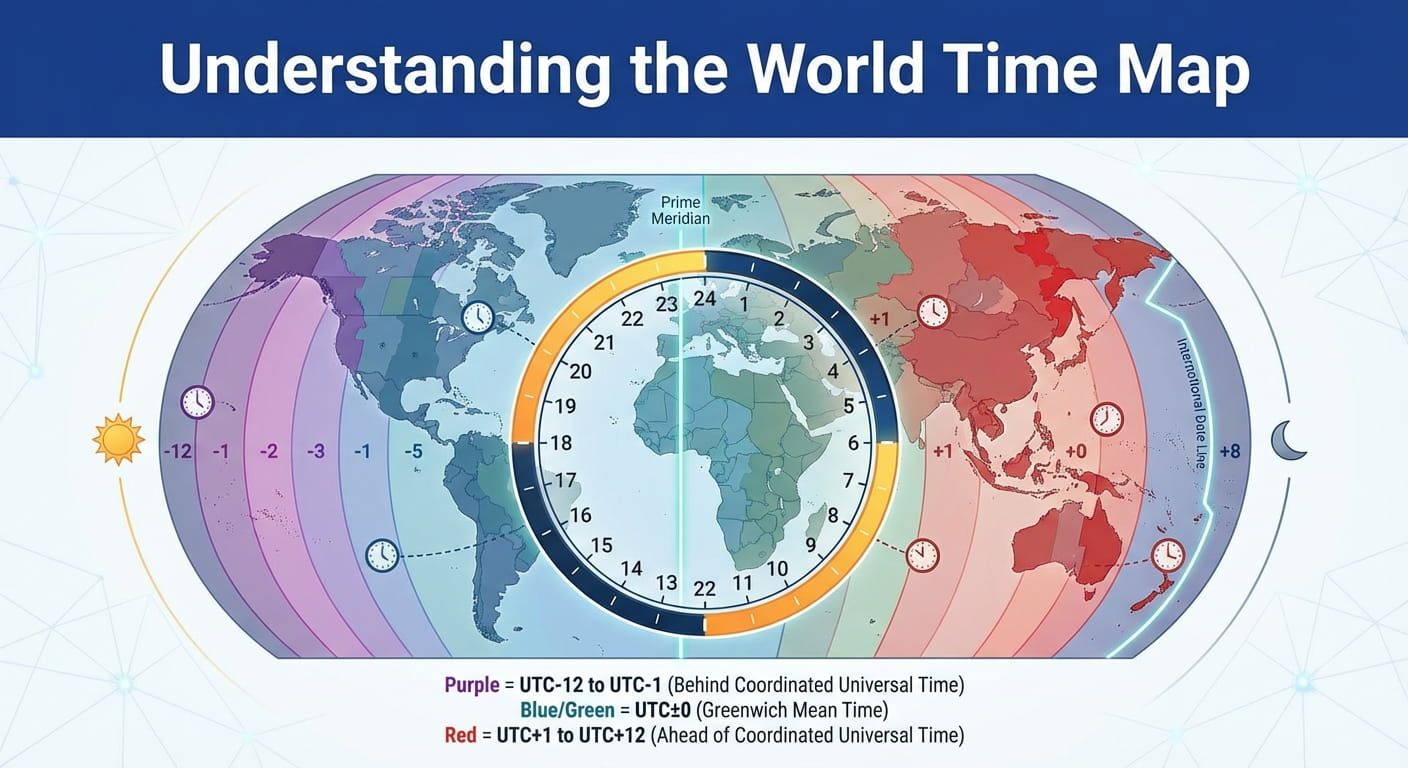
Military time uses a 24 hour clock. The first two digits are the hour from 00 to 23, the last two digits are minutes from 00 to 59. 00:00 is midnight, 12:00 is noon, 13:00 is 1:00 PM, and 23:59 is one minute before midnight. For quick conversion, subtract 12 from hours 13 to 23, keep minutes the same, and label it PM.
Try the interactive practice challenge
Pick the correct matching time. This runs in your browser and gives instant feedback.
Show answer logic
What military time really means
Military time is just the 24 hour clock written with two digits for hours and two digits for minutes. The goal is clarity. If someone says 1900, nobody wonders if it is morning or evening. That is why you will see it in aviation, shipping, hospitals, emergency services, and many international schedules.
Another helpful detail: military time often appears without a colon, for example 0730. Many civilian systems keep the colon, for example 07:30. Both are readable. The meaning is the same.
In writing, people may say “zero eight thirty” for 08:30 and “eighteen thirty” for 18:30. Saying the hour as two digits reduces mix ups over the phone.
The simple structure, hours then minutes
The format is HH:MM. HH is the hour from 00 to 23. MM is the minutes from 00 to 59. That is it. Here are the anchors that make the day feel logical:
- 00:00 is midnight, the first minute of a new day.
- 01:00 is one in the morning.
- 12:00 is noon.
- 13:00 is one in the afternoon.
- 23:00 is eleven at night.
How to convert military time to standard time
You can convert almost instantly with a small set of rules. Minutes never change, only the hour label changes.
- If the hour is 00, change it to 12 and label it AM. Example: 00:20 becomes 12:20 AM.
- If the hour is 01 to 11, keep the hour and label it AM. Example: 09:05 becomes 9:05 AM.
- If the hour is 12, keep 12 and label it PM. Example: 12:45 becomes 12:45 PM.
- If the hour is 13 to 23, subtract 12 from the hour and label it PM. Example: 19:10 becomes 7:10 PM.
That is the whole conversion. After a few days of use, you start seeing 16:00 and reading it as 4 PM without doing the math out loud.
A conversion table you can scan fast
This table focuses on the hours people see most in schedules. The colors are calm and readable, and it keeps minutes separate so your brain stays focused.
Reading military time without converting in your head
Conversion is useful, but the real win is reading military time directly. A good training trick is to focus on the feel of the hour. In the afternoon, 13 to 17 lines up with 1 to 5 PM. In the evening, 18 to 21 lines up with 6 to 9 PM. Then 22 and 23 are the late night wrap up.
Try thinking in blocks:
- 00 to 05, deep night to early morning.
- 06 to 11, morning stretch.
- 12 to 17, noon through late afternoon.
- 18 to 23, evening through late night.
Common mistakes and how to avoid them
Most errors come from three moments: midnight, noon, and the first hour after noon.
- 00:00 is not 0 PM. It is 12 AM, the start of the day.
- 12:00 is not midnight. It is noon, the middle of the day.
- 13:00 is not 3 PM. It is 1 PM. Subtract 12, then you are set.
When you see a time between 13:00 and 19:59, say the standard hour once, then say the military hour once. Example: 16:20, four twenty PM, sixteen twenty. After a week, your brain stops needing the middle step.
Using military time across time zones
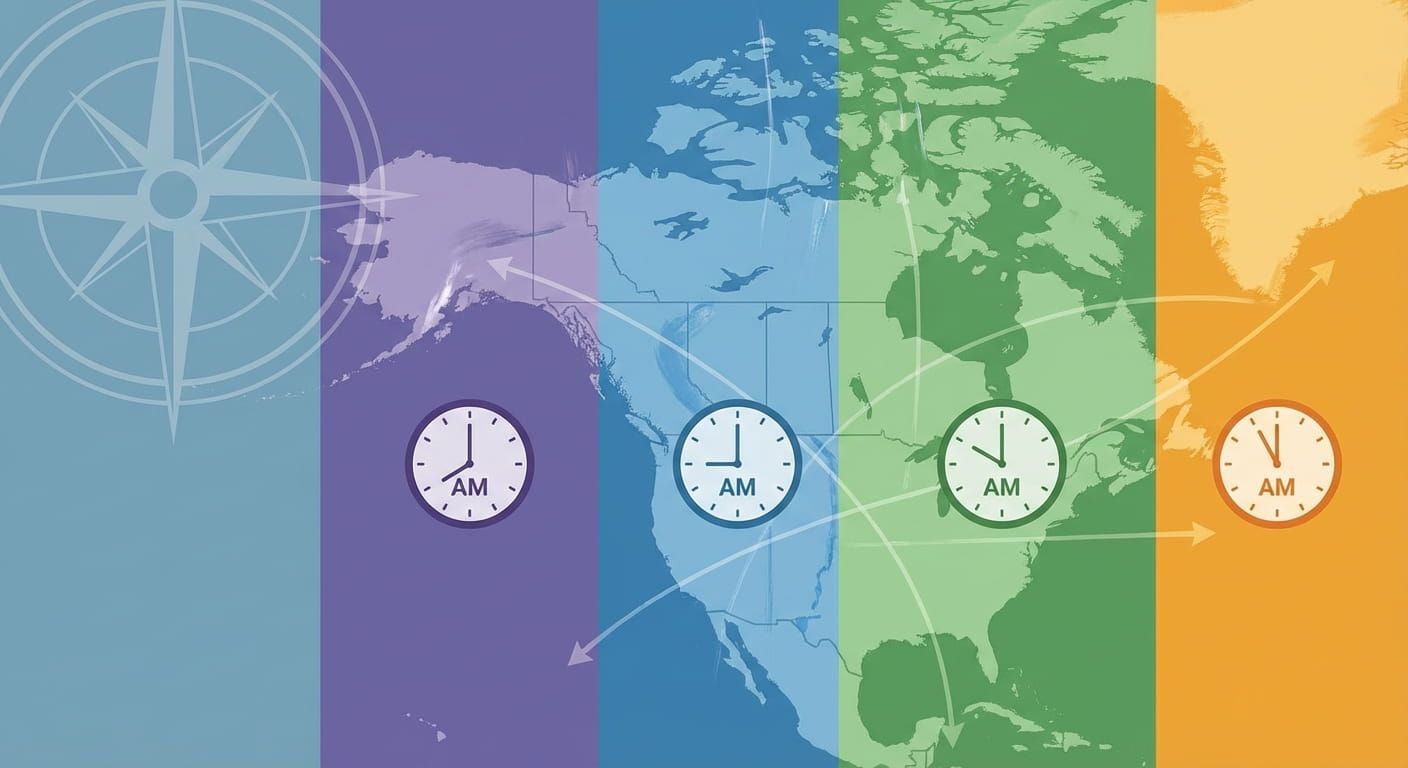
Military time solves AM and PM confusion, but international plans add another layer: time zones. A time is only useful if you know where it belongs. 19:00 in London is not 19:00 in Tokyo. This is where a reliable world time tool matters.
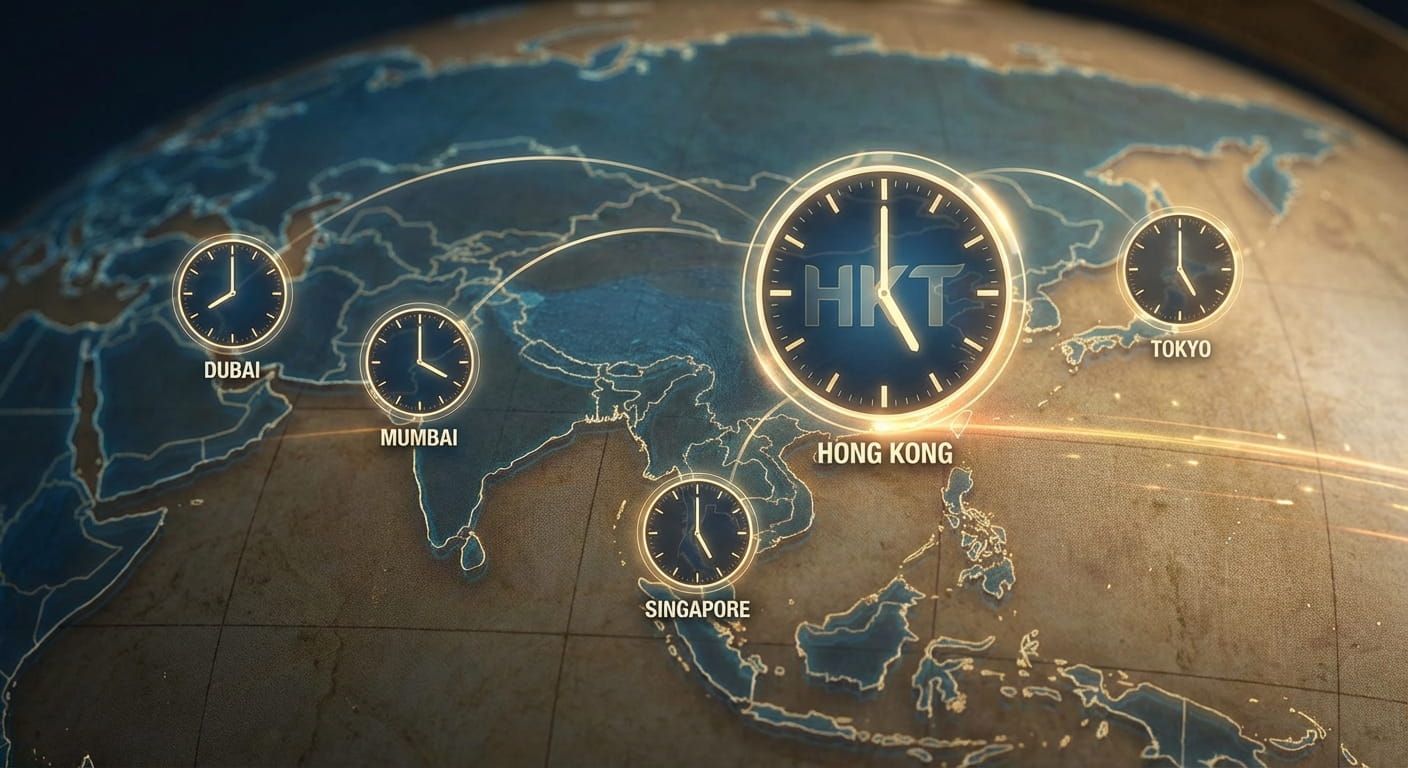
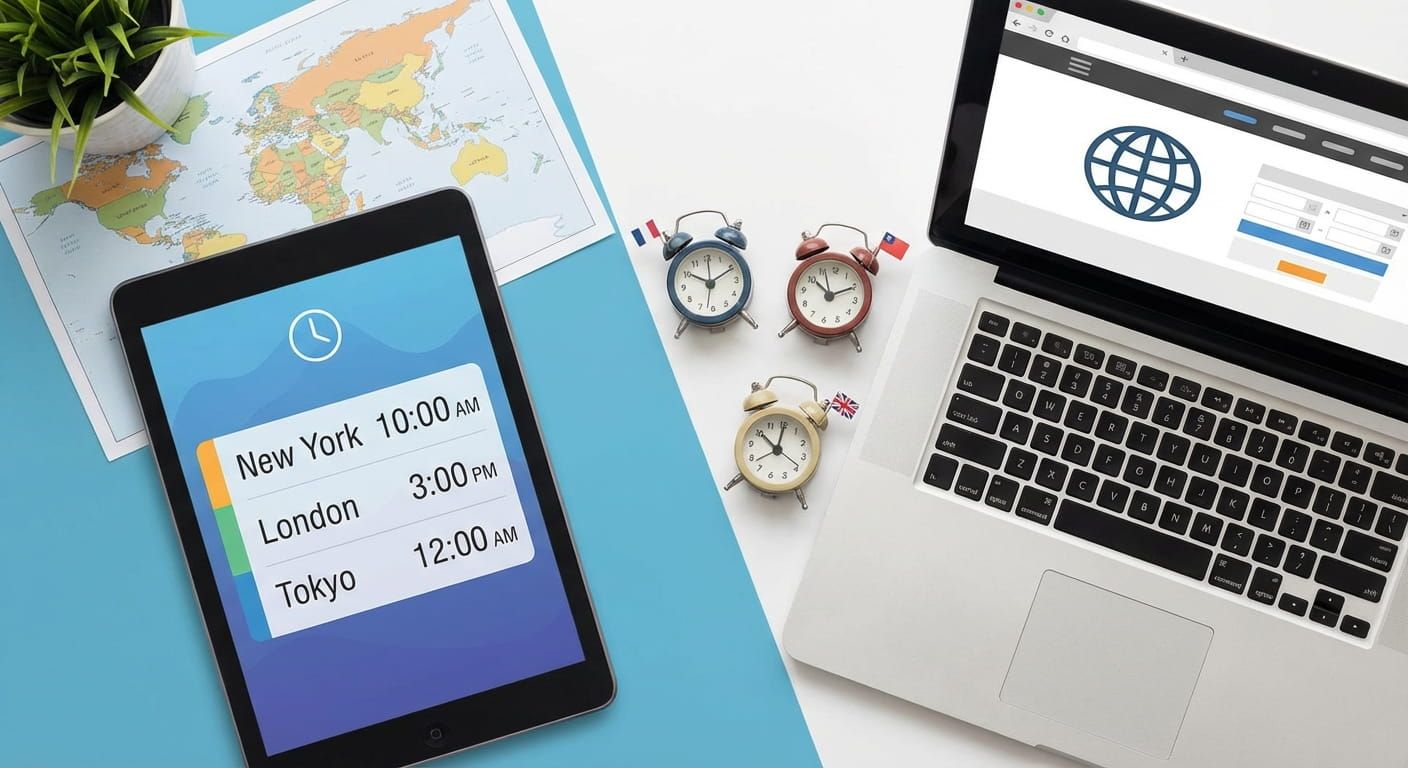
If you are coordinating with friends in Sydney, Tokyo, New York, and Honolulu, it helps to keep a single view open. The world clock view lets you scan cities at once and stop doing mental gymnastics.
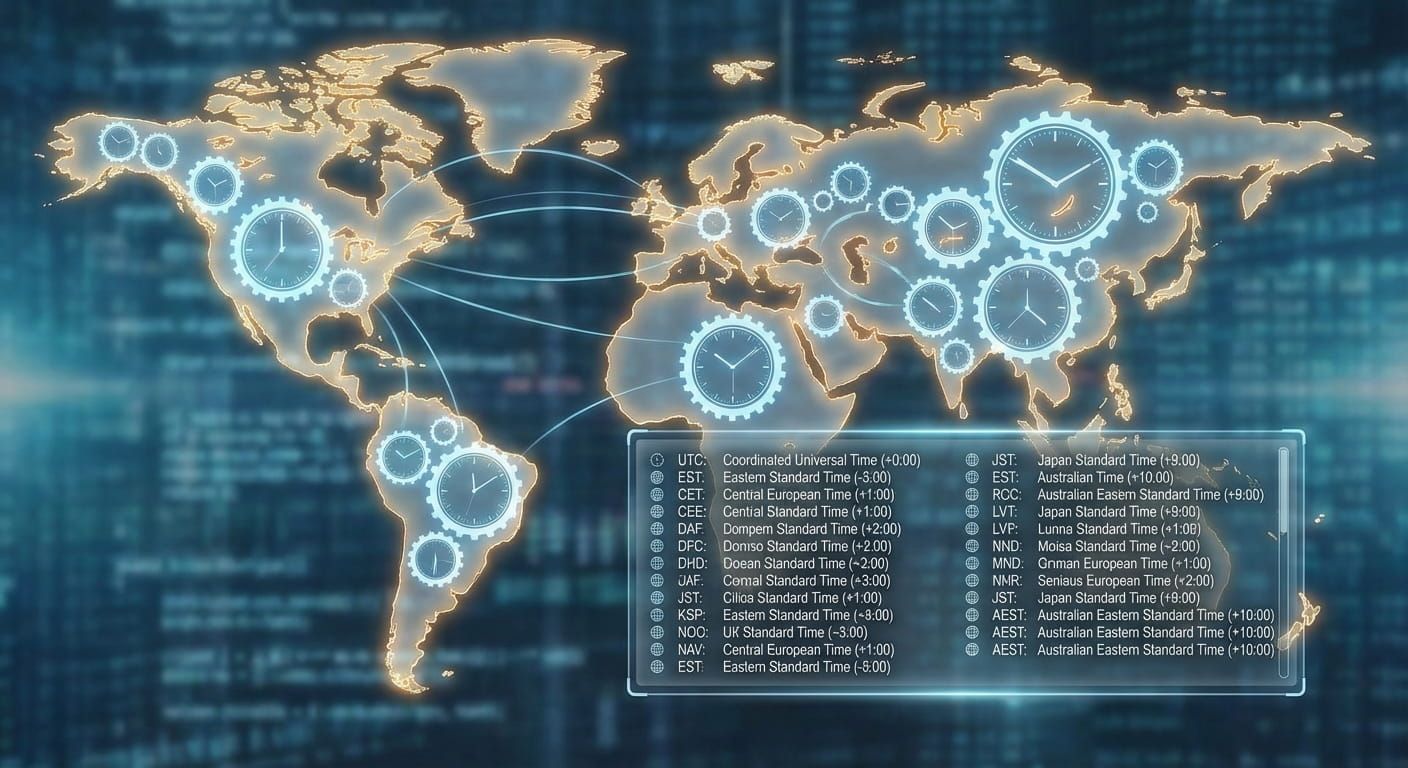
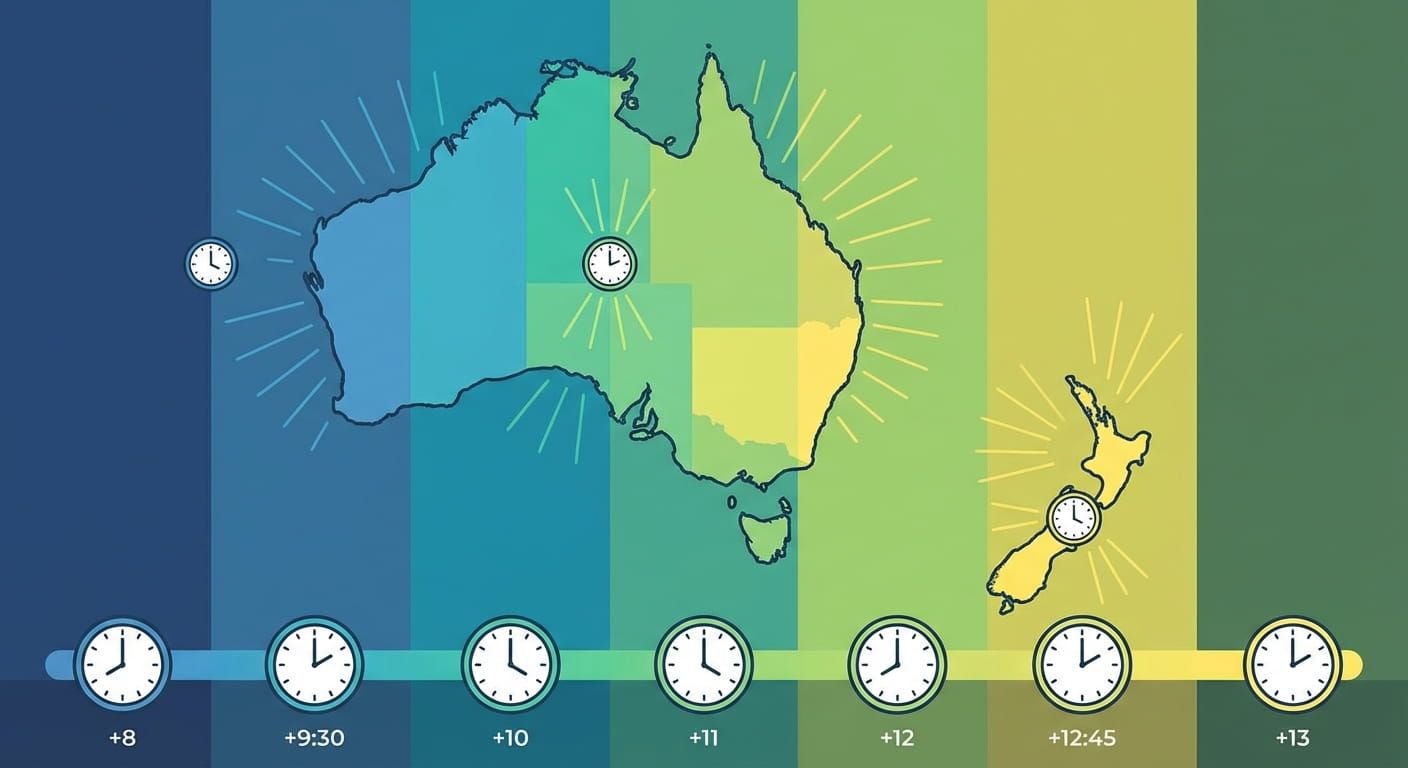
Time zones are also full of abbreviations. You will see AEST for eastern Australia time, JST for Japan time, and GMT or UTC for global reference. If you ever get stuck on what an abbreviation means in real life, the world time zone abbreviations list can clear it up fast.
For conversions that include day changes, a tool saves mistakes. If it is 22:30 in Singapore and you need to know what time that lands in Los Angeles or London, the time zone converter handles offsets and date rollovers cleanly.
UTC, GMT, and why schedules mention them
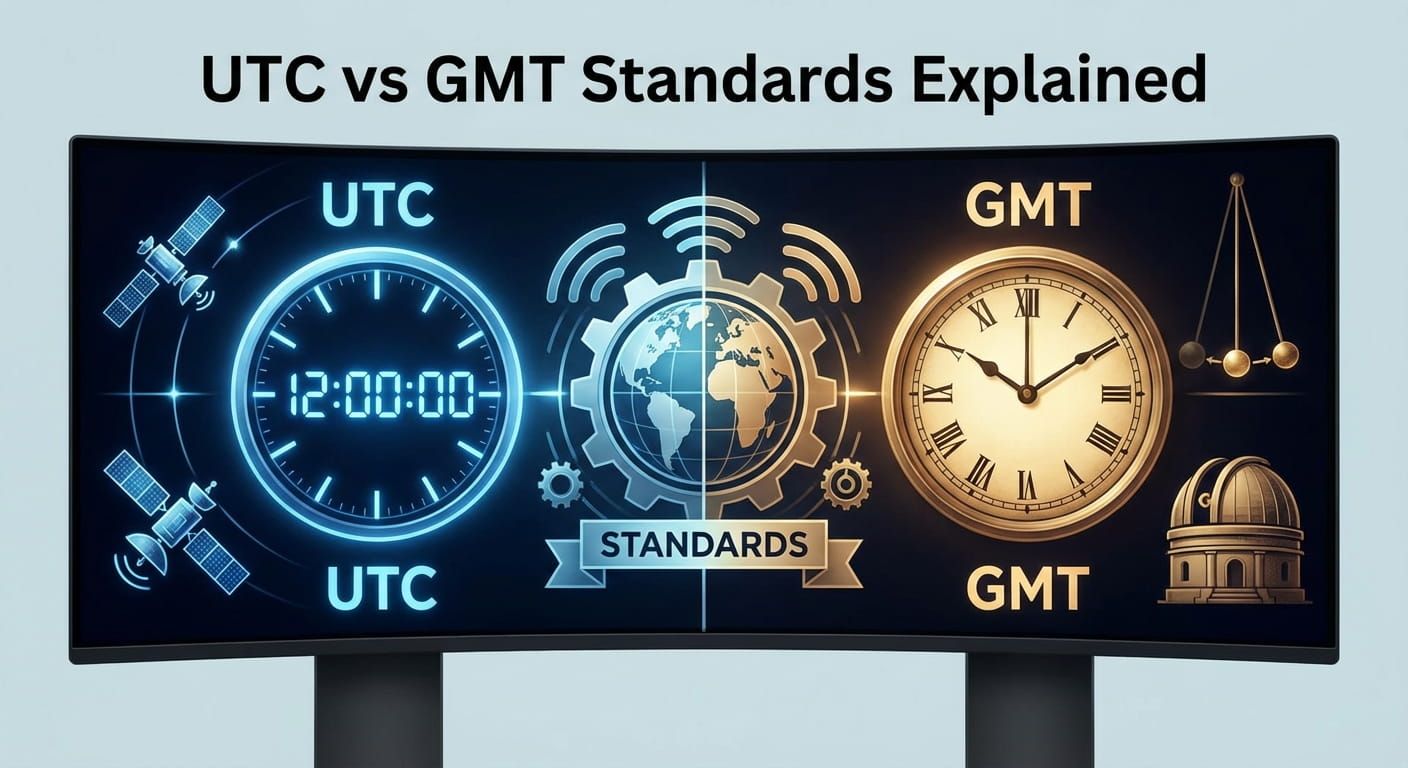
When time crosses borders, you will often see UTC used as a neutral baseline. GMT shows up too, and people sometimes use the two interchangeably in casual talk. For technical systems and clear definitions, it helps to know the difference and the context where each standard is used. The guide on UTC vs GMT standards lays it out in plain language.
In aviation and many military contexts, you may hear people reference time zones with letters. That system helps teams talk about time precisely while operating across regions. If you want that layer, the military time zones reference is a useful companion.
A reader friendly section of tips you can use today
Here is a compact set of tips that makes military time feel natural. These points work whether you are planning a call with Dublin, a flight out of New York, a game night with Tokyo, or a work session with Sydney.
- Anchor your day, 06:00 feels like morning start, 12:00 feels like lunch, 18:00 feels like evening.
- Keep minutes untouched, 14:07 always becomes 2:07 PM, the 07 stays 07.
- Say leading zero aloud, 08:05 spoken as zero eight zero five is clear in noisy places.
- Write four digits for notes, 0930 and 1730 are tidy and easy to scan.
- Confirm time zone early, add UTC, GMT, AEST, JST, or local city name before people commit.
Examples with major cities and common time zones
Seeing military time in real city contexts makes it stick. Here are examples you can picture:
- Tokyo in JST, 09:00 is morning commute, 18:00 is end of workday, 22:00 is late evening.
- Sydney in AEST, 07:30 is breakfast time, 12:15 is lunchtime, 16:00 is late afternoon.
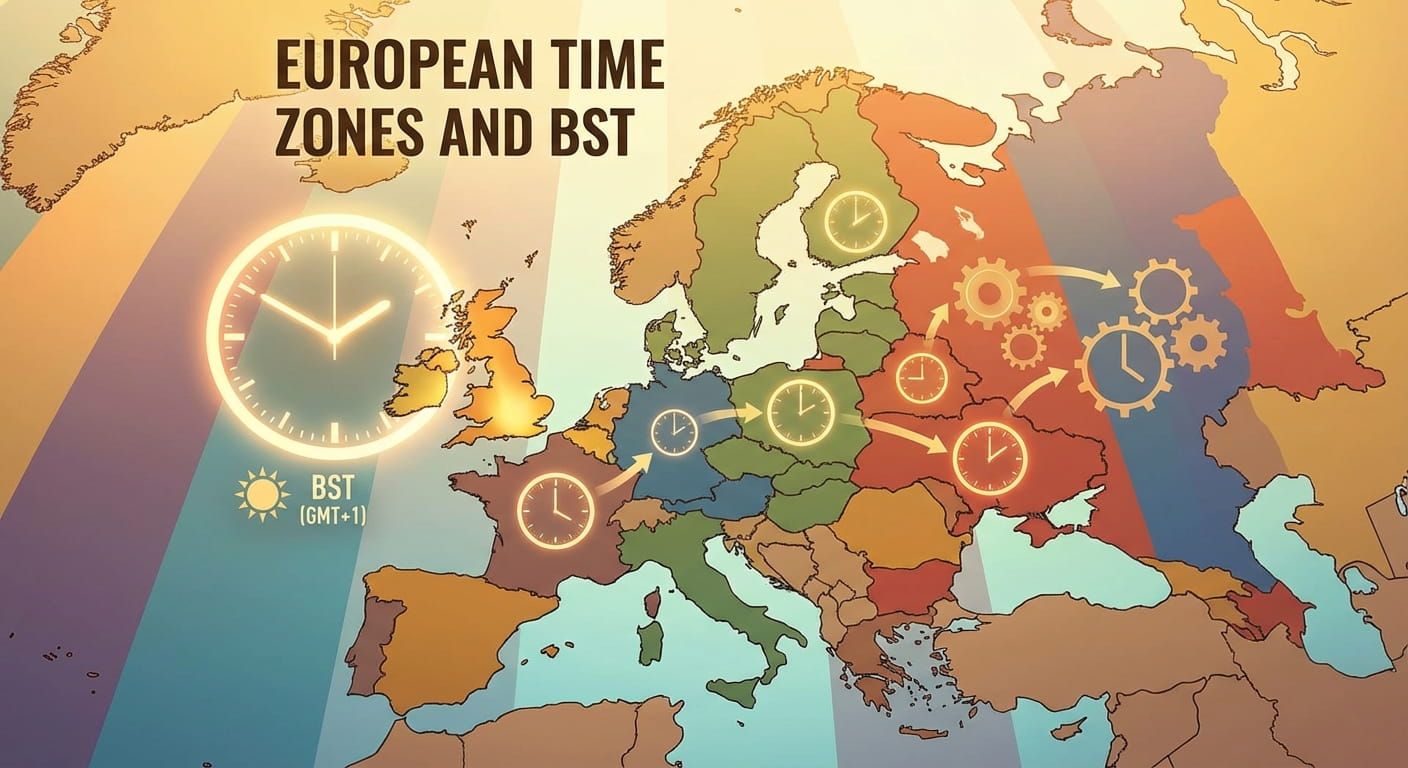
- London in GMT, 08:00 is a classic start time, 13:00 is early afternoon, 20:00 is evening.
- New York in EST or EDT, 06:00 is early start, 14:30 is mid afternoon, 21:15 is late night.
- Honolulu in HST, 05:45 is sunrise energy, 19:00 is evening dinner, 23:00 is bedtime territory.
Those labels matter because offsets shift through the year in many places. Some regions use daylight saving time and some do not. That is why atomic clock synchronized services like Time.you are handy, they keep your “what time is it there” question grounded in the current reality, not yesterday’s guess.
Making your final read feel effortless
Military time is friendly once you let it be consistent. Hours are just a straight line from 00 to 23. Minutes never change. Midnight and noon are the only special points, and they become automatic fast. Pair that with solid time zone context, and your plans get clearer, especially when your calendar reaches across GMT, UTC, AEST, JST, EST, and more.