Miss a meeting by one hour in North America, and it can feel like you showed up to the wrong day. That is how powerful time zones are. This guide makes North American time zones feel less mysterious, whether you are planning a call between New York and Los Angeles, booking a flight into Mexico City, or checking if Halifax has already moved its clocks.
North America runs on a small set of main time zones, from Atlantic through Pacific, plus Alaska and Hawaii, with important local twists like Newfoundland. Learn the usual UTC offsets, how daylight saving time changes those offsets, and why abbreviations can confuse. With clear city examples and a reliable conversion routine, you can schedule across the United States, Canada, Mexico, and nearby islands with confidence, using Time.you’s atomic clock synced time.
Try the time zone mini quiz
Answer these four questions, then tap Score. It is designed for real world scheduling, not trivia.
What a time zone is, in plain terms
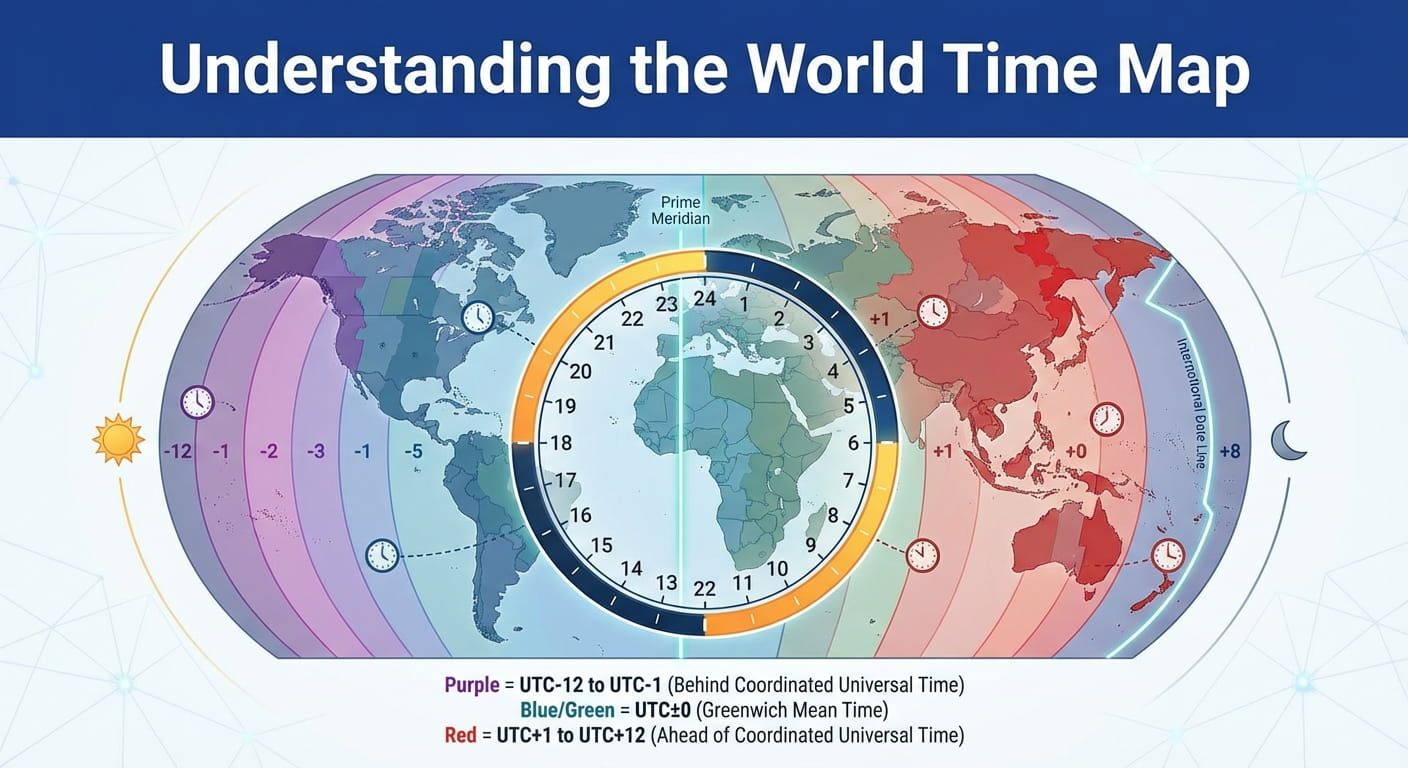
A time zone is a shared agreement about what the clock should show in a region. The Earth rotates, the sun rises at different moments, and people decided that clocks should shift in steps to keep daily life sensible. North America mostly uses one hour steps. A few areas use a half hour step, and a few use unique local rules.
Time.you helps by showing exact current time for major cities, countries, and time zones. The service is synchronized to atomic clock time, so when you check a city time before a call, you are using a precise source rather than a drifting device clock.
The main North American time zones and where you feel them
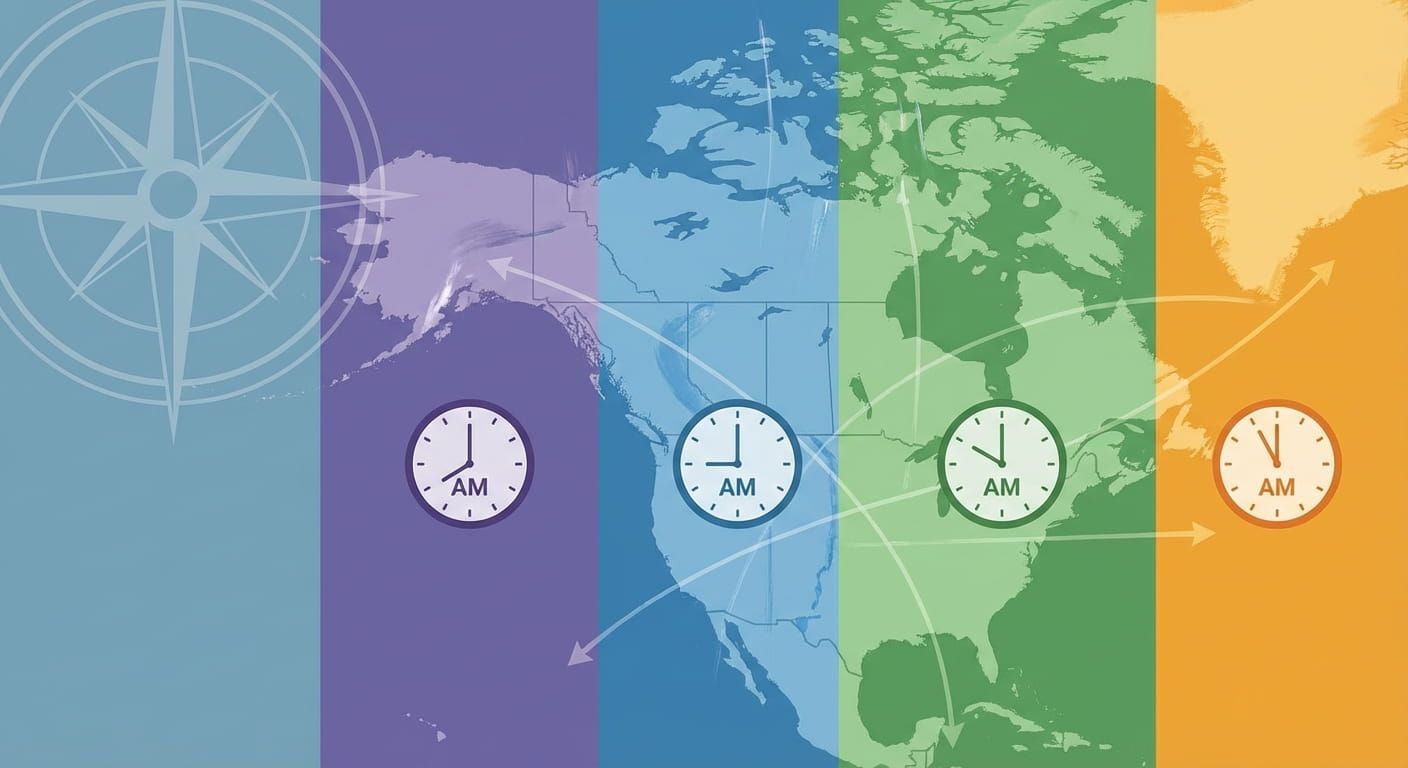
Most people interact with a familiar lineup from the Atlantic coast to the Pacific coast, plus Alaska and Hawaii. You also have an important half hour zone in Newfoundland that catches travelers by surprise. These are not just lines on a map. They shape school start times, sports schedules, flight boards, and even when a friend replies to a message.
Think in cities. Eastern time shows up in New York, Washington, Miami, Toronto, and Montreal. Central time shows up in Chicago, Dallas, Winnipeg, and Mexico City. Mountain time fits Denver and Calgary. Pacific time fits Los Angeles, Seattle, Vancouver, and San Francisco. Alaska time anchors Anchorage. Hawaii time anchors Honolulu. Newfoundland time is often discussed with St John’s and nearby coastal communities.
UTC offsets that make conversions easier
UTC is the reference point. Local time is usually expressed as UTC plus or minus a number of hours. That number can change if a location observes daylight saving time. A clean way to stay grounded is to connect each zone name to its common abbreviation, then connect that to the UTC offset.
Daylight saving time rules and the places that break the pattern
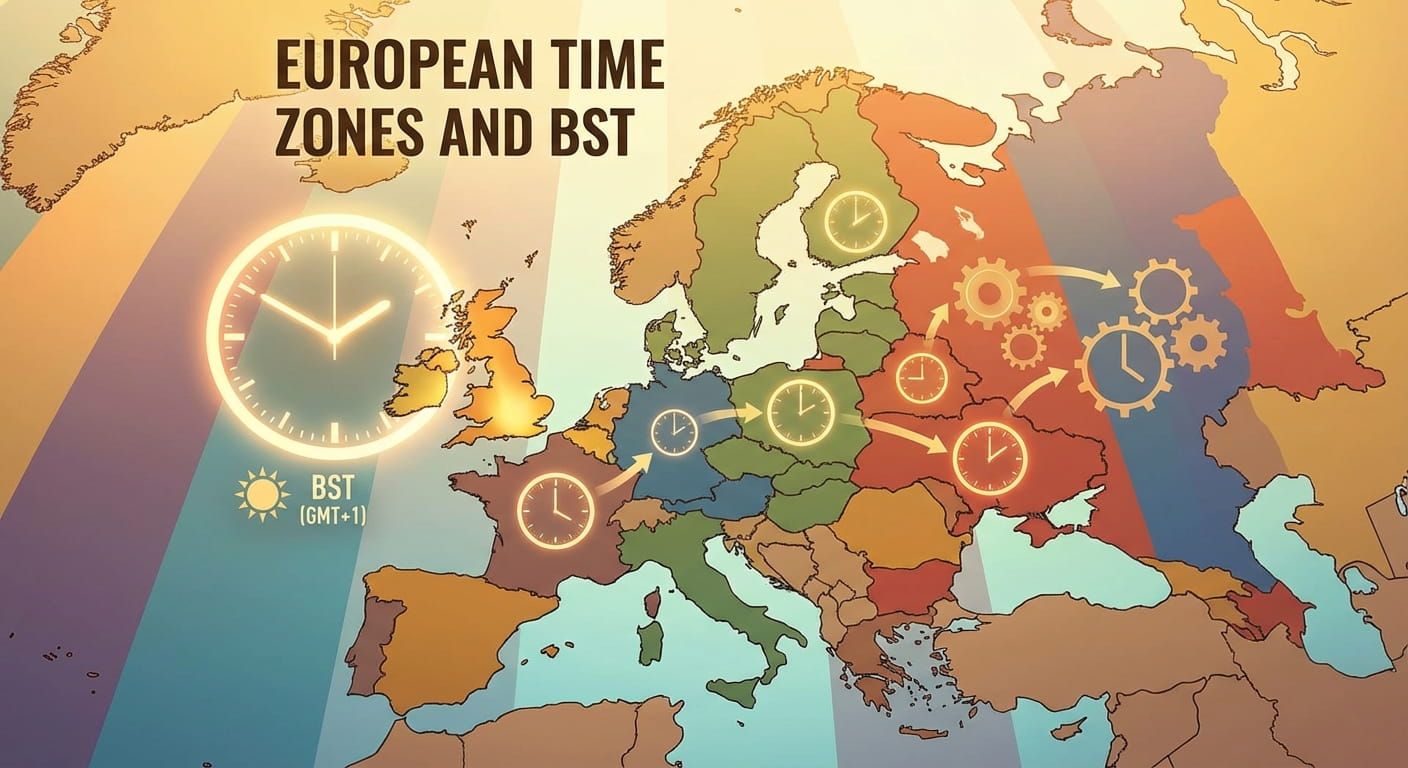
Daylight saving time changes the clock to make evenings feel longer. In many parts of the United States and Canada, clocks move forward by one hour in spring and move back in fall. That means the UTC offset changes too, even though the city did not move.
Exceptions are where mistakes happen. Phoenix often stays on the same clock time all year. Hawaii usually stays on the same clock time all year too. Some regions in Canada and Mexico follow local decisions. Rules can vary by region and can change over time. The safest habit is to check the city time directly right before something important, especially around the weeks when clocks change.
Practical tip: For travel weeks, check the destination city at breakfast and again before you leave for the airport. That one habit catches most daylight surprises.
How to convert times without stress
Conversions feel hard until you pick one method and stick with it. There are two reliable approaches, and both work well once you practice with real city pairs.
- City to city difference: learn the usual gap and apply it. New York is commonly three hours ahead of Los Angeles. Chicago is commonly one hour behind New York. Denver is commonly one hour ahead of Los Angeles during standard time.
- UTC method: convert local time to UTC, then convert UTC to the other local time. This is useful around daylight changes and for places with half hour offsets.
Here is the UTC method in a real example. A meeting is set for 14:00 in Toronto during standard time. Toronto is UTC minus 5, so UTC is 19:00. Los Angeles during standard time is UTC minus 8, so local time is 11:00. Same meeting, different clock face.
If you prefer tools over math, the time zone converter can confirm a conversion while keeping the city context clear.
Abbreviations can mislead, use them with care
Abbreviations look tidy, yet they can be ambiguous. CST can mean Central time in North America, China standard time, or Cuba standard time. PST can mean Pacific time or Philippine standard time. Even experienced planners get caught by this, especially when a calendar invite only includes three letters.
Two ways to stay safe:
- Use a city name with the time, for example 3:00 pm Chicago time.
- Pair the abbreviation with a UTC offset, for example UTC minus 6.
If you want a reference that lists common abbreviations and how they are used in different contexts, the world time zone abbreviations list helps you double check the tricky ones before you send an invite.
UTC and GMT, what people mean in real conversations
UTC is the time standard used for offsets and global coordination. GMT is often used casually to mean roughly the same thing in everyday scheduling, even though they are not identical concepts in the standards world. In daily planning, the key is consistency. Pick one reference, stick to it, and write the offset clearly.
A solid explainer that keeps the language approachable is utc vs gmt standards.
North America is wide, this is how the map usually flows
Time zones generally run north to south. That keeps nearby places aligned. Still, borders bend around geography, population, and local preference. That is why you can drive across a state or province and see the clock change, or not change, in places you would not expect.
Use this mental picture:
- Atlantic hugs the far east edge, including parts of eastern Canada and nearby islands.
- Eastern covers big population centers along the US east coast and much of eastern Canada.
- Central covers the middle band, including major hubs in the United States and Mexico.
- Mountain covers inland western areas.
- Pacific covers the coast from British Columbia down through California.
- Alaska and Hawaii sit on their own clocks.
- Newfoundland sits on a half hour offset that can shift your assumptions.
For a visual confirmation before you plan a multi stop trip, the time zone map helps you confirm which side of a border a city sits on.
A simple scheduling playbook that works for families and teams
Scheduling is not only math. It is also people. A call that is fine for Chicago might be too early for Los Angeles or too late for Halifax. These habits prevent confusion without adding extra work.
- Pick one anchor city. Choose the organizer city, for example Chicago, then convert everyone else from that.
- Always include the date. Midnight conversions can change the day in another zone, especially between Halifax and Honolulu.
- Write time with am or pm. 7:00 can mean two different moments if someone assumes 24 hour time.
- Confirm the daylight week. If the call lands near seasonal clock changes, double check city times again the day before.
- Share a live view. One shared view reduces back and forth messages.
A live view is where a world clock helps, because it shows multiple cities at once. Many people keep New York, Chicago, Denver, Los Angeles, Toronto, Vancouver, Mexico City, and Honolulu in one place using world clock.
Real examples with popular routes and cities
Examples make the pattern stick. These scenarios use cities that show up in real life calendars and travel plans.
- Los Angeles to New York: New York is commonly three hours ahead. A 6:00 pm dinner in Los Angeles is 9:00 pm in New York.
- Vancouver to Toronto: Toronto is commonly three hours ahead. A 10:00 am class in Vancouver is 1:00 pm in Toronto.
- Calgary to Chicago: Chicago is commonly one hour ahead of Calgary during standard time.
- Mexico City to Dallas: These cities can align often, yet daylight differences can change the gap depending on the date. Checking the city time close to the moment prevents surprises.
- Anchorage to Seattle: Seattle is commonly one hour ahead of Anchorage when both are on standard time.
- Honolulu to San Francisco: Honolulu does not usually shift, so the gap changes when the mainland moves clocks. Double check during spring and fall.
- Halifax to Montreal: Halifax can be one hour ahead of Montreal, which matters for evening calls and early morning flights.
Quote to keep: Time zones are predictable most days, yet the seasonal clock change weeks are where plans fall apart. A fast city time check can save a trip, a call, or a deadline.
Common mistakes and how to avoid them
- Assuming an abbreviation is unique: write a city name or a UTC offset instead.
- Forgetting the date: crossing midnight can land on a different day.
- Mixing 24 hour and 12 hour time: add am or pm, or use 24 hour consistently.
- Trusting old screenshots: city time can change with daylight rules, always check live.
- Guessing for islands and territories: some areas follow different daylight choices, verify the local city time.
Helpful terms you will see on clocks and tickets
These terms pop up in travel plans and event invites. Knowing them helps you read time info faster and respond with fewer follow ups.
- Local time: the clock time in the place you are talking about, for example Denver local time.
- UTC offset: how far a local time is from UTC, for example UTC minus 7.
- Standard time: the usual offset outside daylight periods.
- Daylight time: the shifted time, usually one hour ahead of standard time.
- Time difference: the gap between two cities, often easier than offsets once you learn it.
Picking a time that feels fair across multiple zones
Scheduling across zones is also about kindness. A slot that looks fine in Chicago might be tough for Los Angeles or Halifax. These patterns help you choose a time that feels balanced for a group.
- Late morning in Central time often lands as early morning in Pacific and early afternoon in Eastern.
- Early afternoon in Eastern time often lands as lunch time in Central and late morning in Mountain and Pacific.
- Evening calls in Eastern can be late night in Atlantic areas, especially on school nights.
Travel habits for crossing zones inside North America
Flights and road trips can cross zones without you noticing. Here are habits that reduce confusion when you are moving between cities.
- Set your phone to update time automatically, then verify with a trusted city time source if you are near seasonal clock changes.
- Write departure and arrival times with the city name, for example depart Chicago 7:30 am, arrive Denver 9:15 am.
- For connections, compute layovers using the airport local time shown on the itinerary, then check the destination city time to confirm.
If you like planning events with friends across cities, the event planner can help you lock in a time that makes sense for everyone.
Keeping North American time zones on your side
Once you know the main zones and their usual UTC offsets, most conversions become routine. The remaining trouble comes from daylight changes and abbreviation confusion. Solve both by anchoring plans to cities, including the date, and checking live time close to the moment. With that approach, North American time zones stop feeling like a trap and start feeling like a tool you can use with confidence.