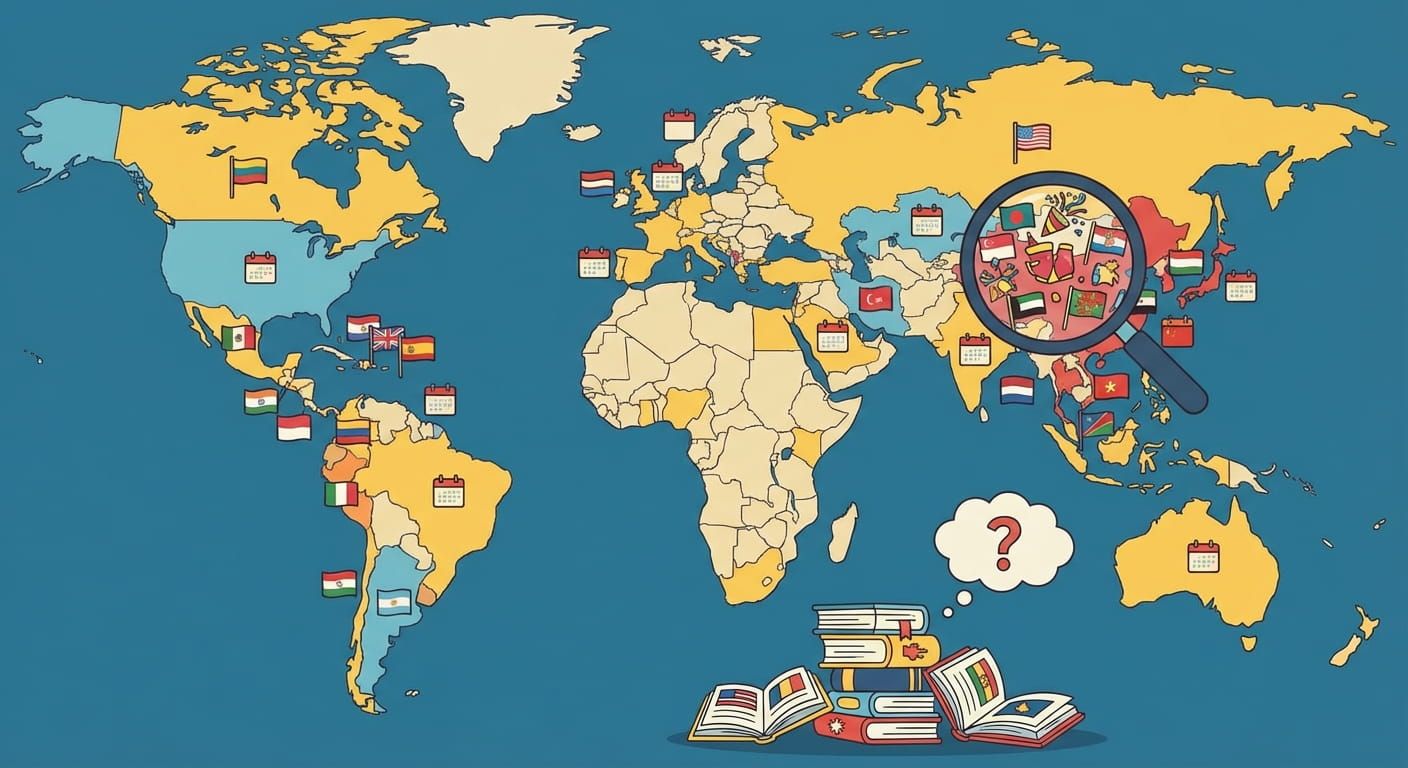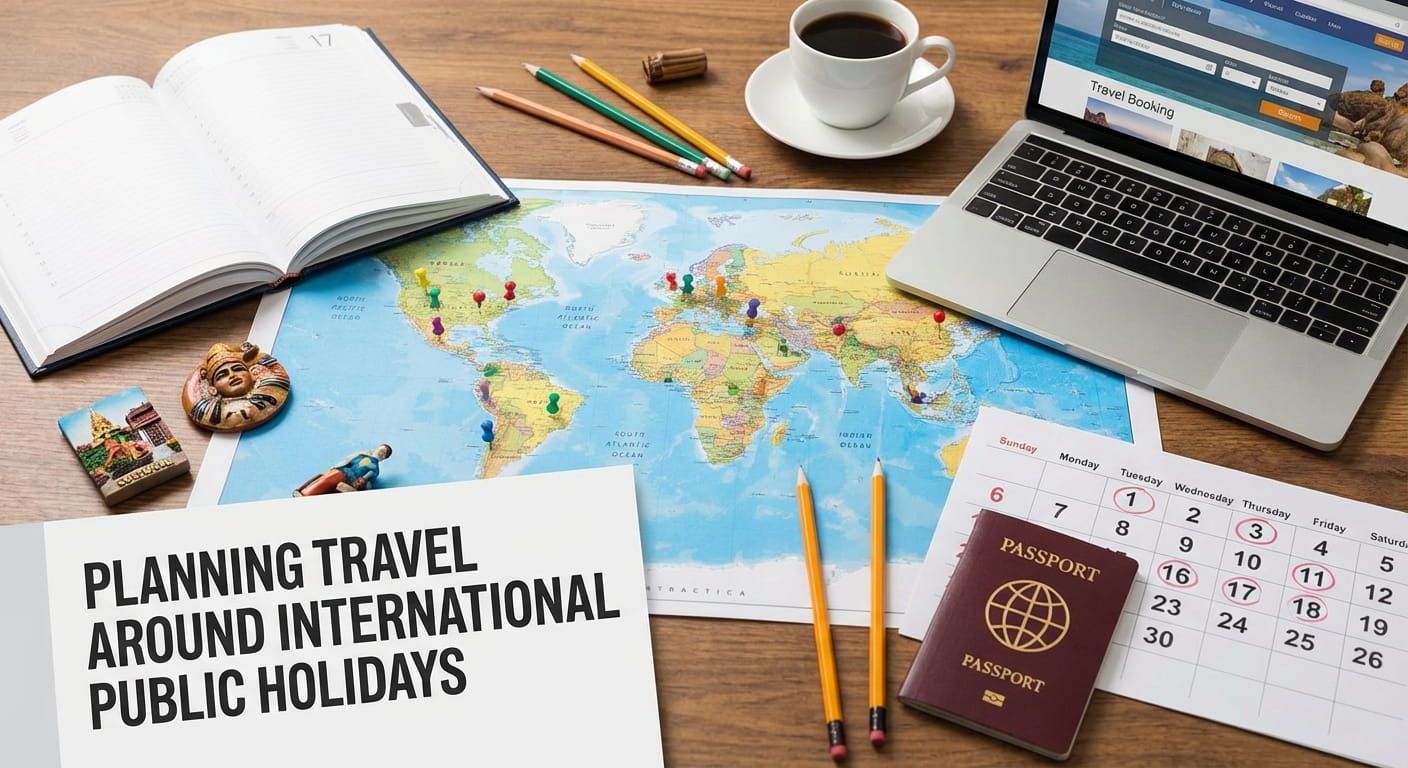
Nothing changes a trip’s vibe faster than arriving on a day when the city is “closed.” Museums go quiet, buses run on a reduced schedule, and your perfect dinner spot is packed because everyone else has the same idea. International public holidays can be the best part of a journey or a surprise speed bump. The difference is planning.
Plan travel around international public holidays by checking each country’s official holiday list for your travel year, then pairing those dates with local transport and business hours. Expect higher prices and fuller hotels near major holidays, and quieter streets on the day itself. Watch for observed dates that move celebrations to a weekday. Use time zone awareness for flight arrivals and booking cutoffs. Build a flexible day plan for holiday closures and a second plan for peak crowds.
Why public holidays reshape a trip
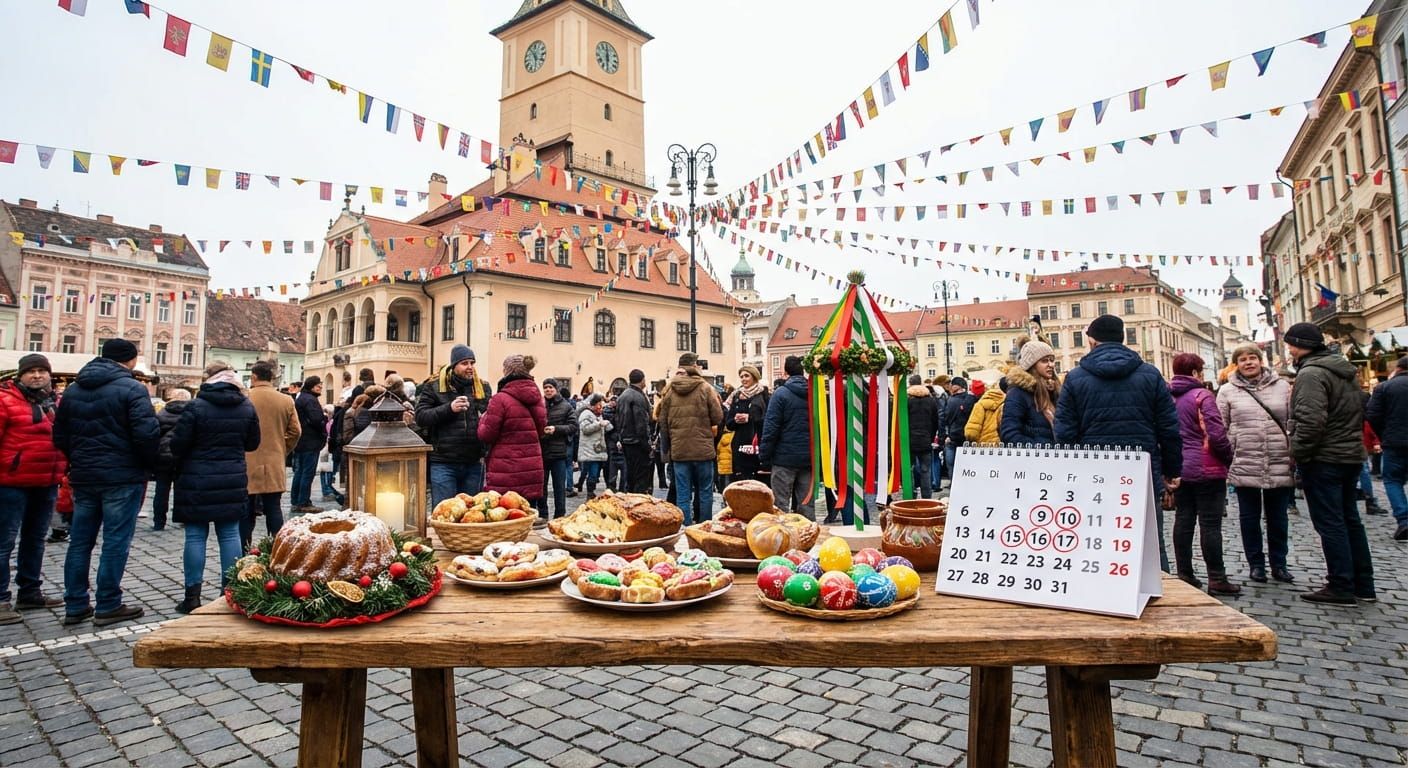
Public holidays are more than a day off. They affect opening hours, transport, staffing, and the overall rhythm of a place. In one city, it means calm streets and family picnics. In another, it means fireworks, parades, and queues that wrap around blocks.
There are three big travel impacts to keep in mind.
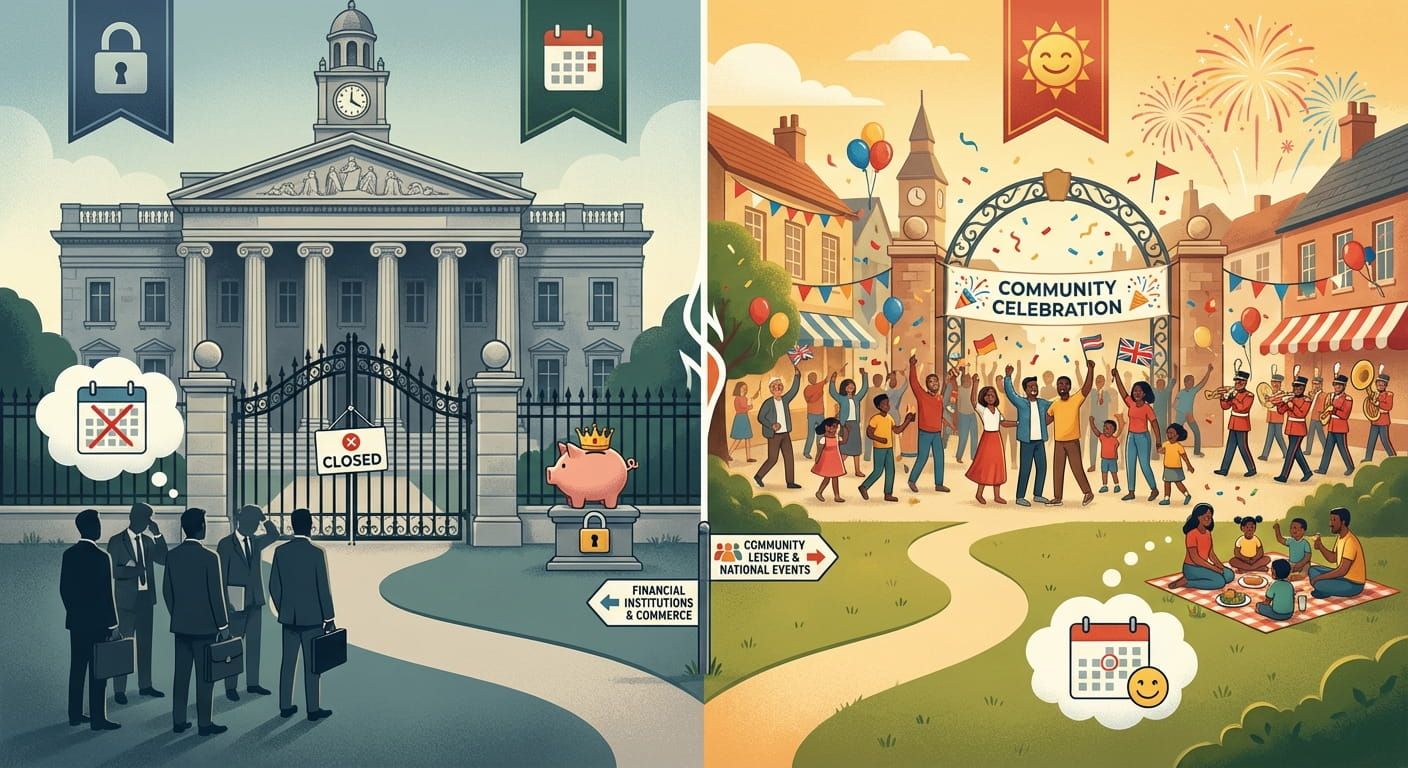
- Closures: Government offices, banks, and many small shops may close. Some museums and attractions close or shorten hours.
- Crowds: Locals travel too. Trains sell out, airports spike, and popular districts get busier.
- Prices: Hotels and flights can climb around large holiday weeks, especially when school breaks overlap.
A holiday can be the best day to wander on foot, and the worst day to rely on last minute logistics. Treat it as a special operating mode.
Start with the calendar, then verify the year
Holiday planning begins with one simple habit: always match the country and the year. Some holidays stay on the same date. Others move. Some expand into multi day breaks. Some shift to an observed weekday. If you only remember the holiday name, you can still get caught out.
Time.you is built for this kind of planning. It pairs precise time for any place with holiday information, which matters because booking windows and day changes follow local time, not your home time. If you are mapping a route through Asia and Europe, it helps to sanity check dates against local time before you buy non refundable tickets.
If you already know your target countries, go straight to the country list and scan the month view. Here are examples you can use while planning, each used once:
- Planning a spring route through Japan, check Japan holidays early, because several holidays cluster and can shift how cities feel.
- If you are syncing with school breaks in Southeast Asia, confirm Singapore holidays to predict regional travel surges.
- For a Europe loop, compare France holidays with nearby countries to avoid stacking closures across borders.
- For festival heavy travel, scan India holidays for large regional patterns that affect trains and domestic flights.
- If you are building an East Asia itinerary, review China holidays because several travel periods stretch beyond a single date.
Observed dates and substitute days
Some countries move a celebration to a weekday when the holiday lands on a weekend. That is good for workers, but it can surprise visitors. A Monday can look like a Sunday. That matters for intercity travel and for anything you must do in person, such as visiting an embassy service center, picking up certain tickets, or confirming a bank transfer for a big booking.
Practical moves:
- Check if the holiday is observed on a different day, not just the named date.
- Look up the opening hours of your priority spots, then screenshot or save them offline.
- Assume smaller businesses run on a thinner schedule, then plan meals and shopping earlier.
Holidays that drive the biggest crowd swings
Not all holidays are equal in travel impact. Some are local and calm. Others trigger nationwide movement. There are also holidays that are culturally meaningful but do not shut down everything. The key is to sort holidays into travel behavior categories.
| Holiday pattern | What you may notice | Trip planning move |
|---|---|---|
| Multi day national breaks | Higher domestic travel, full trains, busy airports | Book transport early and choose lodging near stations |
| Religious calendar holidays | Dates can shift year to year, some services run differently | Confirm the year’s official date list before you lock flights |
| Civic remembrance days | Ceremonies, closures in morning hours, calmer nightlife | Plan quiet activities and respect local observances |
| Fixed date national days | Parades, fireworks, crowd control near city centers | Choose viewing spots early, avoid driving in core zones |
Timing across time zones, the detail that saves bookings
Holiday travel planning is really time planning. Flight searches, hotel cancellation cutoffs, and ticket release times are all tied to local time. If you book from a different time zone, you can miss a cutoff by hours without noticing.
Time.you’s exact time service is helpful here. It is designed as an atomic clock synchronized time source, which means you can trust the displayed local time for major cities and time zones when you are coordinating payment windows or confirming the date change after a long flight. This matters most when a holiday begins at midnight locally and you arrive late at night.
Use this mental checklist for each trip segment.
- What is the local date at arrival time, not your departure date.
- Does the next morning land on a holiday or an observed day.
- Are there reduced timetables for trains, buses, or ferries.
- Do you need cash, a SIM card, or a specific pickup, and will it be open.
Build a holiday day plan and a non holiday day plan
This is the simplest way to stay relaxed. For each city stop, draft two versions of your day. The holiday day plan is walking friendly and flexible. The non holiday day plan is your museum and admin errands day.
Holiday day plan ideas:
- Parks, waterfronts, public squares, and scenic neighborhoods
- Street food areas and markets that are known to operate on holidays
- Self guided architecture walks and photo routes
- Advance booked tours that confirm operation on the holiday
Non holiday day plan ideas:
- Museums with timed entry
- Local service errands such as bike rentals, specialty shops, or repairs
- Day trips that rely on normal transport frequency
Put your must do activity on a non holiday day by default. Put your nicest wandering route on the holiday itself.
A travel friendly checklist you can reuse
Use this as a simple sequence before you book. It keeps holiday surprises small.
- Identify your countries and cities. Write the dates you will be in each place.
- Match the year’s holiday list. Scan the month you are visiting, then note any multi day break.
- Flag closure sensitive activities. Museums, government sites, banks, and some attractions.
- Check transport pressure points. Intercity trains, ferries, and domestic flights.
- Reserve lodging in the right zone. Near a station for heavy travel days, central for walking days.
- Add a buffer day if your route is tight. A buffer is extra valuable around major holidays.
- Confirm local time for cutoffs. Pay attention to cancellation times and ticket release windows.
Where holiday travel feels easiest, and where it needs extra care
Some destinations keep services running smoothly even on public holidays. Others slow down more. This is not good or bad, it is just local culture and labor norms.
In big global cities, you may find restaurants and key attractions open, with staff on special schedules. In smaller towns, you may find a real pause. In places with strong family traditions, the holiday can be quieter during daytime and livelier in the evening.
Here are cues to watch, without assuming the same pattern everywhere.
- Old town districts: They may host celebrations and be crowded, yet some small shops close.
- Business districts: They can look empty on a holiday, but transit may still run for essential workers.
- Beach and resort areas: They often stay active, but prices can rise near major breaks.
How to book smarter around peak holiday weeks
If your dates overlap a major holiday week, you still have options. You can lean into it and treat the holiday as the highlight. Or you can shift the itinerary by a day or two to avoid the highest demand nights.
Ways to reduce stress and cost:
- Arrive just after the first rush day if the holiday triggers national travel.
- Choose early morning departures on popular routes, seats may be easier to find.
- Stay longer in one base city instead of hopping every two days.
- Pick lodging with flexible cancellation, then monitor price drops.
- Pre book key trains, then keep local day plans flexible.
Respectful travel during local observances
Public holidays often carry meaning. Sometimes it is joy, sometimes remembrance, sometimes faith. Being a good guest is not complicated, but it does take attention.
- Dress appropriately if you visit temples, memorials, or official ceremonies.
- Keep your voice and behavior aligned with the setting, especially during moments of silence.
- Ask before taking close photos of people in ceremonies.
- Plan your nightlife expectations around the holiday mood of the city.
If the city is celebrating, enjoy it. If the city is reflecting, slow down and follow the local tone.
Planning examples across popular routes
Japan city hop: If your Tokyo and Kyoto days overlap clustered holidays, your best move is to put indoor attractions on normal weekdays and use the holiday for outdoor neighborhoods, gardens, and river walks. Reserve intercity seats earlier than you normally would, then keep your local schedule light.
Singapore stopover: If you connect through Singapore during a holiday, you may find tourist friendly areas still lively, but some services run on different hours. Plan airport to city transfers with a backup option, and keep dining reservations earlier.
France weekend break: A public holiday that creates a long weekend can fill trains and push up hotel rates in Paris and major regions. Stay near the places you want to walk, and pick one big ticket activity that you book in advance.
India festival timing: Some festivals bring incredible street scenes, and also heavy domestic movement. Choose fewer long transfers during the peak days, book seats and rooms early, and keep extra time between city legs.
China travel week: When a multi day break hits, popular routes can sell out and attractions can become packed. Consider visiting smaller cities, or travel on the edges of the break rather than the center.
Common questions travelers ask
Do all public holidays mean everything closes?
No. Many places keep restaurants, parks, and tourist areas active. The biggest closures tend to be government services, banks, and smaller local businesses.
Are banks and public holidays always the same?
Not always. Some countries have differences between public holidays and bank holidays, and services can vary. Treat financial tasks as sensitive to holidays and plan them for a normal weekday.
Why do holiday dates change?
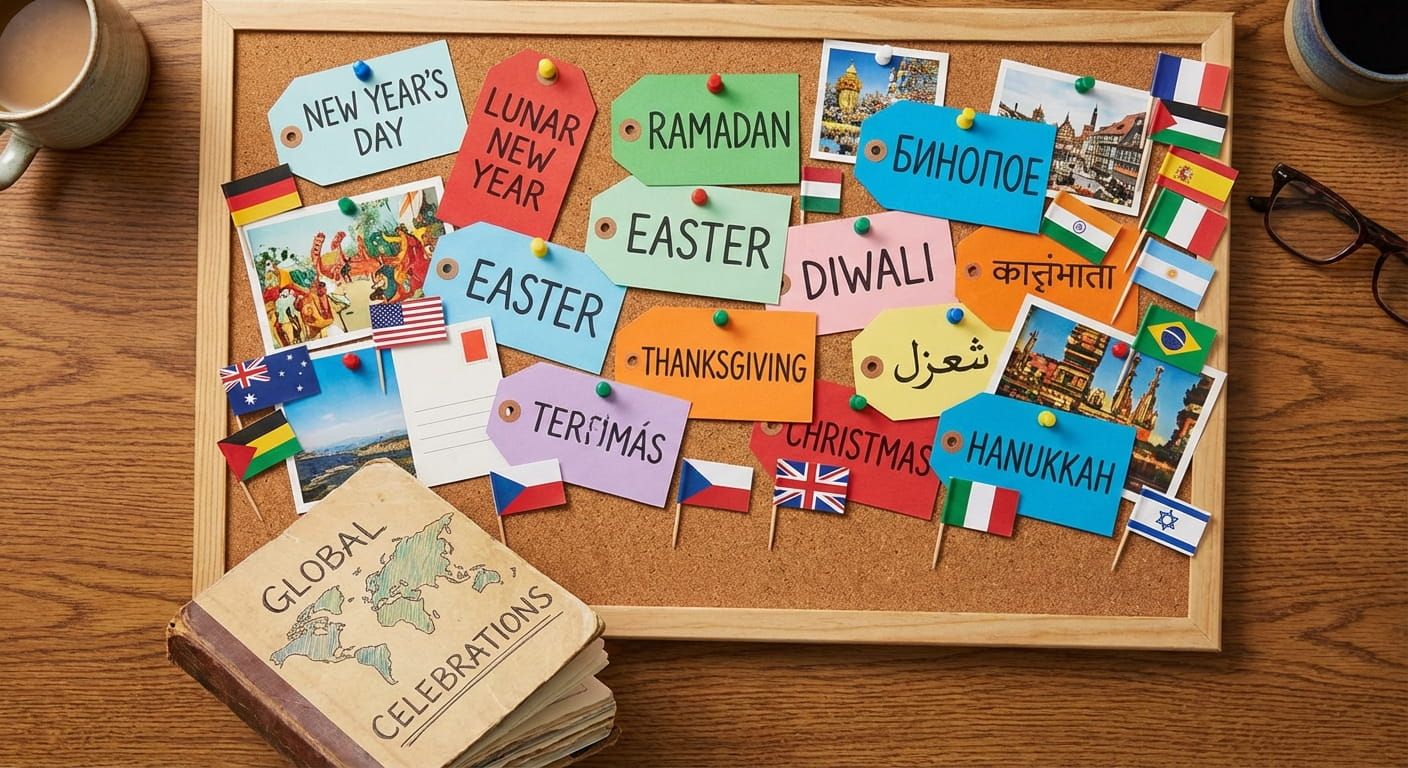
Some holidays follow lunar calendars or religious rules, so the date shifts each year. Others are fixed dates but may be observed on a weekday for practical reasons.
Should I avoid traveling on holidays?
Only if your trip depends on tight logistics. If your plan is flexible, holidays can be a highlight, especially for culture and local events.
Turning holiday dates into smoother days on the road
International public holidays do not need to be a gamble. Treat them as part of the destination’s personality. Check the country and the year, notice observed days, and respect the time zone that governs your bookings. Then build two simple day plans and pick the one that matches the calendar. With that approach, the “closed” sign stops being a problem and starts being a clue for what the day is really for.