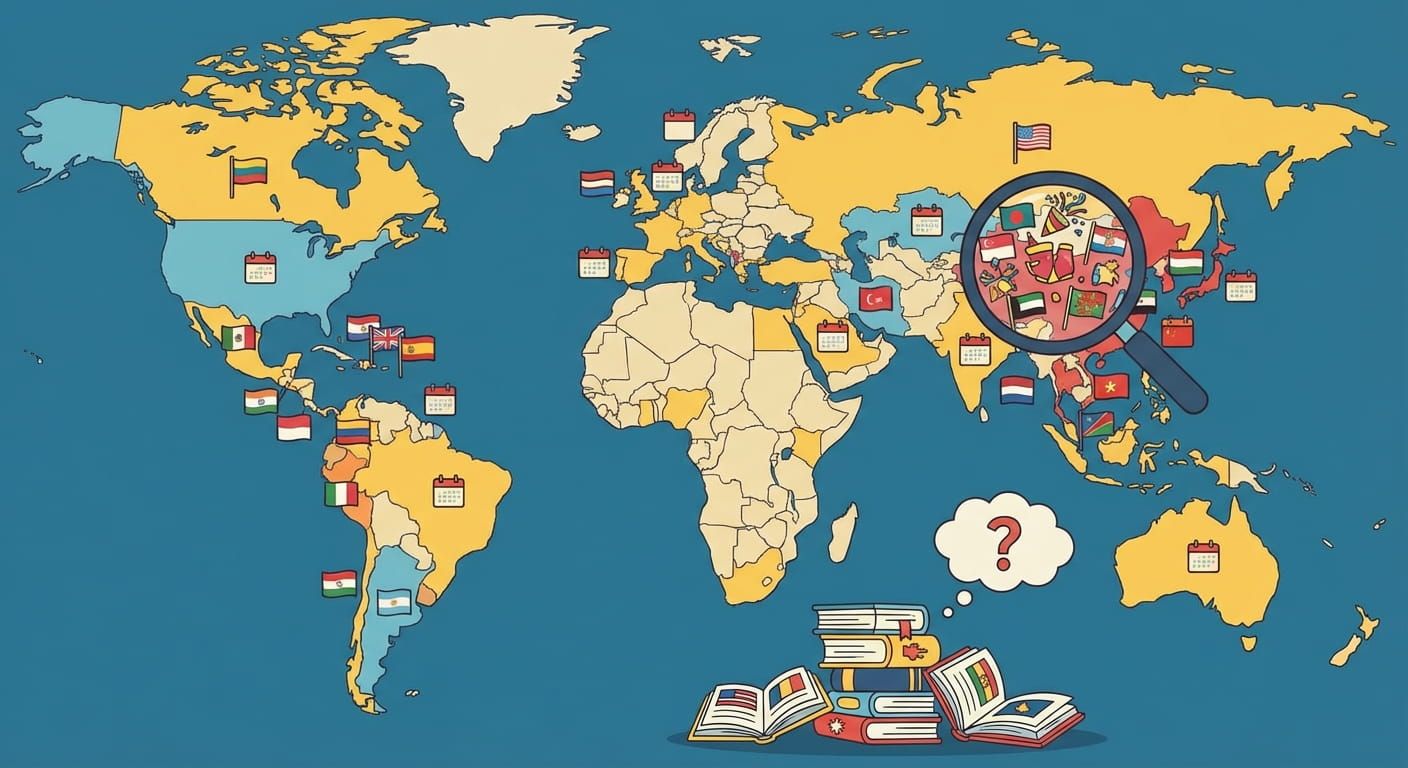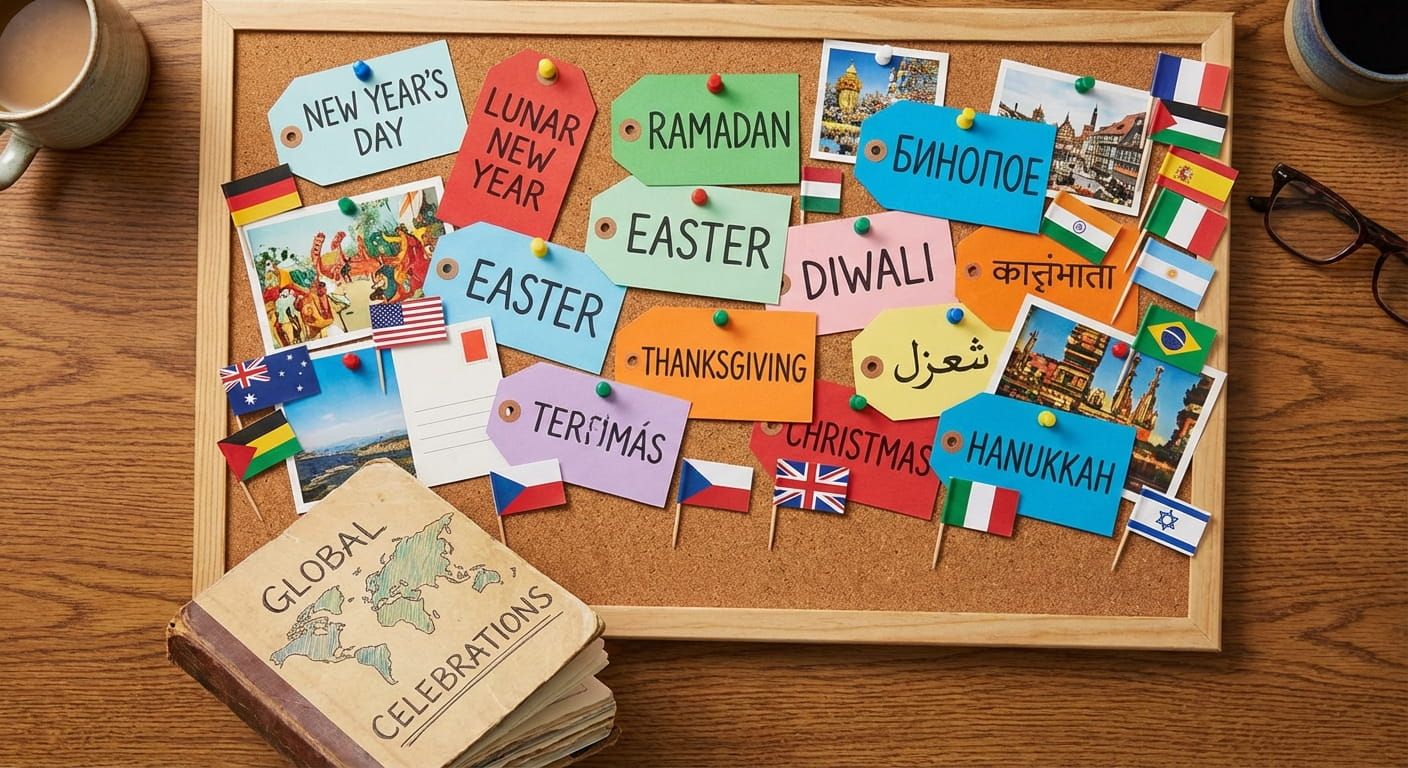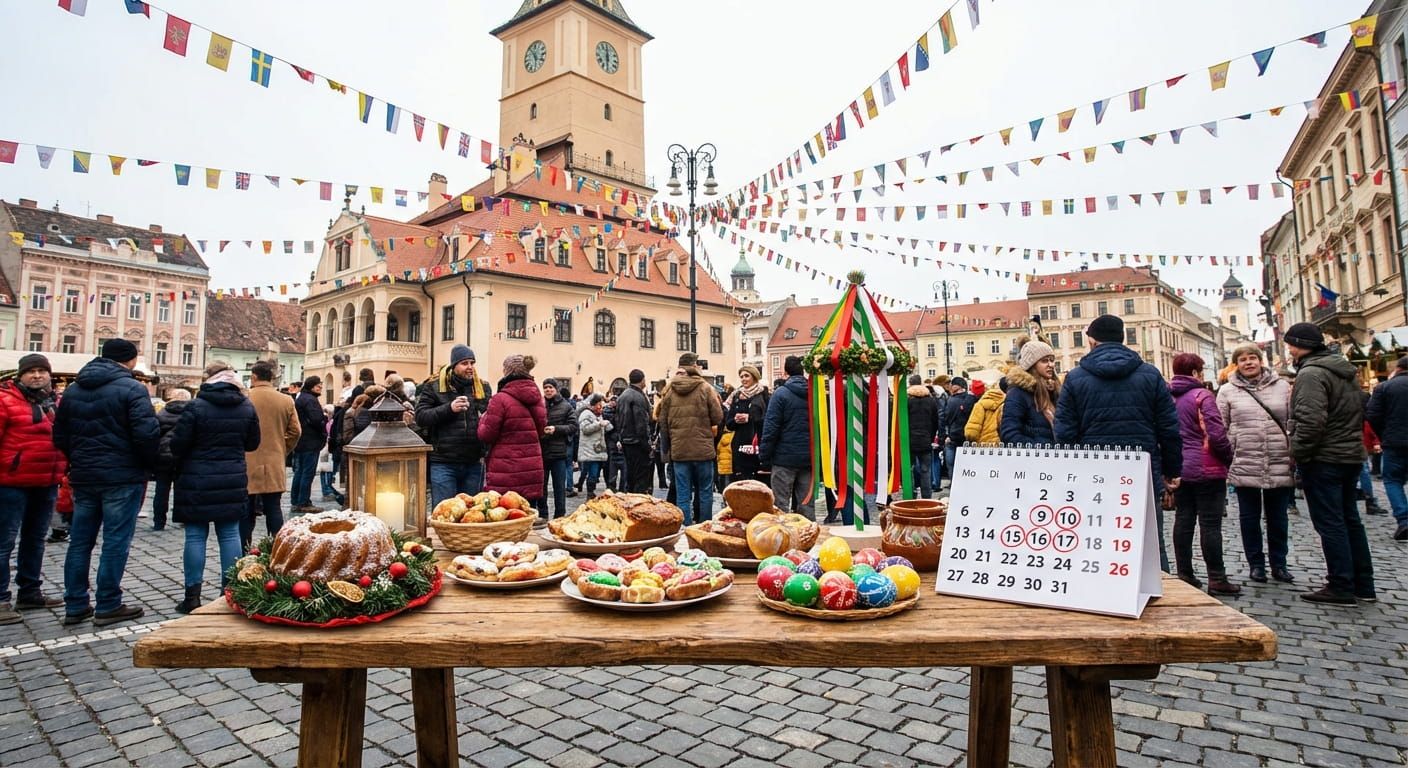
The calendar can look simple until a holiday lands on a weekend. Then the questions start. Do you get Monday off. Does the holiday move. Does it change the official date. Why do different countries handle the same situation in completely different ways. Observed dates exist to keep public life moving while still protecting the point of a holiday, time to pause, gather, and mark something meaningful.
Summary
An observed date is the day a holiday is treated as the day off, even when the official holiday date stays the same. Many places observe a holiday on Monday if it falls on Sunday, or on Friday if it falls on Saturday. Some countries move certain holidays by law to create long weekends, while others keep the date fixed and leave work rules to employers. Always check the country and year, because observance rules vary.
Mini knowledge check
Pick an answer, then tap Check. This is a small interactive quiz to help the idea stick.
Question 1 A holiday is on a Sunday and a country follows a Monday observance rule. What changes
Question 2 Which holiday type is most likely to shift by rule because it is tied to a weekday pattern
Question 3 Why do observance rules matter for time planning across regions
Official date vs observed date
A public holiday can have two date ideas living side by side.
- Official date is the date written in law or tradition, often tied to history or religion.
- Observed date is the day the holiday is treated as the day off for schools, banks, and many workplaces.
Sometimes they match. Sometimes they do not. The official date often stays fixed even if the observed day moves. That is why you can see a calendar entry that says a holiday is on a Saturday, while the day off shows up on Friday or Monday.
Simple rule of thumb
If you are asking, what day do people get off, you are asking about the observed date. If you are asking, what date is the holiday on, you are asking about the official date.
Why observance rules exist
A day off has real impact. Transport schedules shift. Government offices close. Call centers run skeleton staffing. Courts pause. Delivery times stretch. Observance rules are a practical way to keep the spirit of the holiday while avoiding a situation where the holiday becomes invisible because it fell on a weekend.
They also support fairness. If most people work Monday to Friday, then a Saturday holiday can feel like a missed benefit. Observance helps balance that. Not every country agrees with this idea, yet many use it for at least some holidays.
Time.you focuses on precise time across the world, with atomic clock synchronized time that helps you plan across cities and time zones. Holiday observance is part of that planning puzzle, because a time difference means little if the office you need is closed for a local observed holiday.
The most common observance patterns
Countries and territories tend to use a few repeating patterns. These patterns can be mixed, and some holidays may follow one pattern while others follow another.
- Monday after a Sunday holiday A holiday that lands on Sunday is observed on Monday.
- Friday before a Saturday holiday A holiday that lands on Saturday is observed on Friday.
- Nearest weekday The holiday is observed on the closest weekday, Friday or Monday.
- Substitution day A special substitute day is declared, often common where many holidays can land on weekends.
- Move to Monday by design Some holidays are purposely placed on a Monday each year, so the question never arises.
These rules can feel similar, yet they create different outcomes. Nearest weekday can move both Saturday and Sunday holidays, while Monday after Sunday only moves one case. Substitution day can also apply when a holiday overlaps another holiday.
Floating holidays and why they behave differently
Not all holidays are fixed to a calendar date. Some are tied to a weekday rule. Think of holidays that are always on a Monday, or always on the third Monday of a month. These already create a long weekend by design.
Floating holidays often reduce the need for observance. Yet they can still interact with observance rules if the day is declared but conflicts with another national event. Rules can also vary by region inside the same country.
How weekends and workweeks change the answer
A key detail is the local workweek. Many places use Monday to Friday. Some use Sunday to Thursday. Some industries run on rotating shifts.
That means the same official date can produce different practical outcomes. A Friday observance makes sense if Friday is part of the weekend. A Monday observance makes sense if Monday starts the workweek. Countries design observance rules around how most people live and work.
Observed dates across a few familiar places
Examples make this clear. These are general patterns, not legal guarantees for every year or every region, so always check the country page for the year you care about.
- United States Many holidays are already Monday based, and some fixed date holidays may be observed on a nearby weekday. Planning ahead with United States holidays helps because observance is usually what affects closures.
- Japan Japan has a well known substitute holiday approach in certain cases, and it also has holidays placed on Mondays by rule. If you are coordinating travel or a meeting, Japan holidays is the fast way to confirm the observed day off.
- Australia Observance can vary by state and territory, which means one city may be open while another is closed. Checking Australia holidays can prevent surprise downtime.
- Singapore Observance is a big part of real world planning because many offices coordinate tightly around public holidays. Singapore holidays gives the dates people actually treat as the break.
A note on bank holidays
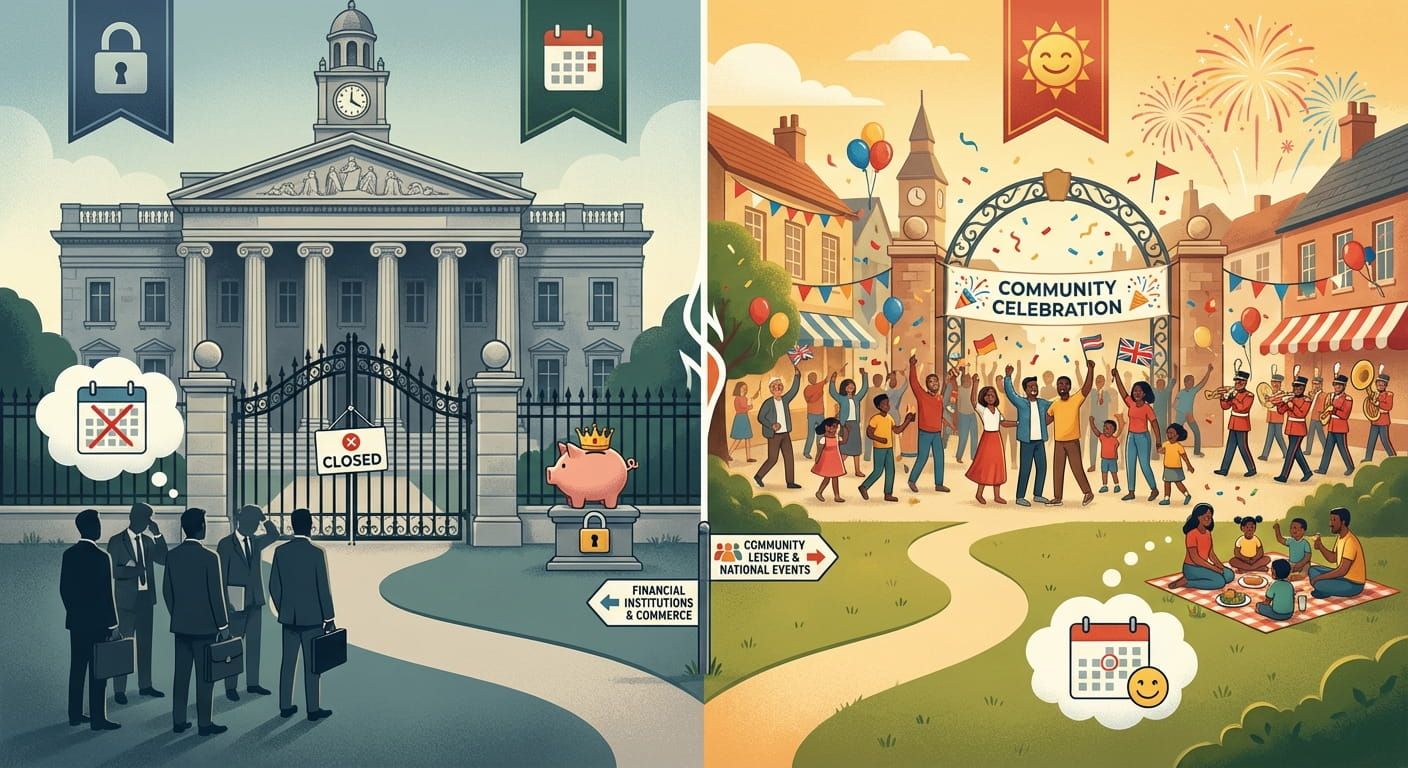
Some places use bank holidays that target financial institutions and government services, while other public holidays are broader. That difference can change which services pause on an observed day. A deeper explanation lives at difference between bank and public holidays.
A clear view of observance rules
The table below shows common rule types and what they usually do. Colors are intentionally muted and professional, and no blue is used.
| Rule type | If holiday is on Saturday | If holiday is on Sunday | What you will see on calendars |
|---|---|---|---|
| Monday after Sunday | Often no change | Observed Monday | Official date stays, observed label may appear |
| Friday before Saturday | Observed Friday | Often no change | Day off shifts earlier, official date stays |
| Nearest weekday | Observed Friday | Observed Monday | Often shown as observed date, sometimes both dates listed |
| Substitution day | A substitute weekday may be named | A substitute weekday may be named | Extra label like substitute or observed |
| Always on a weekday | Not applicable | Not applicable | No observed shift needed |
What changes for workers and employers
Observed dates are not only a calendar detail, they can affect pay, overtime, leave rules, and staffing. Some countries treat the observed day as the legal public holiday for employment purposes. Others treat the official date as the legal holiday even if offices commonly close on a different day. Some treat both dates in different ways depending on sector.
In many places, your workplace policy fills in the gaps. That is why it helps to understand both the country rule and the employer rule. If you want a practical workplace focused explanation, employee rights public holidays covers common questions people ask about pay and entitlement.
How observed dates affect travel, meetings, and deadlines
Observed dates can quietly break plans. A flight is still a flight, yet ground services can be lighter. Museums can close. Freight can slow. Support tickets can take longer. International teams can also misread each other when one side only knows the official date and the other only tracks the observed day off.
A good habit is to check the holiday list for the city or country you will depend on, then confirm the time difference. Time.you is built for that second part, exact time by time zone with atomic clock synchronized time, so your schedule stays accurate down to the minute. Observed holidays are the human layer that sits on top of the clock.
How Time.you presents holidays and observed dates
Most readers want a simple answer, is it a day off, and if yes, which date. A good holidays page should help with both the official date and the observed date, plus the day of week. That lets you plan work, school, travel, and reminders.
If you like comparing holiday heavy calendars, most public holidays offers context on how different countries stack up through a year. It also makes it obvious why observance patterns matter, because the more holidays you have, the more weekend collisions you can get.
Common misunderstandings that cause real confusion
These are the mix ups that show up again and again.
- Thinking the holiday moved Often the holiday did not move, the day off moved.
- Assuming every country uses Monday Many do, many do not.
- Forgetting regional rules Some countries have state or province differences.
- Mixing bank closures with general closures Banks can close when other businesses stay open.
- Missing overlapping holidays One holiday can push another observance day, depending on local law.
Calendar tip
Add the observed day off to your reminders, not only the official date. That is the date that changes transport, office hours, and response times.
How to check observed dates the right way
If you only remember one method, make it this simple three step check.
- Pick the country or territory A rule in one place can be the opposite somewhere else.
- Pick the year Governments can declare one off changes, and new rules can start in a specific year.
- Look for the label Calendars may say observed, substitute, or day off. That label is the practical answer.
If you are managing a team across several places, repeat that check for each location. It feels repetitive, yet it prevents the classic problem where a deadline is set on a day when half the people are offline.
Observed dates and long weekends
Many observance systems quietly create long weekends. That can be great for rest and travel, yet it also concentrates closures around the same time. If you handle logistics, customer support, or cross border payments, long weekends can create a backlog.
Some countries intentionally shift certain holidays to Monday to spread these long weekends through the year. Others keep holidays on the historic date and only add an observed day when the holiday would otherwise be missed by most workers.
Countries with different weekend days
A final nuance, weekend days are not universal. In places where the weekend is Friday and Saturday, a Sunday holiday behaves differently than it would in a Monday to Friday work culture. Observance rules often reflect that local rhythm.
If you are coordinating across a mix of regions, check local weekend structure along with the holiday list. The combination tells you which days are likely to be quiet.
A calm way to plan around observed holidays
Observed dates are not a trick, they are a planning tool. They protect the meaning of a holiday while keeping the week functional. Once you separate official date from observed day off, the pattern becomes easy to read.
Use a country and year specific holiday list, then pair it with precise time zone checking so meetings and deadlines land on real working days. Time.you exists for that, accurate time everywhere, paired with practical holiday information, so your schedule matches how people actually live.