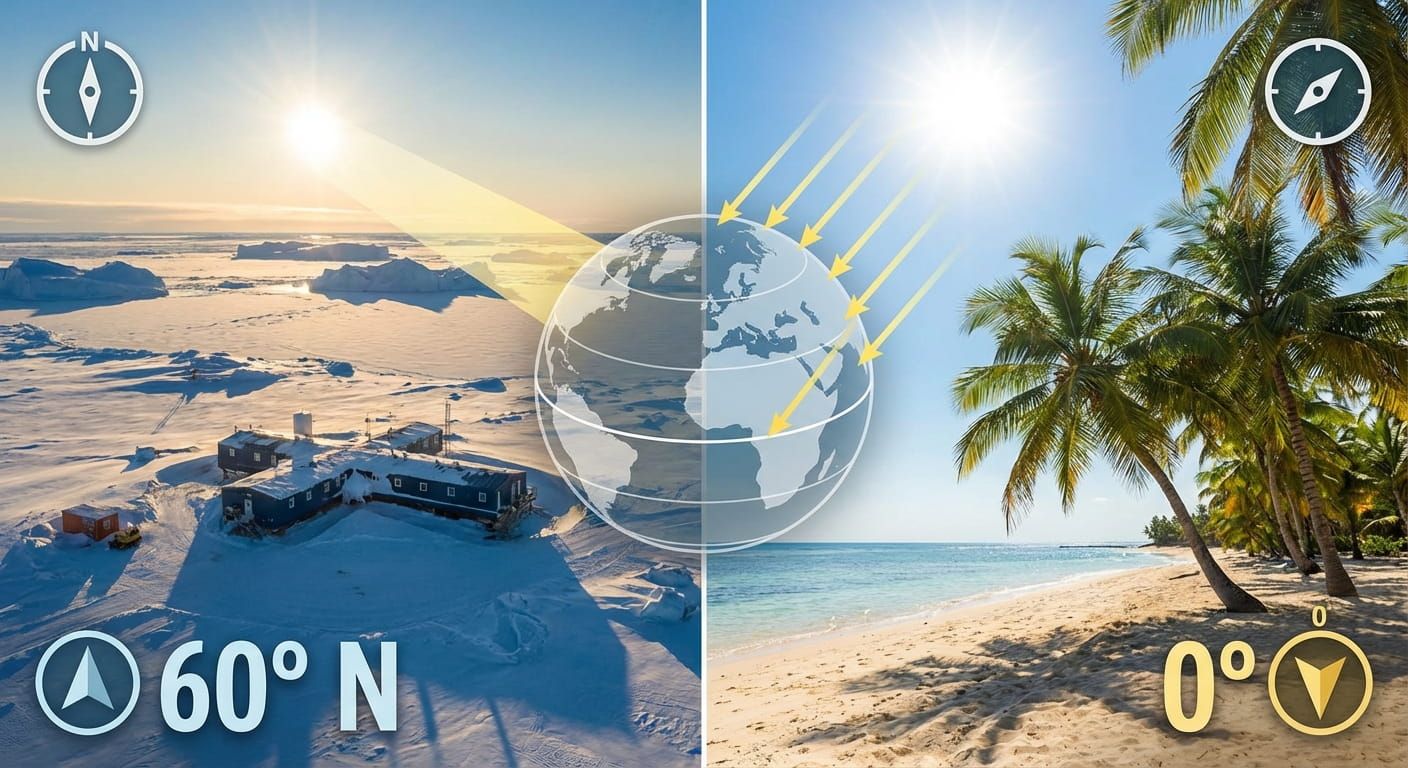
Stand on a beach in Ecuador at sunset and it feels almost predictable. Visit northern Norway in summer and the idea of bedtime can feel optional. Those two moments are part of the same story, daylight is shaped by where you are on Earth, what month it is, and how humans decide to label time on the clock.
Global daylight patterns change mainly because Earth is tilted, not because the Sun changes. Latitude controls how fast day length grows or shrinks through the year. Near the equator, daylight stays close to twelve hours. In mid latitudes, seasons swing the clock by several hours. Near the poles, daylight can last all day in summer and vanish in winter, creating the most dramatic differences.
A short quiz to test your daylight instincts
Pick an answer for each question, then press Check answers.
Why daylight feels different from place to place
Daylight is the time between sunrise and sunset. It sounds simple, yet it shifts in ways that surprise people when they travel. The big driver is geometry. Earth is a sphere, and it rotates once each day. If Earth had no tilt, every location would get roughly the same day length year round, with small differences caused by the atmosphere and how we define sunrise and sunset. But Earth is tilted. That tilt means the Sun appears higher in the sky for part of the year in one hemisphere and lower in the other. Higher Sun angles keep the Sun above the horizon longer. Lower angles shorten the day. This is why the longest and shortest days happen at different times north and south of the equator.
There is also a difference between daylight and sunlight you can actually use. A cloudy day can be bright yet feel dim. A clear winter day can feel sharp and clean even when it is short. The clock time of sunrise and sunset can also look strange when time zones stretch wide or when a country chooses daylight saving time. Still, the core pattern stays the same: latitude sets the range, and season sets the direction.
Latitude decides how much daylight can change. The season decides when that change happens.
Latitude is the main dial on the daylight machine
Think of latitude as your distance from the equator. At the equator, sunrise and sunset stay close to the same times all year. Move away from it and the seasonal swing grows. By the time you reach mid latitudes, the swing can be several hours between winter and summer. Reach the Arctic or Antarctic circles and the concept of a normal day starts to fade, because the Sun can stay up for a full day or stay below the horizon for a full day.
This happens because of how Earth is lit by the Sun. In summer for a hemisphere, that half of Earth tilts toward the Sun. The circle that divides day and night cuts across the globe in a way that gives longer arcs of daylight to higher latitudes in that hemisphere. In winter, the opposite happens, those arcs shrink. If you like browsing by region, the location hubs on global regions and geographic classifications are a helpful way to jump between daylight patterns without losing the thread.
Latitude also changes the angle of the Sun. Near the equator, the Sun can pass high overhead. In high latitudes, even midday Sun can hug the horizon. A low Sun angle spreads light across more atmosphere, which can soften brightness and shift colors. This is part of why long northern sunsets can last a long time.
Seasons come from tilt, not distance
A common myth is that summer happens when Earth is closer to the Sun. Earth does have a slightly oval orbit, but it is not the key reason for seasons. The tilt is. The tilt changes how directly sunlight hits a region and how long the Sun stays above the horizon. Directness matters because a higher Sun concentrates energy on a smaller area. Duration matters because more hours of Sun means more time for warming.
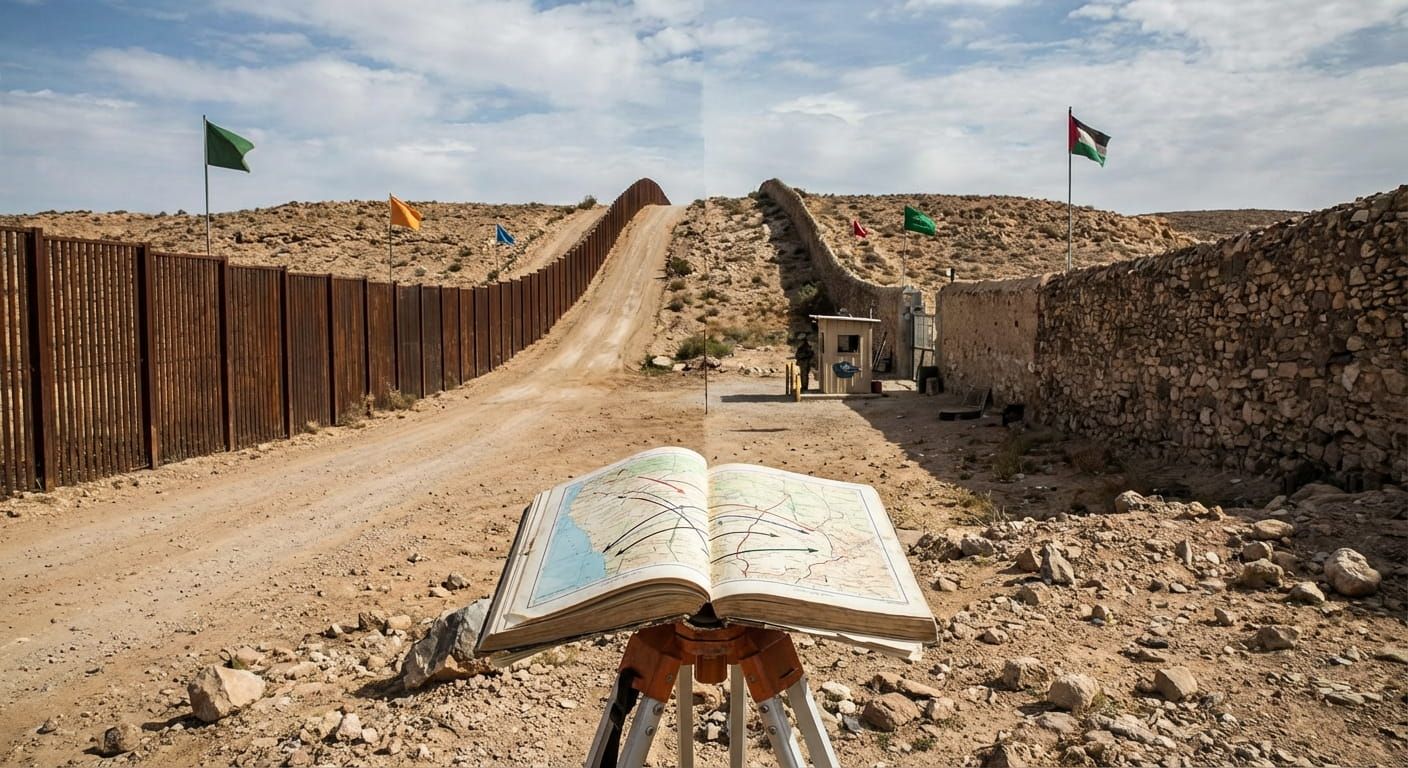
Day length changes most quickly around the equinoxes. That is when neither hemisphere tilts strongly toward the Sun. Around the solstices, day length changes more slowly, because you are near the peak or the valley of the seasonal curve. If you want to connect the sky story to borders and jurisdiction choices, the overview on political geography and national borders adds context for why clock rules do not always follow neat lines.
Patterns near the equator and within the tropics
Near the equator, day length stays close to twelve hours. The biggest change you notice is often the timing of the rainy season rather than the length of the day. Twilight can also feel shorter than in higher latitudes, because the Sun drops more steeply below the horizon. That steep path makes sunrise and sunset feel crisp.
Within the tropics, day length still stays fairly steady, but the Sun’s position shifts north and south across the year. Some locations see the Sun pass nearly overhead at certain times, which can make midday shadows shrink dramatically. Even with steady day length, the quality of light changes with the Sun’s height and with seasonal cloud patterns.
Mid latitude living, where seasons shape daily routines
Most people live in mid latitudes, and this is where the daylight story feels most familiar: long days in summer, short days in winter. The range can be big enough to change how a city runs. Commutes shift from dark mornings to bright ones. Parks fill up later in the evening in summer. Winter can push outdoor time into weekends or lunch breaks.
Mid latitudes also make time zones feel noticeable. A city on the western edge of its time zone can have later sunrises and later sunsets than a city on the eastern edge, even if they share the same clock time. This is not a change in day length, it is a change in how we label the same Sun position with the clock. You can see this in action by comparing two different hubs, United States and France, where time zone structure and latitude combine in different ways.
High latitude extremes, midnight Sun and polar night
As you move into high latitudes, day length can stretch beyond what many people imagine. In summer, the Sun can stay above the horizon for very long stretches. In winter, daylight can shrink to a short window, and in some places the Sun does not rise at all for a period of time. This can affect mood, sleep, and daily structure. It can also create beautiful light. When the Sun stays low, the warm tones of sunrise and sunset can linger, and twilight can last for hours.
High latitude regions also show how different daylight and warmth can be. A long day does not always mean a warm day. If the Sun is low, the energy is spread out. Snow and ice can reflect light back into the sky, making the world look bright even when the air feels cold.
Local geography adds texture to the global pattern
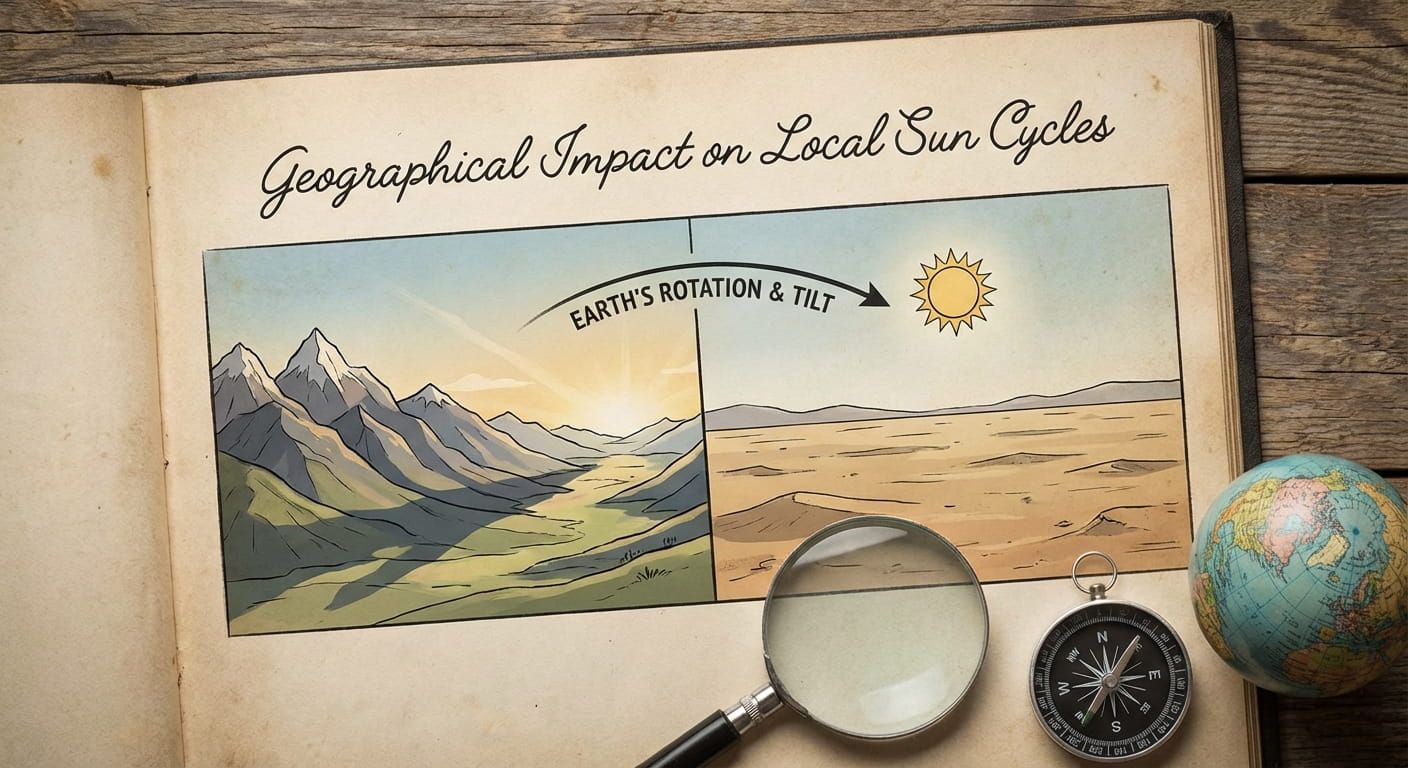
Latitude and season explain most of daylight, yet local geography shapes how it feels. Mountains can block the first light of sunrise and cut off the last light at sunset. Valleys can stay shaded longer. Coastal regions often have milder temperatures and different cloud patterns than inland areas, which changes the experience of brightness even when day length is the same. If you want a deeper look at how sunrise and sunset behave locally, the write up on the geographical impact on local Sun cycles fits naturally with what you are reading here.
Air clarity matters too. Dry air can make sunlight feel sharper. Humid air can soften contrast. Dust, smoke, and sea spray can turn sunsets vivid. None of this changes the official time of sunrise and sunset, but it changes how daylight looks and how long it feels.
Time zones, the clock, and the feeling of early or late daylight
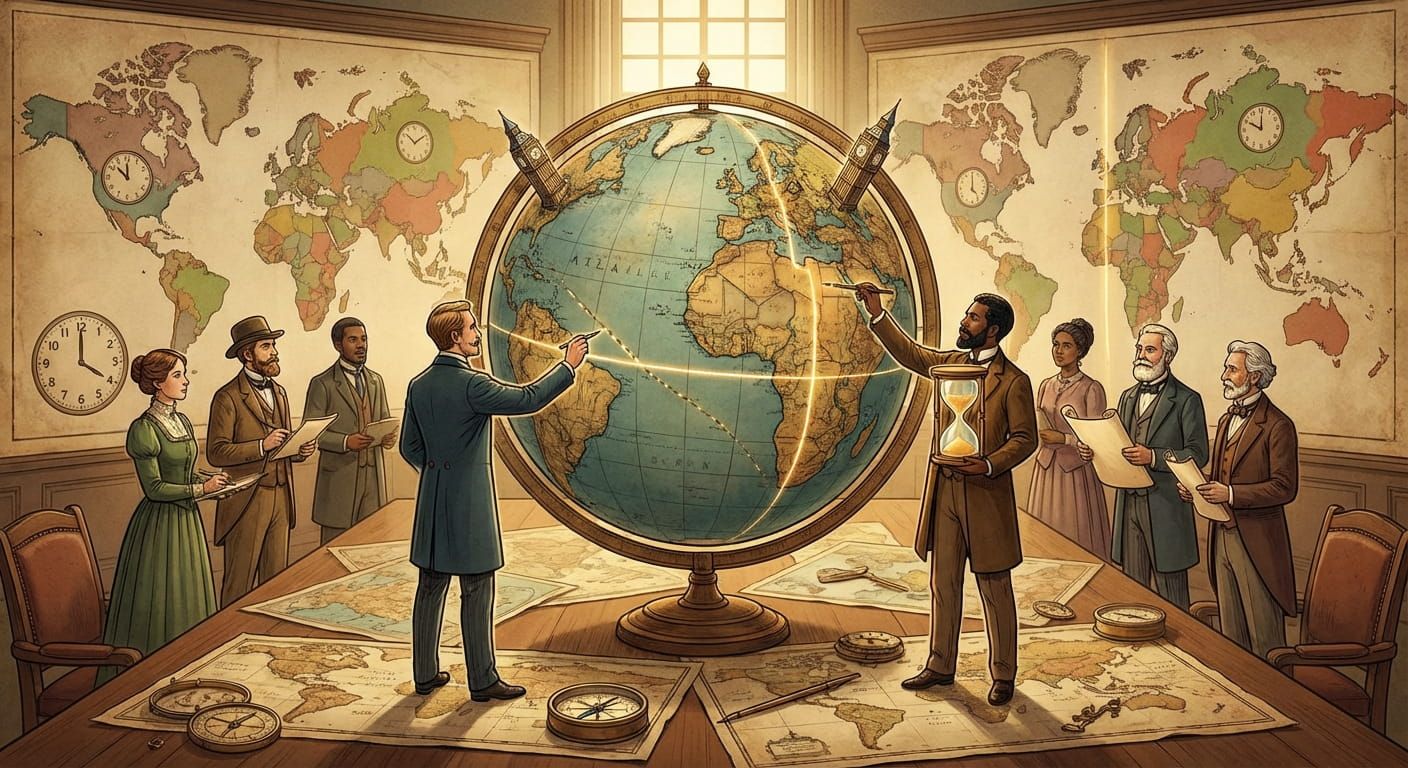
Daylight patterns are physical. Time zones are human. We created time zones to coordinate schedules, travel, and communication. A time zone is usually based on longitude, yet borders and politics often shape the final choice. This can make sunrise and sunset appear early or late compared to what someone expects from a map. The backgrounder on how nations set boundaries for time connects these choices to everyday life.
Here is a simple way to think about it. Two cities at the same latitude can have the same day length on the same date. Yet if one sits farther west within a time zone, its sunrise and sunset will show up later on the clock. This is one reason evenings can feel long in some places even when day length is not unusual, the clock is labeling the Sun’s position differently.
Daylight saving time, a seasonal shift in the clock label
Some places change the clock seasonally. This does not create more daylight. It shifts when people experience it. A summer clock change tends to put more daylight into the evening, which can feel better for after school sports, outdoor dining, and walks. The trade off is darker mornings, especially early in the season and in higher latitudes.
Because daylight saving policies vary by country and region, sunrise and sunset times can differ sharply across borders even when the Sun pattern is similar. This can surprise travelers, especially during spring and autumn transitions.
Regional daylight snapshots that help you picture the planet
If you want a quick mental map of daylight patterns, these regional snapshots help. Each one focuses on the typical shape of day length change, not the exact minutes for a specific city. The way cities connect to trade, travel, and time coordination can also shape how people experience evening life, which is why the article on strategic importance of major global city hubs pairs well with daylight planning.
- Equatorial belt, day length stays close to twelve hours, sunrise and sunset stay fairly stable.
- Tropical zones, small day length changes, bigger changes in Sun height and seasonal weather.
- Temperate mid latitudes, clear seasonal swings, longer evenings in summer, short winter days.
- Subarctic and subantarctic, large swings, very long summer days and very short winter days.
- Polar regions, periods of continuous daylight and continuous darkness, long twilight transitions.
A checklist for reading daylight anywhere
Daylight data is easier to understand when you use the same questions each time. This numbered list works for a city, a country, or a remote island.
- Check the latitude. Closer to the equator means steadier day length. Higher latitude means bigger seasonal swings.
- Check the date. Near solstices, day length is near its maximum or minimum. Near equinoxes, it changes faster day to day.
- Check the hemisphere. June favors longer days in the north. December favors longer days in the south.
- Check the time zone placement. Western edge means later sunrise and later sunset on the clock, eastern edge means earlier times.
- Check daylight saving rules. A clock change shifts sunrise and sunset times by the rule, not by the Sun.
- Check local terrain. Mountains and valleys can change the first and last visible light even when official times stay the same.
Regional daylight patterns
| Region type | Typical day length range through the year | What sunrise and sunset feel like | Common surprises |
|---|---|---|---|
| Equatorial | Very close to twelve hours most days | Fast transitions, twilight can feel short | Weather drives daily light more than season |
| Tropical | Small change, often under two hours total swing | Bright midday Sun, strong shadow changes | Sun height shifts more than day length |
| Mid latitude | Large seasonal swing, often several hours | Long summer evenings, short winter afternoons | Time zone edges change clock times a lot |
| High latitude | Very large swing, extreme daylight in summer | Slow sunsets, long twilight, low Sun angles | Long daylight can still feel cool |
| Polar | Periods of all day light and all day dark | Twilight can last a long time | The clock feels less meaningful than the sky |
How daylight patterns shape daily life around the world
Daylight is not only a science topic, it shapes habits. In places with steady day length, routines can stay consistent. Schools, markets, and outdoor life often follow a stable rhythm. In places with big seasonal swings, people adapt. Summer schedules stretch later. Winter schedules compress. Communities plan festivals, work hours, and travel around light as much as around temperature.
There is also an emotional side. Short winter days can feel heavy for some people. Long summer days can feel energizing for some people and exhausting for others, especially when sleep is light and the sky stays bright late. Blackout curtains, morning light walks, and consistent bedtimes can help, but the first step is simply knowing what the local daylight pattern does.
Twilight, the hidden extra that makes evenings feel longer
Sunrise and sunset times mark when the Sun crosses the horizon, yet the sky can stay bright long before and long after. Twilight is the period when the Sun is below the horizon but still lights the sky. Twilight length depends on latitude and season. Near the equator, the Sun drops steeply, so twilight can be brief. In high latitudes, the Sun slides at a shallow angle, so twilight can stretch.
This is why two places can have the same day length and still feel different in the evening. One place might have a quick drop into darkness. Another might have a long gentle fade. If you care about outdoor time, photography, or evening exercise, twilight can matter as much as official day length.
International Date Line and remote places that bend your calendar
Daylight itself does not change when you cross the International Date Line, but your calendar does. That can make travel feel strange, you can land and find it is a different day even though the Sun looks familiar. The story gets even more interesting in remote territories and far flung islands, where time decisions are sometimes made to match nearby trade partners rather than nearby longitude. The walk through international date line and remote territories adds that missing layer when daylight and the calendar do not seem to match.
Carrying the daylight map with you
Regional differences in global daylight patterns are not random, they are predictable once you track three things: latitude, season, and the clock choices humans make. The sky becomes easier to read. A winter visit to a northern city stops feeling mysterious and starts feeling like a known curve. A summer evening that stretches late stops feeling like a trick and starts feeling like geometry playing out on a tilted planet. The more you notice it, the more useful it becomes, for planning, for comfort, and for enjoying the hours you have.