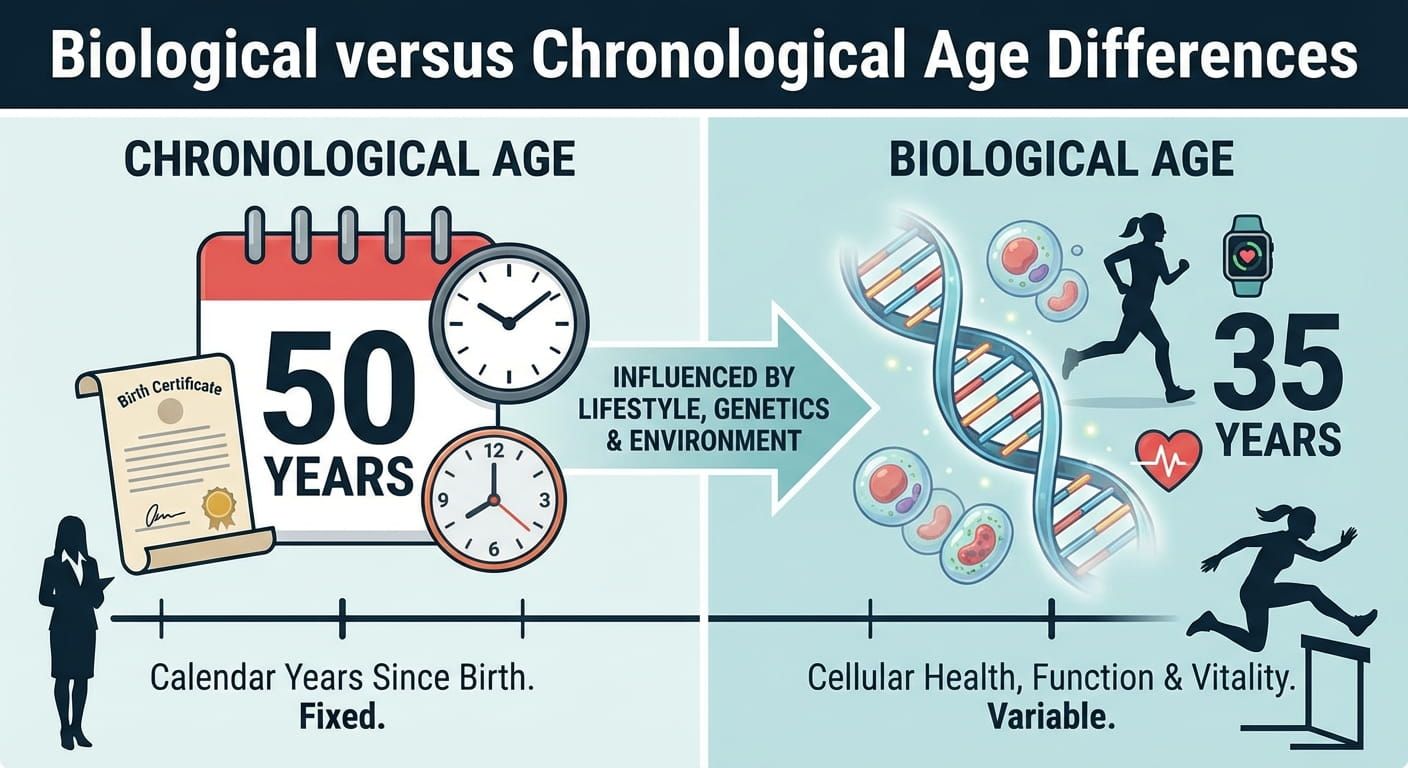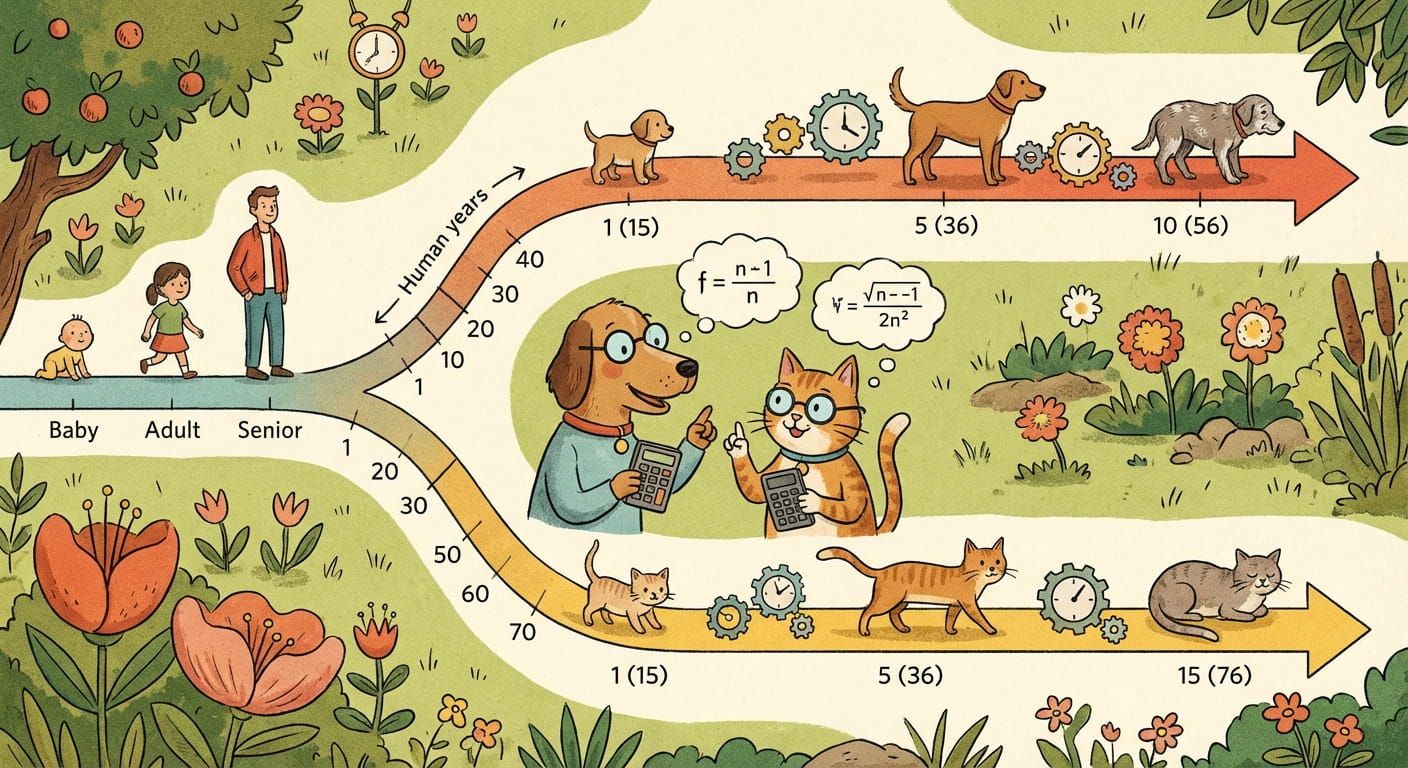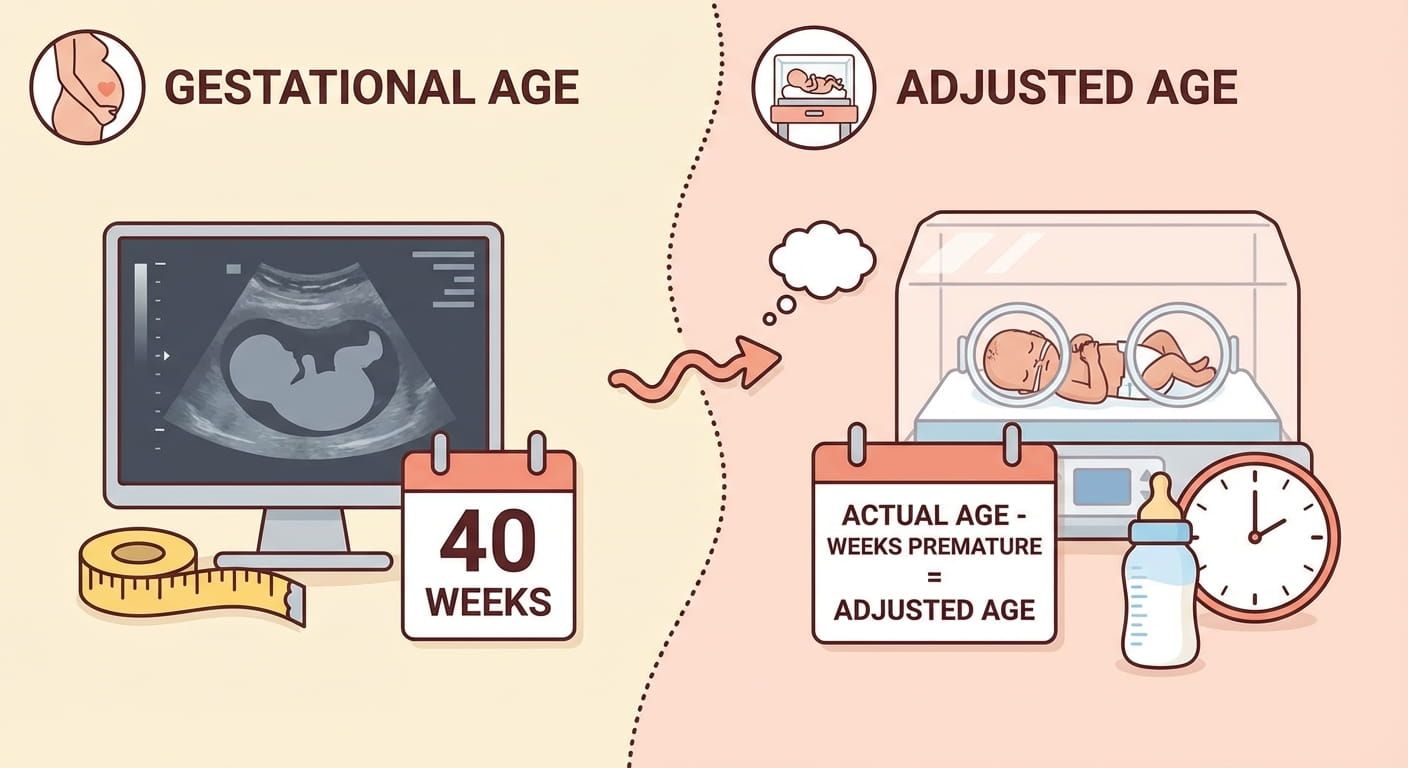
Age gaps come up in real moments, planning birthdays, filling out forms, comparing siblings in school, or settling a friendly debate. The math is simple, but the calendar has quirks. Month lengths change. Leap years exist. Birthdays might not have happened yet. This guide shows dependable ways to calculate age gaps, and how to choose the version that fits what you are trying to say.
An age gap is safest when you compare full birthdates, not just birth years. Decide if you need an exact gap in years, months, and days, or a simple whole years apart answer. For exact results, count years first, then months, then days. For whole years, check whether each birthday has happened yet on the date you care about. Watch leap day birthdays and time zone date shifts.
Calculate the difference
Want a clean answer in years, months, and days without manual counting? Use the tool, enter two birthdates, and get a consistent age gap that you can share or save.
Calculate the age gap nowA quiz to check your instincts
These questions mirror the situations that cause most age gap confusion. The results show what kind of calculation fits your goal.
Choosing the age gap format that matches your situation
Age gap questions sound the same, but the right answer depends on what the number will be used for. These are the common formats people mean:
- Exact calendar gap, years, months, days, best for records and planning.
- Whole years apart, the difference in completed birthdays, best for casual comparisons.
- Gap on a specific day, a snapshot, best for eligibility dates and event timelines.
- Days or weeks, best for newborns, tight timelines, and scheduling.
If you can add one sentence to your answer, add the measurement date. “As of this date” removes most misunderstandings.
The dependable step by step method for exact age gaps
If you want an exact result, treat the gap as a calendar difference. This is the method that stays stable across month length changes.
- Write both birthdates in one clear format. Day, month, year is safest.
- Decide the direction. Older to younger gives a positive gap.
- Count full years first. Add one year at a time until the next year step would go past the later date.
- Count full months next. Add one month at a time until the next month step would go past.
- Count remaining days. The remaining span is the day count.
This method is easy to check because every part stays non negative. If you end up with a negative month or negative day, it means one borrow step is off.
Whole years apart without birthday confusion
Most everyday conversations use whole years apart. This is not the same as subtracting birth years. It is about completed birthdays.
Use this routine:
- Start with the difference between birth years.
- Check if each person has had their birthday yet on the date you are measuring.
- If the younger person has not had their birthday yet, their current age is effectively one lower until that day arrives.
- If you are measuring on a specific date, apply the same logic to both people for that date, not for today.
Two people can be “three years apart” for most of the year, then “two years apart” in the window after one birthday and before the other.
A professional reference table for picking a result
This table helps you choose the output that fits what you are doing.
Time zones and the one day shift that surprises people
Time.you focuses on precise, atomic clock synchronized time across time zones. That accuracy matters when your measurement date depends on where you are. At the same moment, one person can be on a different calendar date than another person in a far away time zone.
To keep age gap answers consistent across locations:
- Choose one reference location for the calculation, usually where the event happens.
- Use the calendar date in that location as the measurement date.
- If you are coordinating across many cities, confirm the reference moment using a single world clock view.
Leap day birthdays and clear conventions
Leap day birthdays do not change the real age gap, but they can change how people describe the birthday in non leap years. Two conventions are common: celebrating on Feb 28, or celebrating on Mar 1. Either can be fine. The important part is using one rule consistently when you compute age on a specific date.
For precise work, treat it as a date difference problem and avoid forcing Feb 29 into years where it does not exist. That keeps the logic steady.
Month length traps and why day based shortcuts fail
Months are uneven. A month is not “30 days.” A year is not always “365 days.” That is why dividing days by 30 creates awkward answers. It may look neat, but it does not match the calendar people live with.
Better habits:
- Use calendar steps for years and months.
- Use days only when you truly want days only.
- Name the measurement date when context depends on it.
A simple checklist you can reuse every time
- Do you have both full birthdates?
- Do you need exact gap, or whole years apart?
- Do you need the answer for today, or for a different date?
- Are time zones relevant to the measurement date?
- Is Feb 29 involved, and is your convention clear?
Helpful time.you links in one fold out section
If you want more tools and related reading, expand the section below. Each item opens a specific page on time.you.
Open time tools and related pages
- time calculator
- age
- alarm
- stopwatch
- timer
- countdown
- unix time
- epoch converter
- beginner unix time epochs
- military time zones
- clock
- calendar
- week number
- age calculator
- how old was i
- birthday countdown
- age in seconds
- age on other planets
- your age on other planets history
- age milestones
- half birthday
- age retirement
- retirement life milestones
- voting eligibility
- school start
- generation finder
- historical age
- age domain
- gestational age
- adjusted age
- biological vs chronological age
- biological vs chronological age article
- dog age
- cat age
- dog age calculator
- cat age calculator
- dog cat age article
- classroom timer
- countdown timer
- egg timer
- exam timer
- holiday timer
- pomodoro timer
- race timer
- sensory timer
- shutdown timer
- speed timer
- timers and stopwatches improve focus
A final way to keep age gaps simple in real life
Pick one habit and stick to it: always start with full dates, then choose the output style that matches the conversation. When precision matters, state the measurement date and use years, months, and days. When the goal is casual, whole years apart is fine, but expect it to shift around birthdays. That mix of clarity and flexibility keeps age gap math friendly, accurate, and easy to explain.