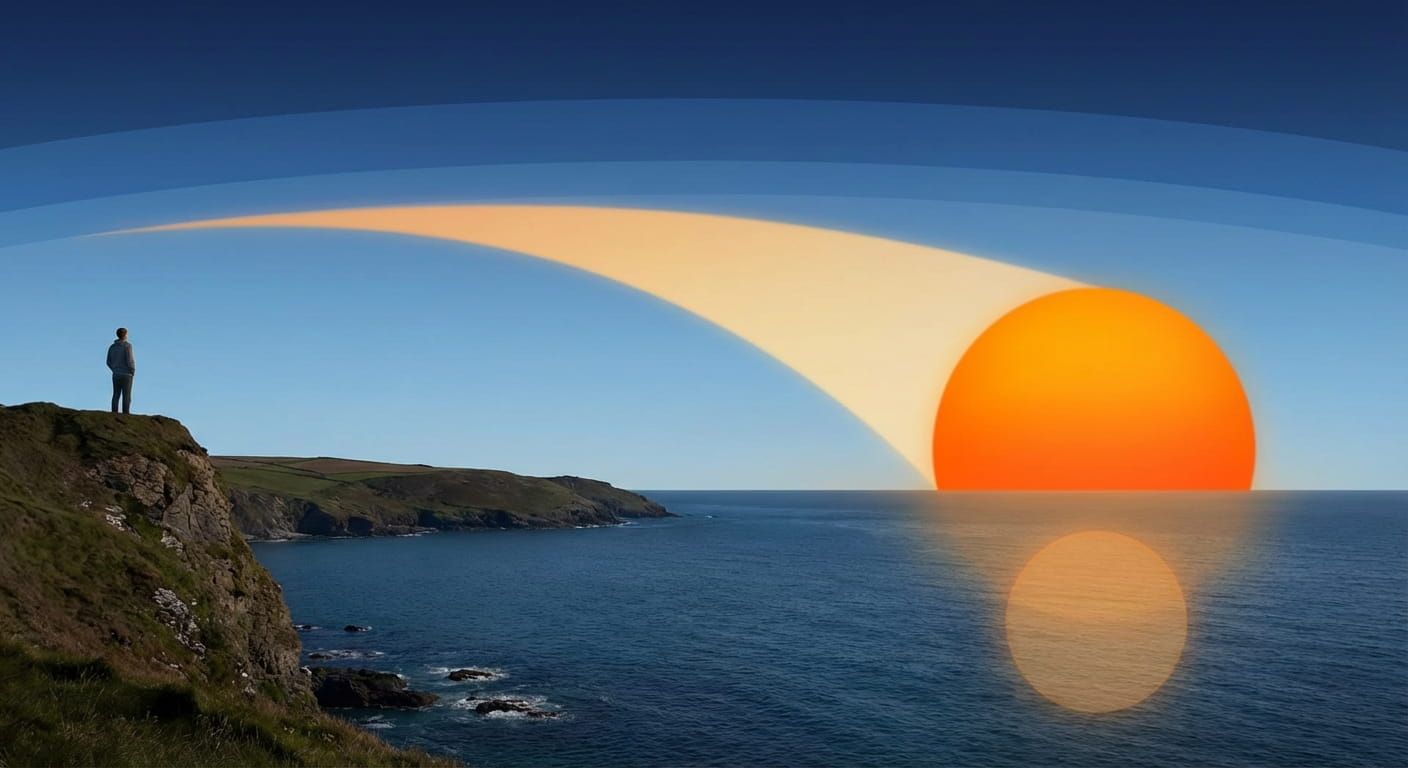
Some days, the sky puts on a show that changes how you feel about time. The light shifts. Shadows look sharper. Birds behave oddly. For a few minutes, you can watch the Sun or Moon move in a way that makes the clock feel less abstract and more real.
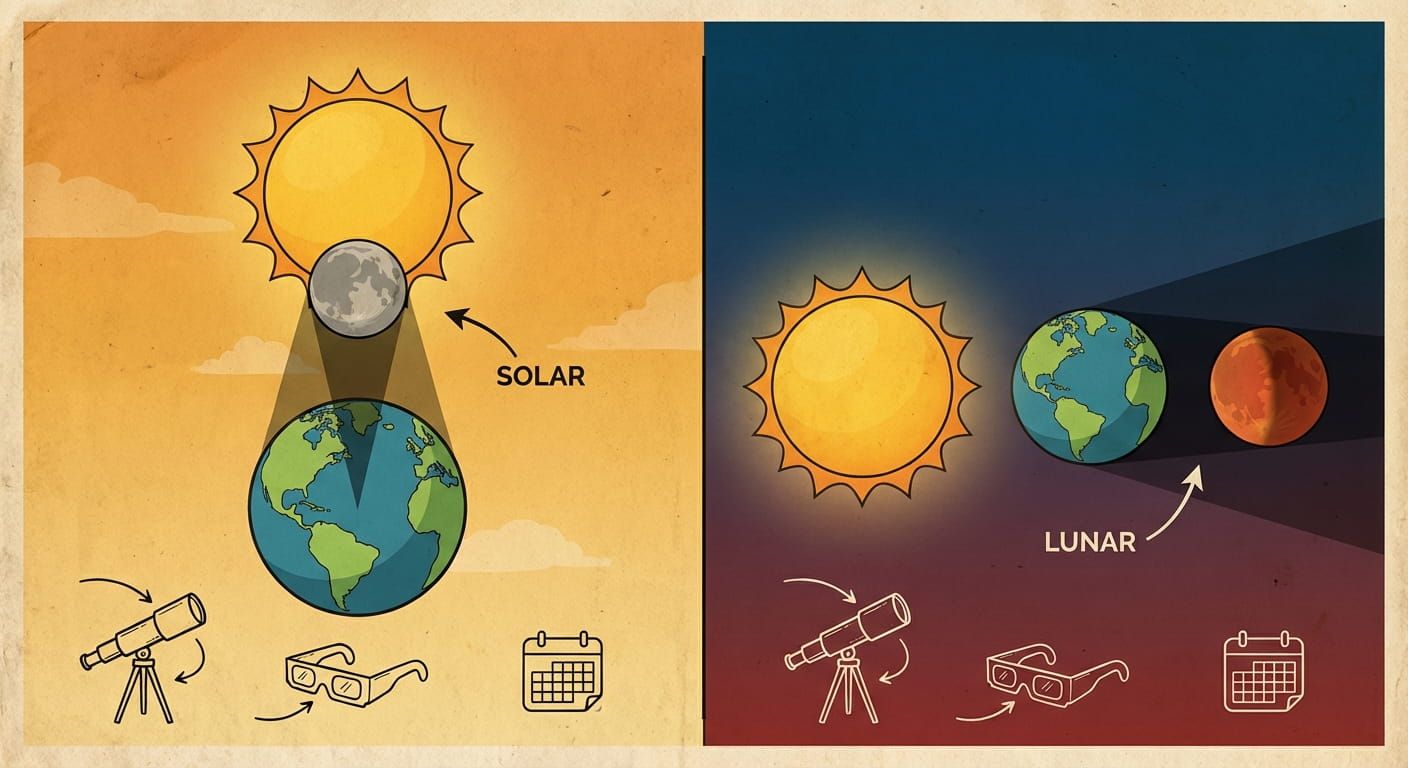
Solar eclipses happen when the Moon lines up between Earth and the Sun, lunar eclipses happen when Earth’s shadow falls on the Moon. What you see depends on where you are and the exact timing of the alignment. Use reliable local time to plan, check visibility for your city, then match eclipse phases to sunrise, sunset, and solar noon for the best viewing light and safe choices.
Tap an answer. You will get feedback right away.
During a partial solar eclipse, which action is safe?
A total lunar eclipse is most likely visible to you when:
How eclipses connect to sunrise, sunset, and solar time
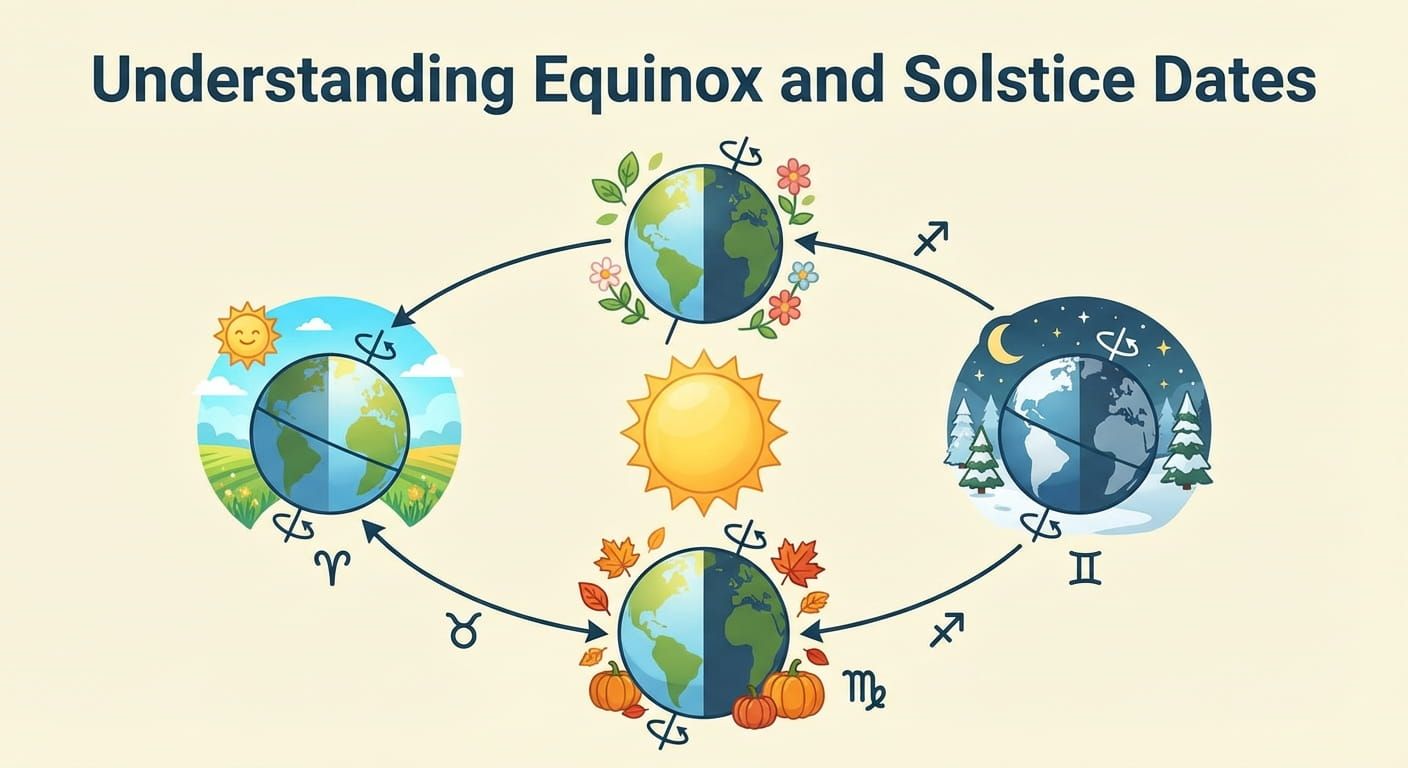
This guide sits inside a bigger story: how sunlight changes through the day and across seasons. An eclipse is not just an astronomy event, it is also a lighting event. The angle of the Sun, the length of the day, and the timing of twilight can make the difference between a calm view and a stressful scramble.
If you already use Time.you to check the exact local time in different places, you have a strong start. Time.you is built around atomic clock synchronized time, which matters because eclipse predictions are pinned to precise moments. The moment of greatest eclipse might happen when your city is in full daylight, deep twilight, or below the horizon. That single detail decides whether you can see anything at all.
Once you know your local time, the next step is to map eclipse phases to your daylight schedule. That is where sunrise and sunset pages help. If you want a fast way to anchor the day, check sunrise times and sunset times for your location, then compare those to the eclipse phase times you are tracking.
Solar eclipses in plain language
A solar eclipse happens when the Moon passes between Earth and the Sun. The Moon casts a shadow onto Earth. If you are inside the darkest part of that shadow, you get totality. If you are in a lighter part, you get a partial eclipse. If you are in a region where the Moon looks slightly smaller than the Sun, you can get an annular eclipse where a bright ring remains.
Think of the Moon’s shadow as a moving spotlight on Earth. You either stand in the center and the Sun is fully covered, or you stand near the edge and only part is covered. The shadow moves fast, timing matters.
Solar eclipse types you will hear about
- Total, the Sun is fully covered for a short time if you are in the narrow path.
- Partial, the Sun looks like a bitten disk, the coverage depends on your location.
- Annular, the Moon covers the center but leaves a bright ring.
- Hybrid, rare, the eclipse looks total in some places and annular in others.
Lunar eclipses and why they feel different
A lunar eclipse happens when Earth lines up between the Sun and the Moon. Earth casts a shadow onto the Moon. This is why lunar eclipses are gentle on the eyes. You can watch them without special filters. They also tend to be visible from a much larger area than a solar eclipse, because anyone on the night side of Earth with the Moon above the horizon can watch.
The Moon can turn coppery or brick toned during totality because some sunlight bends through Earth’s atmosphere and reaches the Moon. The exact color varies with the state of the atmosphere. Dust and clouds around the globe can change the tone you see.
Lunar eclipse stages you may notice
- Penumbral, the Moon dims slightly, many people barely notice at first.
- Partial, a dark bite appears as the umbral shadow moves across the Moon.
- Total, the Moon sits fully inside Earth’s umbra and often looks reddish.
- Exit, the reverse of the above stages as the shadow slides away.
Safety rules that are simple and strict
This part is short on purpose. Your eyes are not replaceable.
- Never look at the Sun directly during any solar eclipse phase without proper protection.
- Regular sunglasses are not safe for direct Sun viewing.
- Use certified eclipse viewers or a solar filter designed for optics if you plan to look through binoculars or a telescope.
- Pinhole projection is a safe option if you want a hands on experience without direct viewing.
- Lunar eclipses are safe to watch with your eyes, binoculars, or a telescope.
Timing that actually helps, solar noon, twilight, and day length
Eclipse pages often give you several timestamps: start, maximum, and end. That is good. The extra layer is knowing what the sky is doing at those moments where you are.
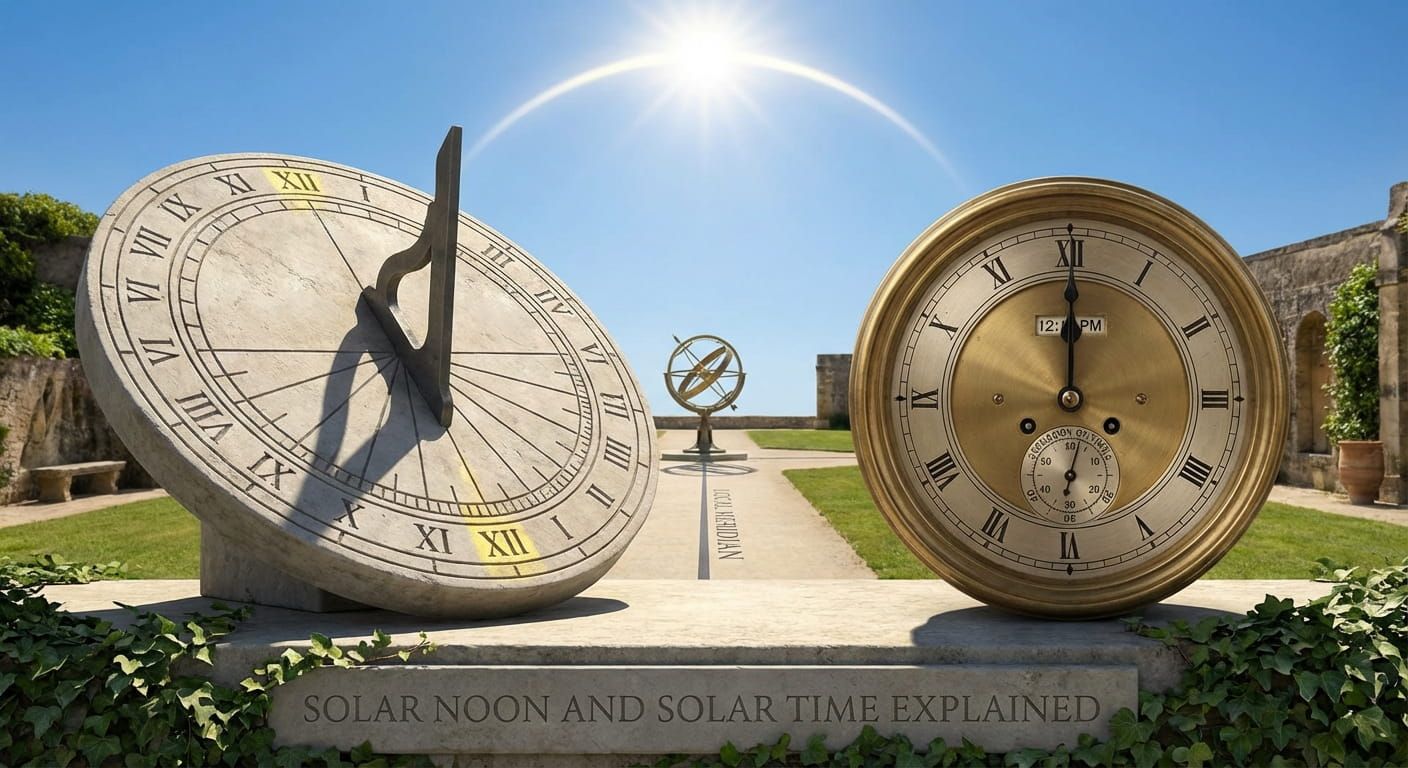
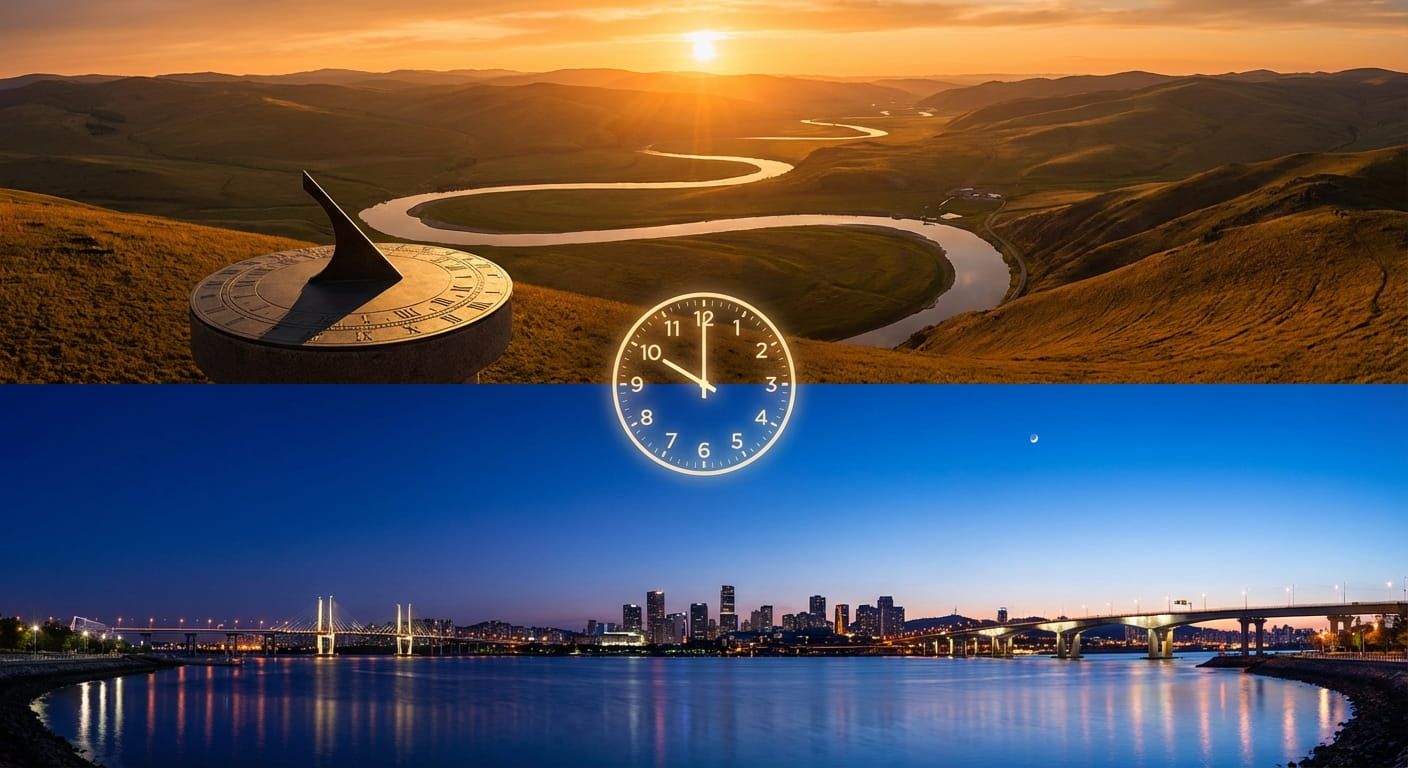
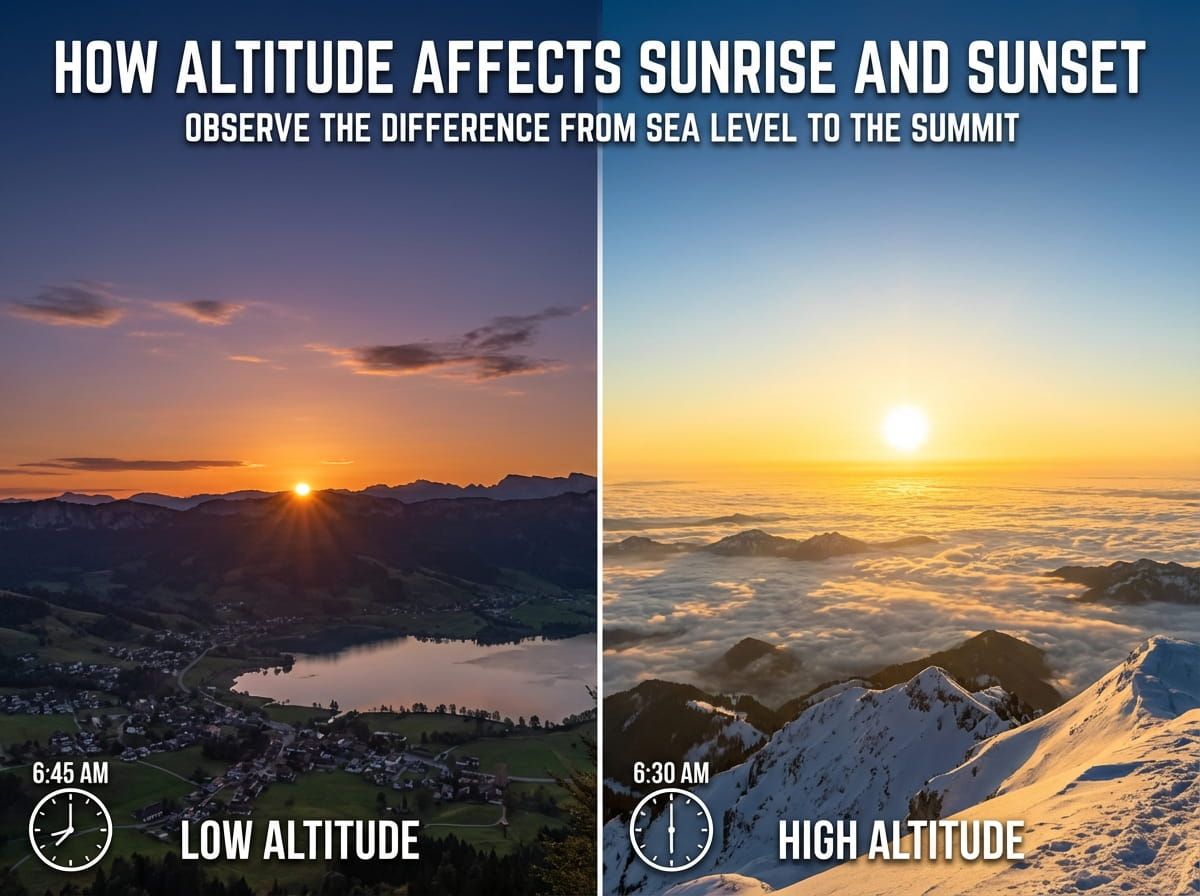
Solar noon is the moment the Sun is highest in your sky. It rarely matches clock noon because time zones and daylight saving can shift the clock. If you want to understand the Sun’s height during an eclipse, compare eclipse phase times with solar noon and solar time. When the Sun is higher, glare is stronger and shadows are shorter. When the Sun is low, haze can be thicker and the view can soften, sometimes making partial phases feel easier to photograph with the right filters.
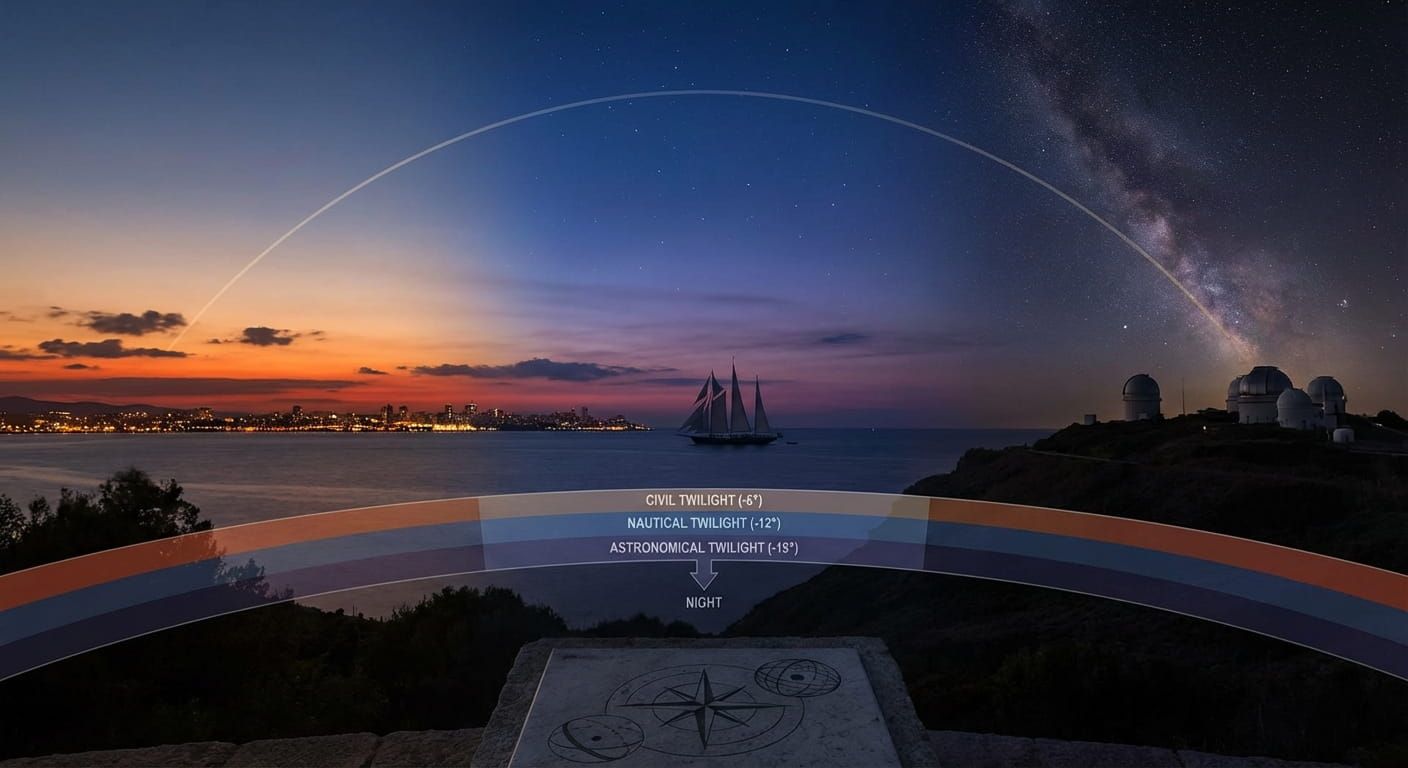
Twilight matters too. Civil, nautical, and astronomical twilight describe how bright the sky is before sunrise and after sunset. A solar eclipse near sunset can look dramatic because the whole scene is already trending darker. A lunar eclipse near dawn can fade into a brightening sky. If you want a clear handle on those light bands, civil, nautical, and astronomical twilight is a useful reference.
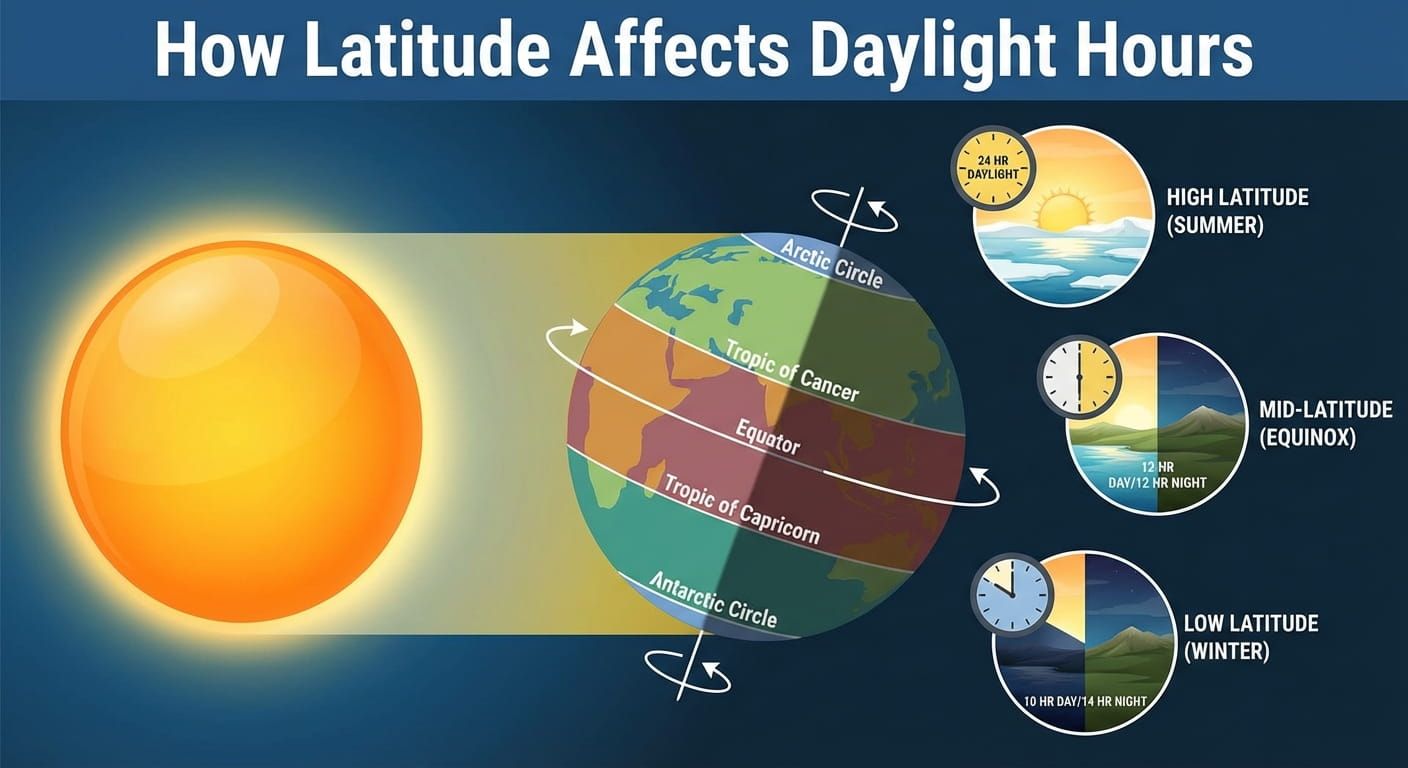
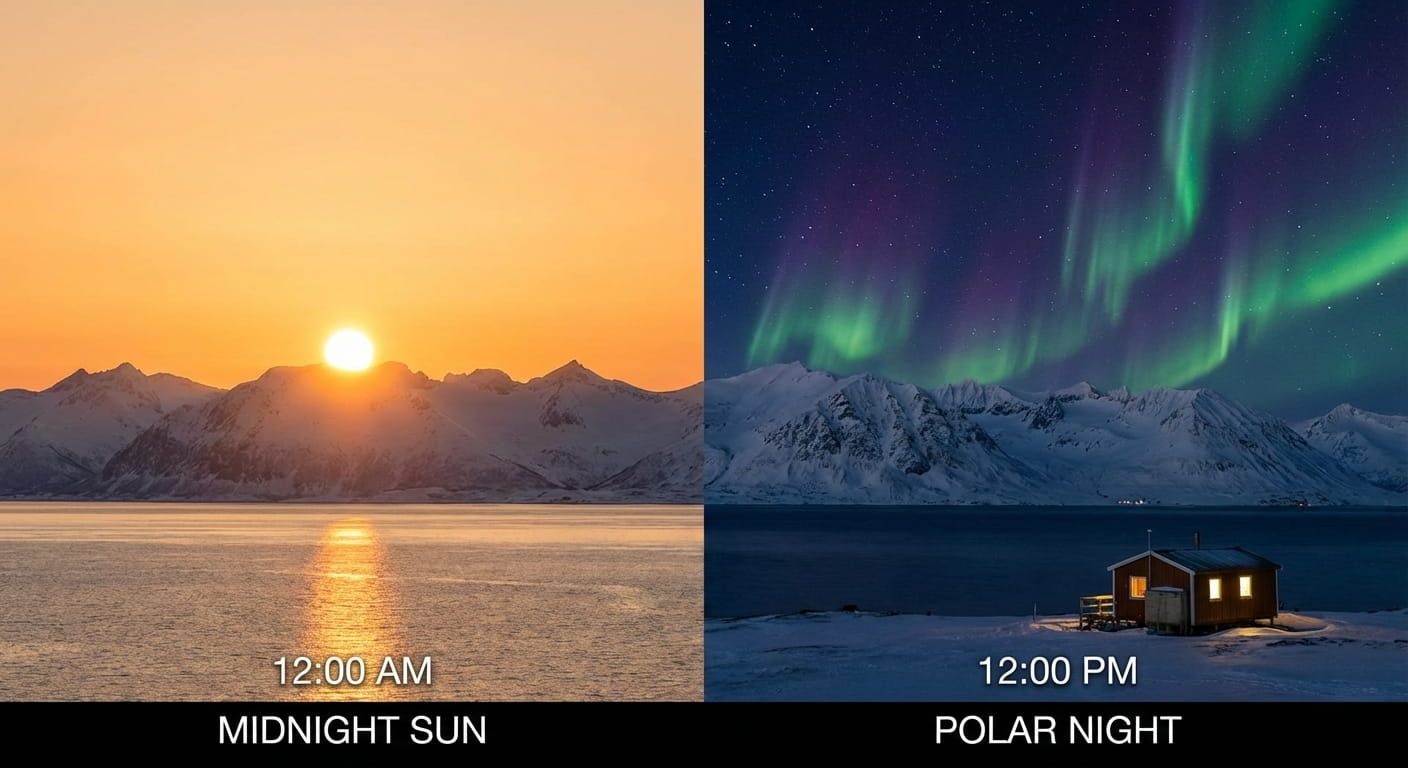
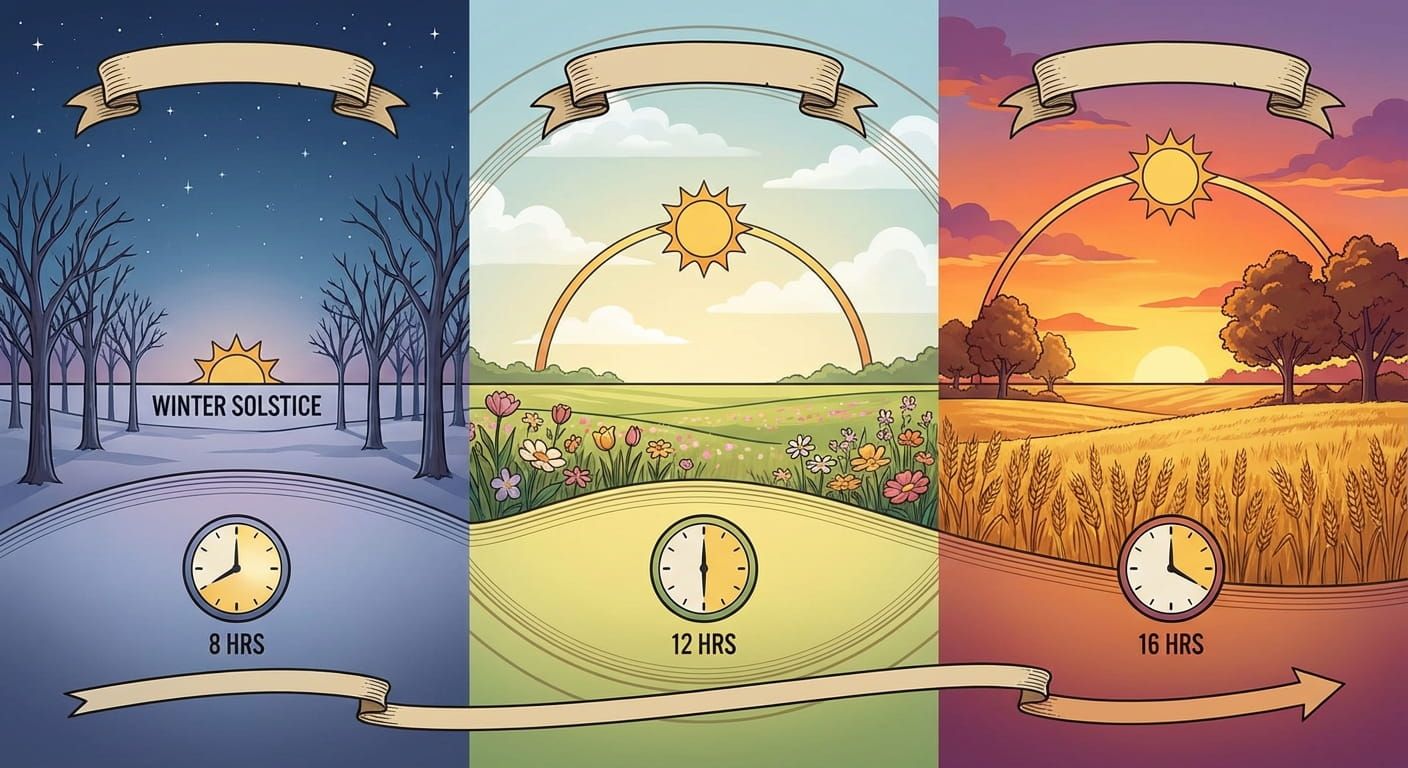
Day length and latitude also shape what is possible. Near the poles, you can have very long daylight or very long darkness depending on season. That changes what times are practical for viewing and whether the Moon is up when the eclipse is happening. latitude and daylight hours ties those patterns together in a way that makes eclipse planning less confusing.
Where you are changes everything
Two friends can watch the same eclipse and have totally different stories. One sees a deep partial eclipse at lunchtime. The other sees nothing because the Sun has set. This is why city specific pages are handy, even if you are traveling or calling family abroad.
If you are planning around a major city, a page like Singapore eclipses gives you a local view of upcoming events and timing. If you are coordinating with someone in Europe, London eclipses can keep you aligned on the calendar without mental math across time zones.
Clouds still win sometimes. A backup plan helps. If the eclipse is solar, consider safe projection at home. If it is lunar, you can often drive a short distance to find clearer skies.
Planning your viewing session in 7 steps
- Find the eclipse date and type for your location or the location you care about.
- Write down the local times for start, maximum, and end.
- Check sunrise and sunset for that date, this shows whether the Sun or Moon will be above the horizon during key phases.
- Compare phase times with solar noon to understand Sun height and lighting conditions.
- Check twilight boundaries if the event is near dawn or dusk.
- Decide on safe viewing, direct viewing with certified filters, or projection.
- Set reminders a little early, arrive, then let your eyes and camera settle.
A professional, readable table for fast decisions
| Event | What you may see | Best time cues to check | Safety notes |
|---|---|---|---|
| Total solar | Daylight fades fast, the Sun’s disk disappears briefly if you are in the path | Local phase times, sunrise and sunset, solar noon | Eye protection needed before and after totality, use correct filters |
| Partial solar | A crescent Sun shape that changes over time | Phase times, solar noon for Sun height, twilight if near dawn or dusk | Never view the Sun directly without certified protection |
| Annular solar | A bright ring around the Moon, the sky may dim but not like totality | Phase times, sunrise and sunset, haze near low Sun angles | Treat it like partial, filters are required throughout |
| Total lunar | The Moon darkens, then often turns red or copper toned | Moon above horizon, local night timing, twilight near dawn | Safe to view with eyes, binoculars, or a telescope |
| Penumbral lunar | A subtle shading, easier to notice near maximum | Maximum time, moonrise and moonset windows | Safe, patience helps, a clear sky matters |
Photos that look like what you felt
Cameras love planning. Your goal is not just a technically correct photo, it is a photo that matches the mood of the moment.
- For solar events, use proper solar filters for lenses and optics.
- Use a tripod if you can, it reduces stress and blur.
- Take a test shot before the key phase, then adjust exposure calmly.
- For lunar events, a small telephoto and steady hands can be enough.
If the eclipse happens near the best natural light for landscapes, you can also think about golden hour or blue hour. Those periods can add depth to clouds, buildings, and horizon color. Golden hour and blue hour timing can help you anticipate the look of the sky around the eclipse window.
Using countries and cities to think clearly about visibility
It is normal to plan in more than one place. Maybe you are traveling. Maybe you are helping a friend. Maybe you want to compare what is visible in different latitudes.
Here is a simple example. If you are checking daily light patterns for South Asia, India sunrise times can give you a fast sense of when daylight begins across regions. If you are checking Europe, France sunrise times does the same. That context matters because an eclipse that peaks close to sunrise can be a totally different experience than one that peaks near midday.
One list you can save for eclipse day
- Charge your phone and bring a portable battery.
- Bring certified eye protection for solar events.
- Pack water and a snack if you will be outside for hours.
- Arrive early enough to pick a safe viewing spot.
- Check local time, then set alarms for key phases.
A note on trustable time
Eclipse predictions and phase times are precise. Your job is to match that precision locally. That is why a time service tied to atomic clock synchronization matters, especially when you are comparing cities and time zones. Time.you focuses on exact time for major cities, countries, and time zones worldwide, so your plan does not depend on guesswork.
If you are coordinating people in different places, write the city name next to each phase time. Do not rely on memory. A clean list beats last minute confusion.
When the sky lines up again
Eclipses are reminders that daylight is not just a backdrop. It is geometry, motion, and timing that you can feel. If you treat the event like a small project, the payoff is huge: less stress, safer viewing, and a better chance of seeing the moment you came for. Check your local times, match them to sunrise, sunset, twilight, and solar noon, then step outside and watch the light change with your own eyes.