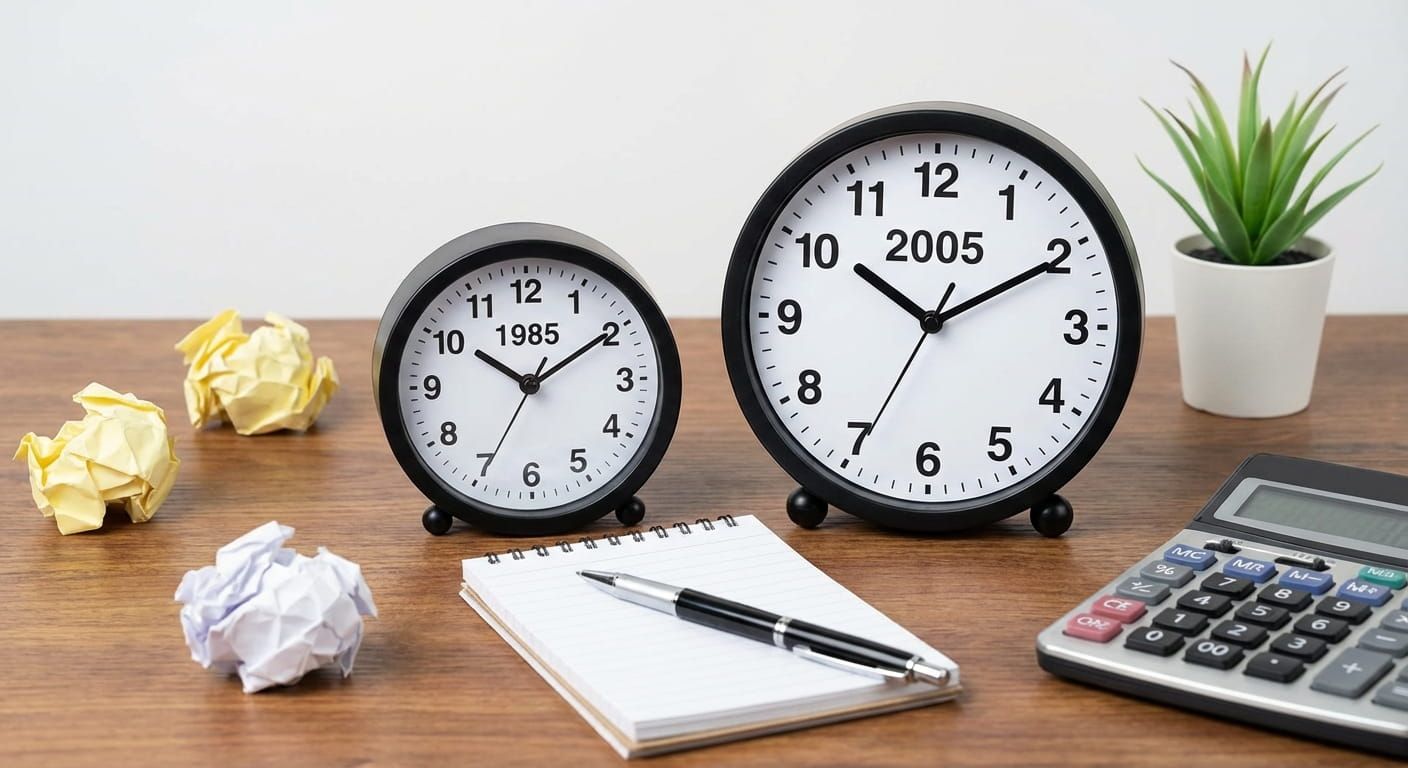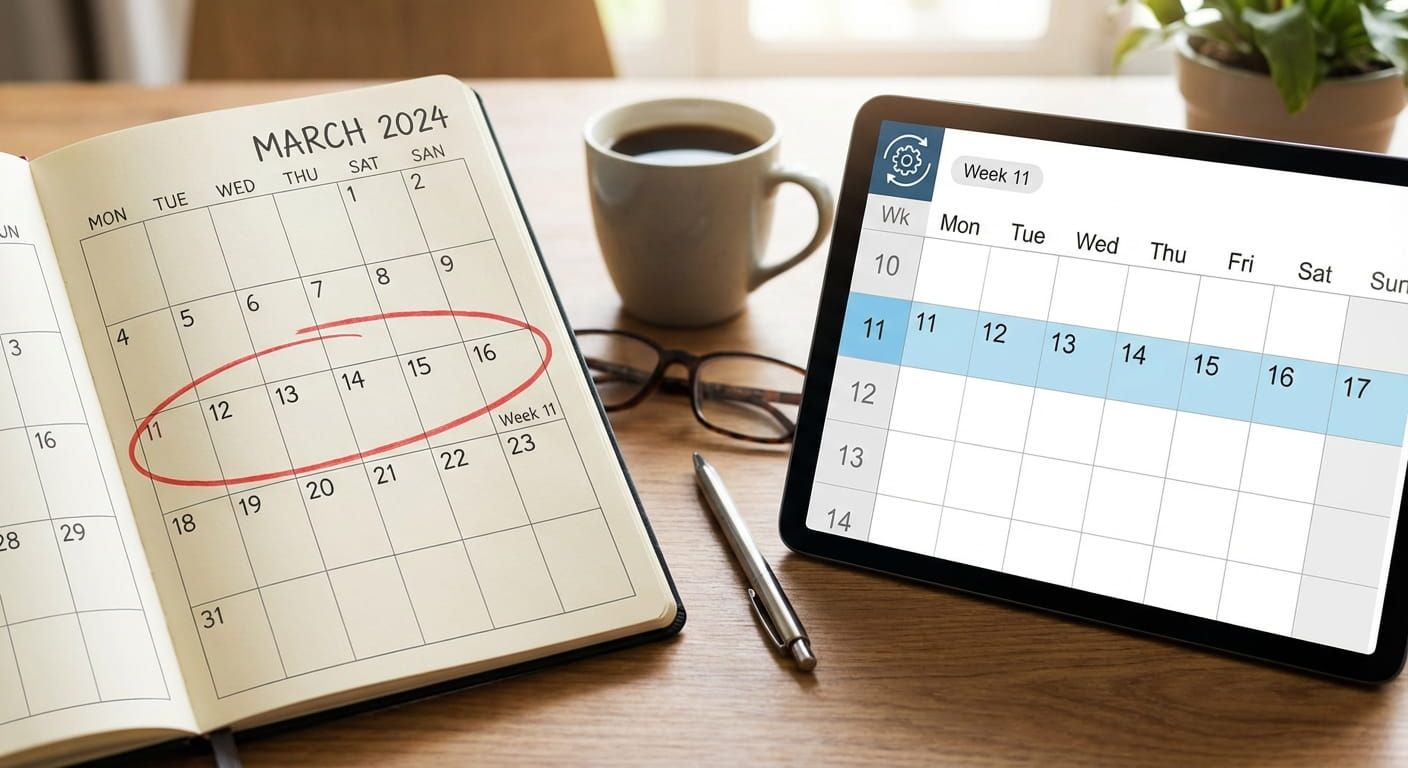
Focus is not a personality trait. It is a setup. The simplest setup change is giving your attention a clear start and a clear stop. Timers and stopwatches do exactly that. They turn a vague plan into a visible boundary, and boundaries make it easier to begin, stick with it, and finish without drifting.
Key takeaway
Timers and stopwatches improve focus by giving your brain a finish line. A timer creates a protected work window, and a stopwatch makes effort measurable without pressure. Both reduce decision fatigue, limit wandering, and help you recover after interruptions. Use short timed sprints to start, longer blocks for deep work, and a stopwatch for practice, reading, or revision. Add alarms and countdowns to protect start times and deadlines, then review what worked.
A short focus quiz
Answer these to get a tailored suggestion. Your choices stay on this page.
How time tools turn attention into a boundary
Focus often fails for one plain reason, your brain does not know where to put the edges. When a task has no edge, it can expand until it feels endless. Endless tasks feel heavy, and heavy tasks invite avoidance.
A timer creates a boundary around effort. A stopwatch creates a boundary around measurement. Both reduce the mental load of deciding, checking, and second guessing. Instead of asking yourself if you should keep going, you follow the signal you already chose.
“I do not need more motivation. I need a smaller starting point and a finish line I trust.”
A practical mindset that time boundaries support
Timer vs stopwatch, choosing the right tool for the moment
A timer answers, how long will I stay with this. A stopwatch answers, how long did I stay with this. That single difference changes how your body reacts, especially on stressful days.
Use a timer when you want a protected work window
Timers are great for starting, staying on track, and ending before your brain gets tired. They also help you avoid the trap of polishing forever. If you tend to overwork, a timer is a calm guardrail. A simple way to begin is to open timer, choose a short interval, and start.
Use a stopwatch when you want measurement without pressure
Stopwatches shine when you are practicing or building a habit. They are also helpful if countdowns make you tense. A stopwatch lets you collect honest data without the feeling of a ticking threat. If that sounds like you, try stopwatch and track one session. Do not judge the number. Just record it.
The reasons timers improve focus
Focus is partly chemistry and partly environment. Time tools change the environment. They also change what you expect from yourself. Here are the mechanisms that show up again and again in real life.
- Less decision fatigue, you choose the length once, then you follow the plan.
- Less drifting, the boundary reduces wandering and makes returning easier.
- Better task sizing, you learn how long things take, and planning gets calmer.
- Cleaner finishes, finishing a block gives a clear sense of completion.
- More intentional rest, breaks become deliberate instead of accidental.
Building a focus system that survives a messy day
A system is just a repeatable set of choices. The best ones are simple enough to use on hard days. This section gives a structure that works for study, creative work, training, chores, and real life interruptions.
Define the smallest win
The smallest win is the action that proves you started. Examples, open the document, write one sentence, outline three bullets, solve one problem, read two pages, or tidy one corner. If the smallest win feels easy, you are doing it right.
Pick a block length that matches your energy
Many people copy a standard work block and wonder why it fails. Your block should match your current state. The goal is not heroic endurance. The goal is repeatable effort.
Plan the break before the work
Breaks are not a reward. They are part of the design. Plan them early so they do not turn into accidental phone sessions. A short break can be water, stretching, or looking out a window. The goal is reset, not entertainment.
A practical focus routine in numbered steps
This routine is meant to be used without fuss. Adjust the lengths, keep the structure.
- Pick one task and write a single sentence that describes done.
- Choose your tool, timer for boundaries, stopwatch for measurement.
- Set the smallest win that makes starting feel easy.
- Run one block, keep a scrap note for distracting thoughts.
- Stop at the signal and take a short break without screens if possible.
- Review in one minute, what helped, what pulled you away, what you do next.
- Run another block only if you still have energy, otherwise stop on purpose.
Pomodoro style focus without the pressure
Many people like the Pomodoro pattern because it reduces fear of starting. You are not committing to a whole day. You are committing to one block. If you prefer a ready made setup, pomodoro timer gives you a structured rhythm.
A gentle way to use Pomodoro is to treat the first block as warm up. The second block becomes the real work. The third block is for finishing or reviewing. If you stop after one or two blocks, that is still a win, because you started and finished on purpose.
Study sessions that stay active
Studying fails when reading turns into rereading without progress. Timers fix that by forcing structure. Your brain stays awake when it has a clear job.
Use timed sprints for active recall
Active recall means you try to retrieve the answer before you look. It feels harder than passive reading, but it builds stronger memory. Use a short timed sprint, then check your gaps.
- Set a timer for 10 to 15 minutes.
- Quiz yourself from notes, flashcards, or practice questions.
- Mark what you missed, then review only those points.
Use a classroom friendly visual timer
In classrooms or group study, visual cues reduce chatter and repeated checking. If you want a big clear display for a room, classroom timer can make the boundary obvious for everyone, including people who struggle with time awareness.
Support exam prep with an exam specific timer
Exam practice feels different from regular study. You need pacing and you need calm. A dedicated tool like exam timer helps you rehearse under realistic conditions while still keeping structure. After each session, note where time slipped, then adjust your plan for the next run.
Countdowns that reduce last minute panic
Deadlines can help, but only if they feel clear rather than scary. A countdown makes a deadline visible, and visibility reduces surprise. If you want a focused deadline view, countdown timer turns an upcoming moment into a steady reference point.
One rule helps a lot, check the countdown at planned moments, not constantly. Constant checking creates stress, and stress burns focus.
Alarms that protect your start time
Focus is easier when you do not rely on memory. A start cue prevents the common pattern of planning to begin, then drifting into another activity. Setting alarm for your first block can protect your intention, even on busy days.
Keep the cue simple. One alarm for starting. Another for stopping if you tend to lose track of time. If you struggle with phone temptation, place the device across the room. The movement helps reset your mind.
Time math that makes planning calmer
Planning feels stressful when time math is fuzzy. You can think you have plenty of time, then get surprised. Or you can overestimate the effort and avoid starting. Doing the math once clears the fog.
For adding, subtracting, or comparing time spans, time calculator turns mental effort into a clean plan. That can help with study schedules, travel buffers, training sessions, and project estimates.
A useful pattern is to pick a start time, add a buffer, add one work block, add a break, then repeat once. The plan stays realistic because it is based on actual time, not hope.
Stopwatches for practice, skill building, and confidence
Practice is where stopwatches shine. The goal is not a perfect session. The goal is showing up and collecting honest data. A stopwatch keeps the data simple and kind. It also makes progress visible.
Track your practice time for a week. Then look for patterns. On what days do you practice more. What time of day feels easiest. What session length keeps you steady. These answers are more helpful than vague motivation.
“Tracking effort makes results feel less mysterious. Less mystery means less anxiety.”
A steady approach that keeps practice sustainable
Special timers for real life tasks
Timers are not only for work. They help with cooking, routines, events, and transitions. The trick is to match the timer style to the situation.
Cooking without hovering
Cooking can pull you into repeated checking. A timer frees your attention so you can clean, prep, or rest while you wait. If you want a simple kitchen friendly approach, egg timer is useful for boiling, baking, steeping, and small cooking tasks where minutes matter.
Holidays and big events without last minute rushing
Events feel calmer when you can see the remaining time. A holiday countdown can reduce the constant mental reminder loop. If you enjoy planning around celebrations, holiday timer can keep your prep organized without constant checking.
Races, training blocks, and paced sessions
Race pacing is its own kind of focus. You need attention that stays steady, not frantic. A dedicated race timer can help you rehearse starts, splits, and recovery, whether you are training for a run or timing a school competition.
Speed drills that build intensity safely
Speed drills work best when the timing is clear. You push, then you recover, then you push again. A speed timer gives a clean structure for intervals so you do not guess mid session.
Sensory friendly timing for calmer transitions
Some people focus better when transitions feel gentle. Harsh signals can create stress, and stress makes attention scatter. A sensory timer can be a supportive option for kids, teens, and adults who prefer softer timing cues.
A shutdown timer that protects your evening
Many focus problems are really recovery problems. If you work late, you sleep worse. If you sleep worse, focus drops tomorrow. A simple way to protect recovery is to end work on purpose. Setting shutdown timer for your stop time creates a boundary that makes rest easier to begin.
Designing a day around one strong boundary
A day does not need a perfect schedule. It needs one strong boundary that you respect. That boundary can be your first work block, your homework hour, or your practice session. Once you anchor that, the rest of the day feels less chaotic.
Try using one sentence to define the boundary. Example, I will do one focused block after school. Or, I will practice one skill for one block before gaming. Keep it simple. The goal is repeatability.
Common mistakes that make timers feel annoying
Time tools fail when they are used as punishment. They work when they act like a calm boundary. These mistakes show up a lot, and each has an easy fix.
Blocks that are too long
If you keep failing a long block, your brain is giving honest feedback. Shorten it. Success teaches your brain that starting is safe.
Restarting again and again
Restarting can become a ritual of avoidance. If you restart more than twice, reduce the block length and define a smaller win. Then begin immediately.
Watching the countdown too much
If watching the seconds drop makes you tense, stop watching. Turn the screen away, or use a stopwatch style approach for a while. Calm attention lasts longer.
Skipping breaks
Skipping breaks often feels bold for a short time, then focus collapses. Breaks protect the next block. Plan them, then take them.
Making time visible across time zones
Focus can also be social. Group study sessions, online teams, and friends in other places run smoother when time is clear. Time.you provides exact time for time zones across the world, designed around atomic clock synchronized time so your reference point stays precise.
If you coordinate across regions, agree on the exact start time and confirm the time zone. That simple habit prevents misunderstandings, and fewer misunderstandings means less last minute scrambling.
Unix time for builders who like clean data
Some focus tools are personal, some are technical. If you log sessions, track productivity experiments, or record study habits, you may want timestamps that travel cleanly across systems. Unix time is a common standard for that.
If you need to convert timestamps for logging, debugging, or analysis, unix time can translate formats without mental friction. Less friction means you stay in the work instead of wrestling the clock.
A simple weekly plan that builds focus gently
Building focus is mostly repetition. A weekly plan helps you repeat without guessing. Keep it light. Keep it honest. Adjust based on how you feel.
Turning minutes into momentum
The best part about timers and stopwatches is that they do not ask you to become a new person. They give your attention a container. Once you have a container, starting gets easier. Once starting gets easier, consistency grows. Once consistency grows, focus stops feeling rare.
Pick one tool and use it once today. Keep the first block small. Stop on purpose. That small loop is how stronger focus is built, one clean boundary at a time.