Every timestamp tells a tiny story. A flight board, a livestream schedule, a game patch note, a server log, a school assignment. Then two three letter labels pop up, UTC and GMT, and the story suddenly feels harder than it should. They often match on the clock. Yet they come from different ideas, and they behave differently once you start working with offsets, city times, and daylight saving rules.
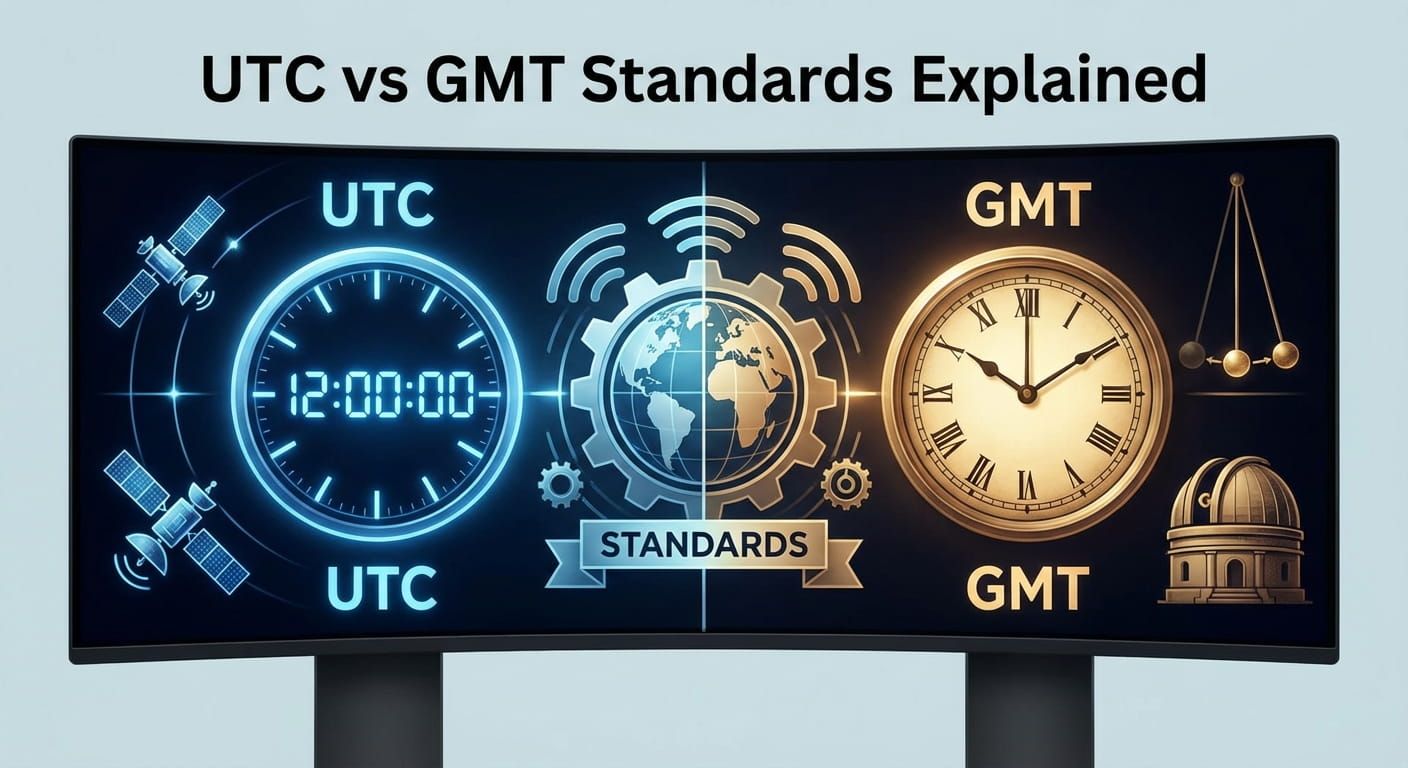
UTC is the modern world standard built from atomic clocks, used to keep time consistent for technology, aviation, and global coordination. GMT is a historic reference tied to Greenwich and still used as a familiar label in daily life and some official settings. For most everyday scheduling, UTC and GMT show the same clock time, but UTC is the reference that offsets and time conversions are anchored to.
UTC and GMT, the plain meaning
UTC is Coordinated Universal Time. It is the baseline used to keep time stable across the planet. It is maintained using atomic clocks, and it stays steady even when local clocks change for daylight saving time. If you see a timestamp written in UTC, it is meant to be portable, the same reference no matter where you are.
GMT is Greenwich Mean Time. It started as mean solar time at the Greenwich meridian in England. That history matters because the prime meridian became a shared reference point for navigation and mapping. Today, GMT still appears as a time label on broadcasts, schedules, and everyday speech, especially in the United Kingdom.
In normal life, UTC and GMT often show the same clock reading. The difference is about what the label stands for. UTC is the standard behind the scenes. GMT is the historic label that many people still use out loud.
If a site or app needs one global reference, it almost always chooses UTC. If a person is speaking casually, they might say GMT even if the system running the clock is still anchored to UTC.
How Greenwich became the starting line
Before global standards, towns kept local time based on the Sun. That breaks down fast once trains, shipping routes, and international communication enter the picture. Greenwich became a key reference because the prime meridian passes through it. Once maps and navigation agreed on one meridian, one baseline time made coordination simpler.
GMT grew from that need. It served as a shared reference when solar observations were the primary method of keeping time. It was a major step forward for global coordination. Later, as timekeeping became more precise, a different kind of clock took the lead.
Why atomic clocks pushed UTC to the front
Earth’s rotation is not perfectly uniform. It is close, but not perfect. Atomic clocks are far more stable, because they rely on consistent physical properties of atoms rather than the motion of Earth. That stability matters for satellites, navigation systems, financial systems, and computing.
UTC is designed to provide a stable timescale that stays close enough to Earth based day and night. That balance is why UTC is the reference used for offsets, conversions, and many technical timestamps. If you want a clear reference point for comparisons, the UTC page is a clean anchor for checking how other zones relate.
When GMT is still the name people reach for
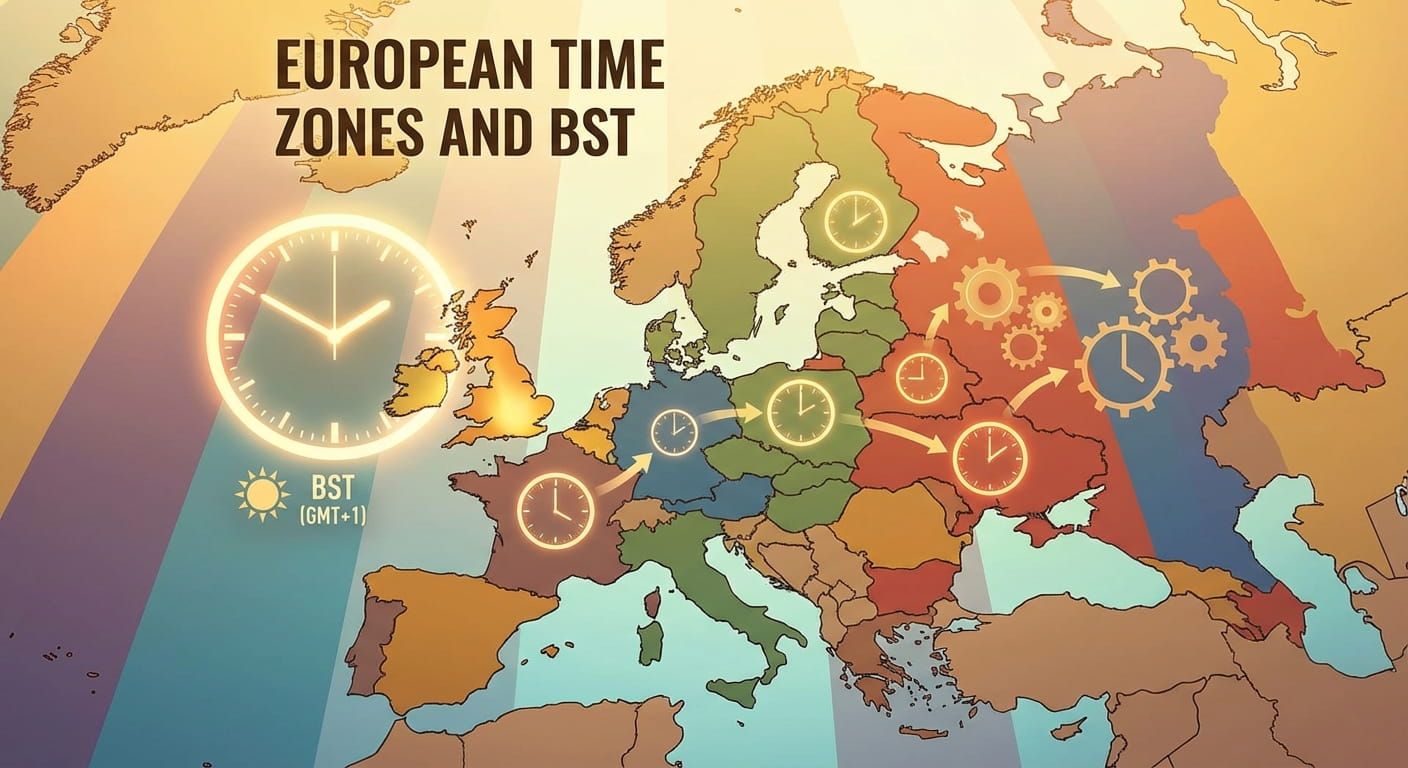
GMT still shows up because it is familiar. It is also used as a label in some contexts where people want to communicate a baseline time without talking about atomic standards. In the United Kingdom, people may say GMT during the winter season, and then switch to BST in the summer.
When you are checking how GMT is presented, the GMT page is helpful for seeing the label in a straightforward way.
Offsets, the bridge between one standard and many local clocks
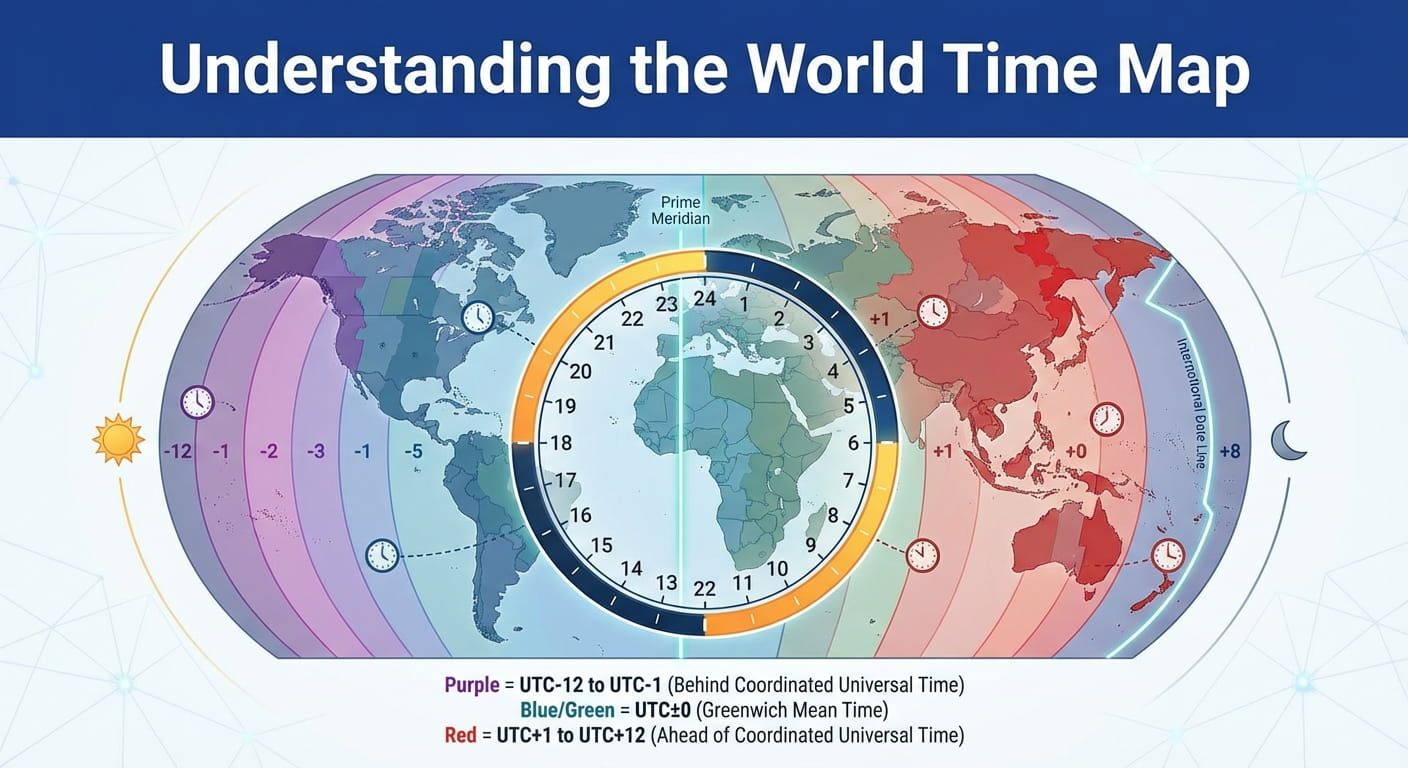
A UTC offset tells you how far a local time is from UTC. The wording is simple:
- UTC plus 9 means the local time is nine hours ahead of UTC.
- UTC minus 5 means the local time is five hours behind UTC.
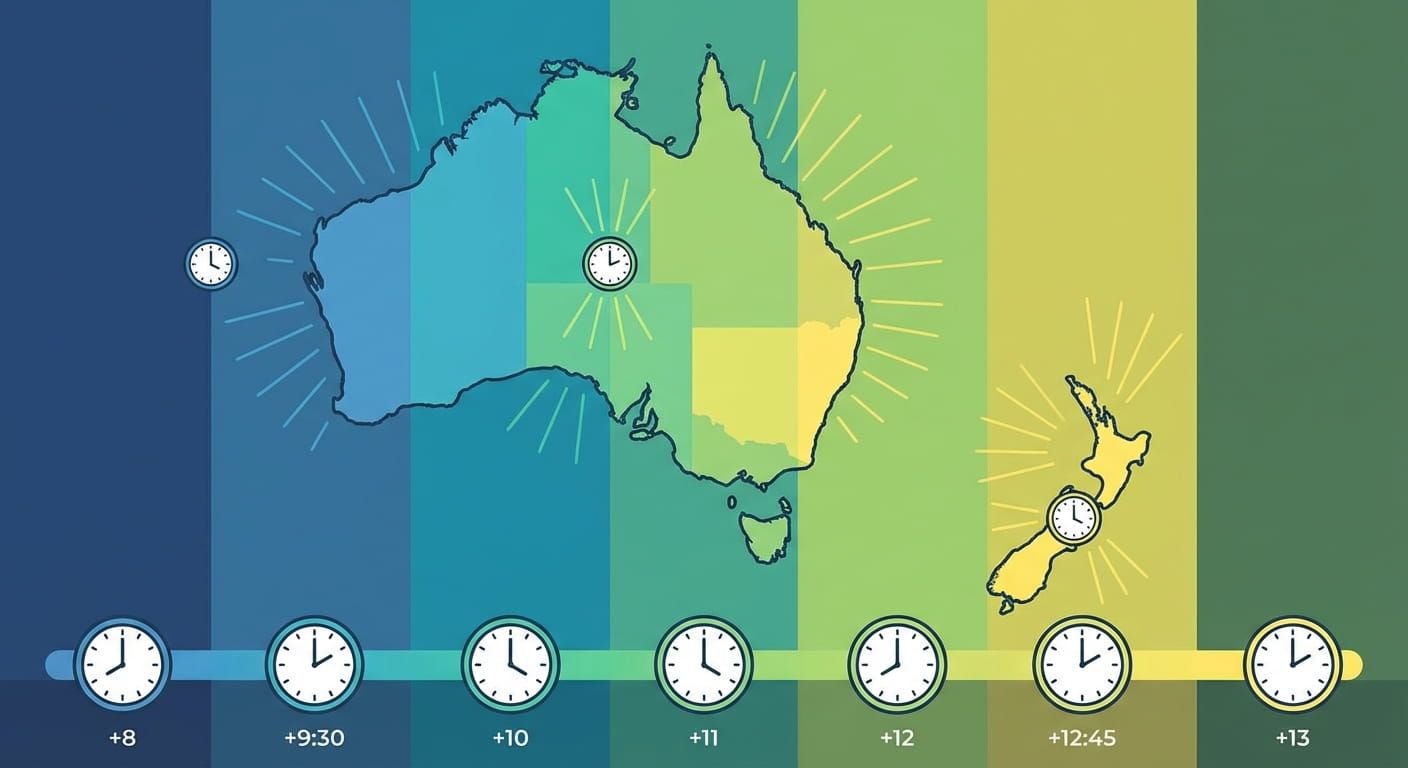
- Some places use half hours or even forty five minutes, so you might see UTC plus 5:30 or UTC plus 9:30.
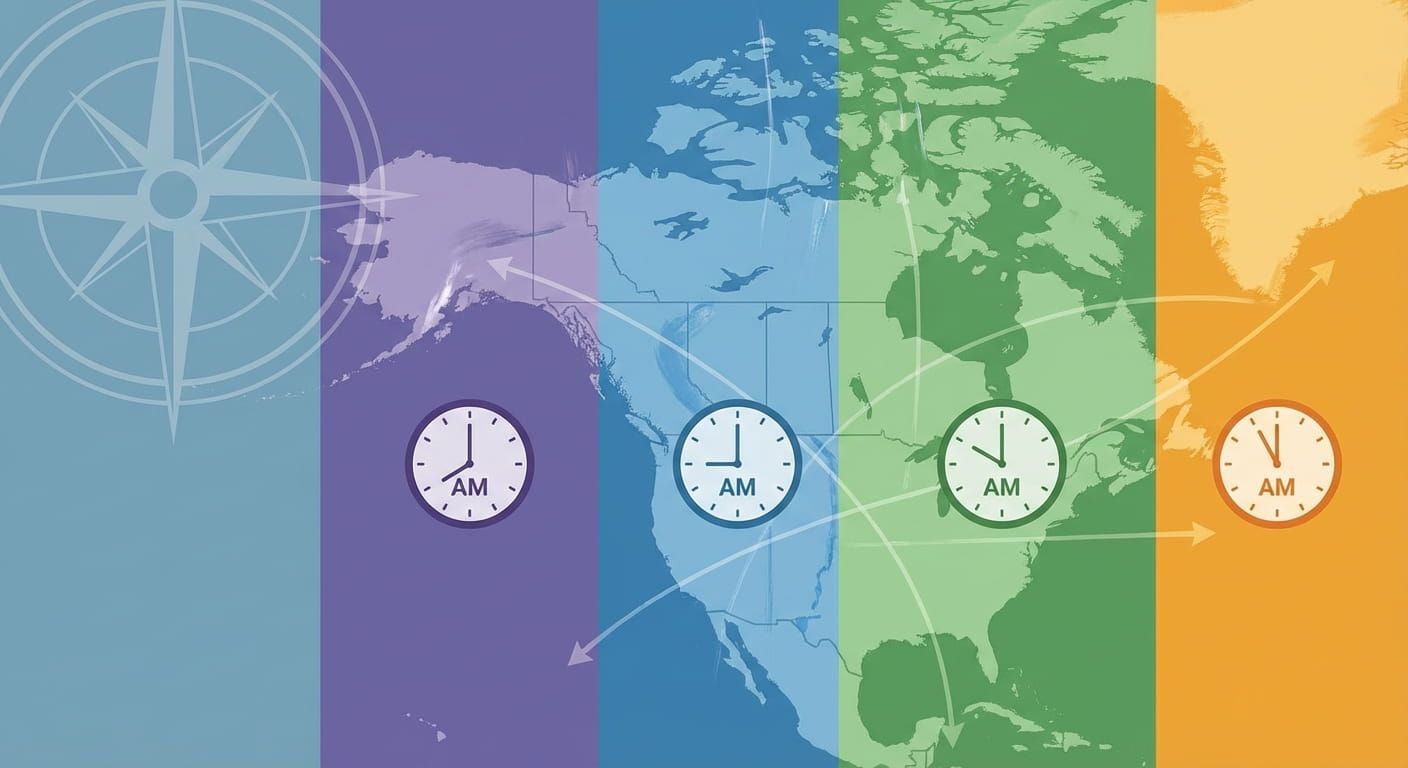
Offsets are where people often slip up, not because the math is hard, but because dates can change when you cross midnight. A conversion that looks harmless can jump to the next day in Tokyo or Auckland.
A scan friendly table that separates the standards
Seven moments where UTC saves the day
Here is a compact list you can keep in your head. It covers the situations where using UTC avoids confusion.
- Online events across continents. Announcing one UTC time keeps it fair and consistent.
- Flight schedules and aviation. A shared standard avoids mixing local times across routes.
- Server logs. UTC keeps records consistent when machines and teams are in different places.
- Gaming release windows. Publishers often post UTC times, then players convert to local time.
- Remote classes and tutoring. One UTC anchor prevents the wrong day mistake.
- Sports and livestreams. UTC reduces confusion for global viewers.
- Coordination during daylight saving changes. UTC stays steady even when local clocks jump.
City examples using labels people actually see
Abbreviations help, but only when they are clear. These examples use places that show up often in global schedules and chats.
Japan uses JST, which is UTC plus 9. That is why a UTC evening event can land on the next day in Tokyo.
South Korea uses KST, also UTC plus 9. Tokyo and Seoul often match, which is useful for planning.
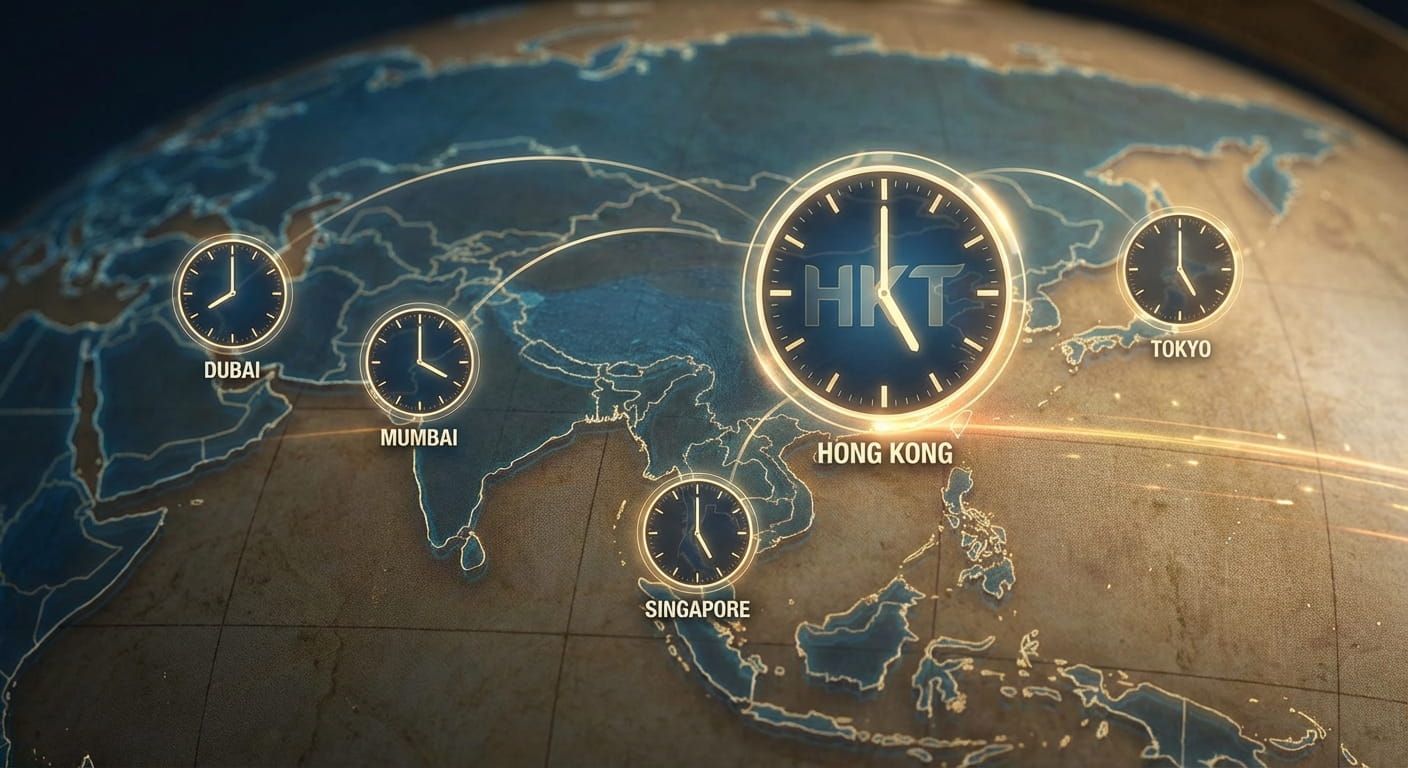
Hong Kong uses HKT, which is UTC plus 8, lining up with several nearby locations.
Pakistan uses PKT, which is UTC plus 5. A midday UTC time becomes early evening in Karachi.
India commonly uses IST, which is UTC plus 5:30. The half hour matters, and it catches people off guard.
Western Indonesia uses WIB, UTC plus 7, while central uses WITA and eastern uses WIT. Indonesia is a great reminder that one country can have multiple time zones.
Some abbreviations collide. CST can mean different things in different regions. If the message matters, share a city plus the UTC time, then convert from there.
A colorful table of common labels and what they usually mean
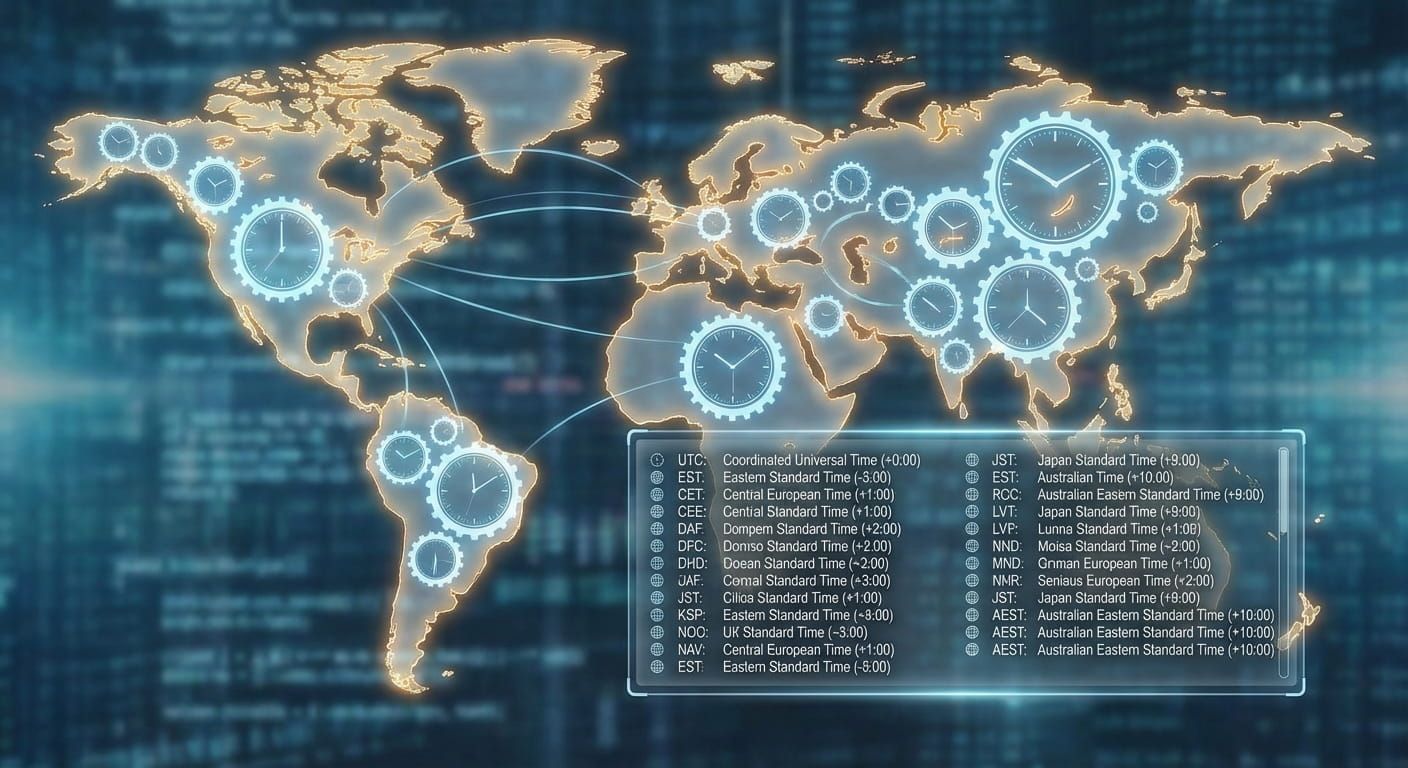
This table is designed for scanning. It combines everyday labels with the idea you really need, the offset from UTC. Seasonal labels are shown as pairs because they can change depending on the date.
Time conversion without missed days
If you do one thing, do this. Convert with a small checklist. It stops the classic mistake where a call lands on the wrong date.
- Write the UTC time and date first. Example, 19:00 UTC on Friday.
- Add the offset for the city. Japan is UTC plus 9, Hong Kong is UTC plus 8.
- Check whether the local time crosses midnight. 19:00 UTC plus 9 becomes 04:00 the next day.
- If the place uses daylight saving time, confirm the season. United Kingdom and parts of the United States change seasonally.
When you want the conversion done cleanly in one view, the time zone converter is built for this exact job.
Common label confusion that catches people
Abbreviations are short. They are not always unique. CST can mean China Standard Time or Cuba Standard Time or Central Standard Time in North America. IST can mean India Standard Time, Irish Standard Time, or Israel Standard Time.
Two habits help immediately:
- Pair the label with a city or country name. Tokyo, Japan, JST.
- Pair the label with UTC offset language. UTC plus 9.
If you want a wide reference that helps you spot collisions before they ruin a plan, world time zone abbreviations list is useful for double checking what a label can mean in different regions.
How Time.you fits into world time planning
Time.you focuses on exact time across the world, showing current time in major cities, countries, and time zones. It is synchronized to atomic clock time, which is why it is a good companion when you need precision and a clear reference for comparisons.
A nice habit is keeping several cities visible at once. It reduces back and forth conversions and makes date changes obvious. The world clock view is built for that style of planning.
The heading you want to remember before scheduling anything
UTC is the standard you can trust as a stable anchor. GMT is the label many people still use, rooted in Greenwich and tradition. If you announce a time in UTC, then convert to JST, KST, HKT, PKT, or IST with offsets and dates, your plans stay solid even when seasonal changes happen elsewhere. That confidence is the real goal, fewer mistakes, fewer missed calls, and more time spent on the actual event.