Everything You Need to Know About Global Public Holidays
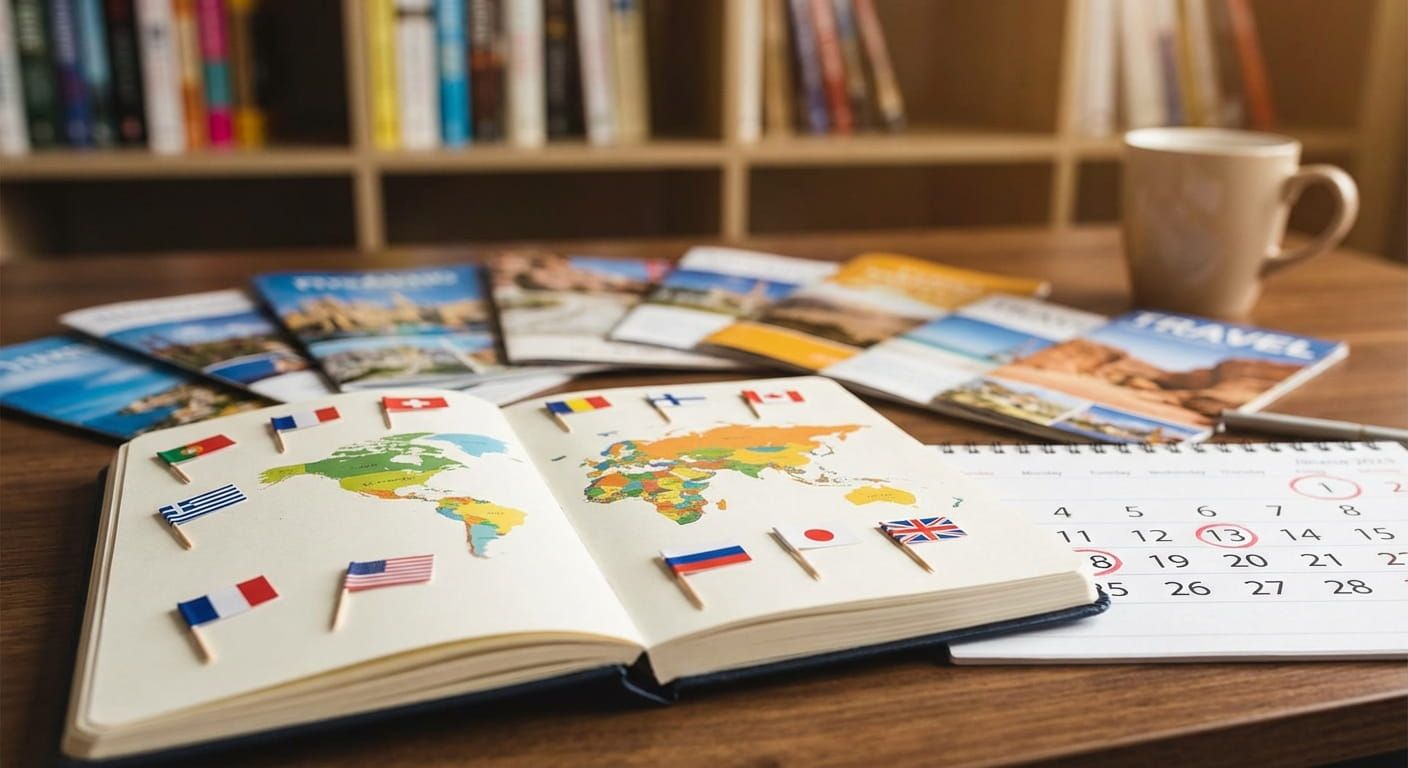
Public holidays feel simple until you plan across borders. One country shuts down for a national day, another stays open, and a third moves the day off to Monday because the date lands on a weekend. Add time zones and last minute government announcements, and the calendar becomes a real planning tool, not decoration. This pillar guide pulls every moving part into one place, with clear explanations you can use for travel, work, and scheduling.
Key takeaway
Global public holidays are official days recognized by governments, often tied to history, faith, seasonal traditions, and labor rules. Dates can be fixed, weekday based, or linked to lunar calendars, which makes some holidays shift year to year. Many places also use observed rules, moving the day off to a nearby weekday when the holiday falls on a weekend. The safest way to plan is to check holidays by country and year, confirm the local time zone, and note whether a date is estimated or subject to confirmation.
A short quiz to warm up your calendar brain
Answer these like you would in real life. The goal is fewer scheduling surprises.
-
Which statement is most accurate?
-
What does an observed holiday usually mean?
-
What is the best first step for an international launch date?
-
Why can one holiday look like different dates across teams?
What counts as a public holiday
A public holiday is an official day recognized by a government. It usually comes with rules, or at least strong expectations, about closures. Banks may close. Government offices may close. Schools often close. Some private businesses close. Others stay open but pay employees differently. The exact effect depends on the local labor system and the industry.
Public holiday is not the same thing as a cultural observance. A country can have many observances that people care about, yet only a smaller set are official public holidays. The reverse also happens. A public holiday can be civic and not deeply personal for many people, while still changing opening hours and staffing.
Why holiday calendars differ around the world
Holiday calendars are a country’s memory in date form. Independence days and national days sit near the center. Memorial days reflect shared grief and respect. Religious holidays reflect the faith traditions that shaped the culture, sometimes with newer additions meant to include multiple communities. Seasonal festivals show up where harvest and climate shaped old routines. Labor related days show up where worker movements left a mark.
Even neighbors can look completely different. One country may keep a short official list and let employers decide the rest. Another may set a long list that affects most services. A territory might have its own calendar that does not match the mainland. A region within a country might celebrate a founding day that the rest of the country ignores.
The patterns behind most holiday dates
Most public holidays fit into a few patterns. Once you recognize them, planning becomes less stressful.
- Fixed date, the holiday falls on the same calendar date each year.
- Weekday rule, the holiday happens on a specific weekday pattern, like the third Monday of a month.
- Relative date, the holiday is tied to another movable holiday, often in the Easter family.
- Lunar or lunisolar date, the holiday follows a religious or traditional calendar, causing it to shift on the Gregorian calendar.
- Declared date, the government announces the day, sometimes close to the event.
Patterns can stack. A holiday can have a fixed date and still create a weekday day off because of observance rules. A lunar holiday can include multiple official days off around the core celebration. A declared holiday can become permanent later.
Observed holidays and substitute days, the main cause of surprises
An observed holiday usually means the day off moves to a weekday when the holiday date lands on a weekend. Some places move it to Monday. Some move Saturday holidays to Friday and Sunday holidays to Monday. Some keep the day off only in certain years. Some do not observe at all.
This matters for almost everything. Travel crowds. Customer support coverage. School schedules. Pay rules. Package delivery. Even small shifts add friction when you work across regions.
Three checks that prevent most errors
- What is the official holiday date?
- Is there a substitute weekday day off in that year?
- Which date affects closures and staffing where you operate?
National, regional, and local holidays
A country can have national holidays that apply everywhere, and regional holidays that apply only in certain areas. Federal systems often have regional variation. Large countries may have state or province holidays. Territories may have their own lists. Cities can have local days that close schools or municipal services.
Planning tip: treat national calendars as a baseline, then confirm regional calendars for the places your team, customers, or logistics rely on.
Why some holidays move every year
Movable holidays exist because not every tradition uses the same calendar system. Many countries use the Gregorian calendar for civil life. Some major holidays follow religious calendars or astronomical rules. That creates movement when translated into the civil calendar.
Common reasons a date shifts
- Easter related rules change the date each year, which moves holidays connected to it.
- Lunar calendars are shorter than the solar year, shifting dates earlier over time on the Gregorian calendar.
- Local confirmation can affect final dates for some lunar holidays in some countries.
- Weekday rules define a holiday as a Monday or another weekday pattern, not a fixed number date.
- Government declarations can add a one time day off or extend breaks around major events.
Public holidays by country and year, how to read the calendar fast
A country by year view is the best planning view. It shows the dates, the names, and often the type. It also helps you spot clusters, which are the real drivers of downtime.
Read any holiday page using this order
- Scan the year for long blocks and major national holidays.
- Look for notes about observed days or substitute days.
- Watch for wording that hints at estimates or confirmation.
- Check whether the list is national, regional, or mixed.
- Confirm the local time zone for the place you are scheduling for.
If you plan work in the United States, you will often see a clear national list plus state level differences. A year view on United States public holidays helps you anchor deadlines, then you can layer state rules as needed.
If you work with the UK, the concept of bank holidays shapes closures and staffing. A readable baseline is United Kingdom public holidays, then you can confirm local differences across nations inside the UK.
If you manage schedules across India, the calendar can include national holidays, state holidays, and religious festivals with different local impact. A broad starting point is India public holidays, then drill down by region for accurate staffing plans.
If you coordinate with Japan, weekday based holidays and special rules make the year feel different from many places. A clean view is Japan public holidays, especially useful for avoiding meetings on national days off.
If your planning touches France, you will likely want to watch spring clusters and year end closures. A year view on France public holidays makes those patterns easy to spot.
If you operate in Southeast Asia, Singapore is a helpful example of a compact list balanced across major faiths. The year list on Singapore public holidays is straightforward and great for training a team’s calendar habits.
Next holiday, what that phrase hides
Next holiday seems obvious. Yet it can mean different things depending on what you need. A traveler cares about closures and crowds. A payroll manager cares about pay rules and banking days. A teacher cares about school calendars. A global team lead cares about who is offline and when.
Before you label something as the next holiday, confirm these
- Is it national or only in a region?
- Is the day off observed on a weekday in that year?
- Are banks and government offices closed, or only some services?
- Is the listed date final, or subject to confirmation?
- Are you viewing it in the local time zone of the place that matters?
Time zones, the quiet reason dates go wrong
Holidays start at midnight local time. That means the same moment can be two different dates for two different people. This is most obvious around midnight, and also during Daylight Saving changes in places that use it.
Time.you exists for this kind of clarity. It provides exact time for any time zone across the world, showing current time in major cities, countries, and time zones. It is an atomic clock synchronized time service providing precise time for any timezone worldwide. Pairing that with holiday calendars reduces the most common error: assuming your local date equals someone else’s local date.
Holiday Rules
This table keeps the design clean and the information dense. The colors are muted and readable, and the columns mirror real questions people ask during planning.
Holiday types you will see again and again
This listicle helps you name what you are looking at while scanning a calendar. Most countries use a mix of these categories.
- National day, marks independence, founding, unification, or a turning point in national history.
- Constitution or republic day, marks a legal milestone that shaped modern government.
- Labor day, honors workers and labor movements, date varies widely.
- Religious holiday, tied to faith calendars, sometimes fixed, sometimes movable.
- Memorial day, honors loss, war dead, or national heroes, often quiet in tone.
- Seasonal festival, connected to harvest cycles, spring celebrations, or local traditions.
- Royal or state occasion, linked to national ceremonies in monarchies or state anniversaries.
- Civic participation day, can include election related closures in some countries.
- Regional foundation day, applies to a state, province, island, or territory.
- Special one time day off, declared for major events, mourning, or celebrations, sometimes later added permanently.
Observances, commemorations, and the difference they make
An observance is a recognized day, but not always a legal day off. People may still celebrate it. Schools may reference it. Communities may hold events. Retail patterns can shift. Transport can get busier. A country can also have bank holidays that mainly affect financial institutions and government offices, while many private businesses stay open.
For planning, ask one plain question: what closes, and for whom. Then ask it again for the day before and the day after, because that is where travel spikes and last minute errands often land.
A practical way to explain a holiday to teammates
A holiday explainer does not need a lecture. It needs clarity. Use this five line format in a chat message or a project doc.
- Name and meaning, one sentence.
- Where it applies, national, regional, local.
- What closes, banks, government offices, schools, shipping.
- Observed rules, whether the day off moves this year.
- Practical impact, expected response times, delivery delays, travel peaks.
How businesses can plan around holidays without stress
Businesses tend to get hit by holidays in three ways: staffing gaps, payment timing, and logistics slowdowns. A basic routine handles all three.
- List your critical locations, staff, vendors, customers, warehouses, ports, banks.
- Pull the year view for each location, then mark major closures and long weekends.
- Tag high risk windows where multiple countries close in the same week.
- Set buffers for shipping, approvals, and support coverage.
- Recheck near the date in places that sometimes add declared days off.
One paragraph with bulletpoints can help in weekly planning calls. Example bulletpoints: staffing, banking cutoff days, shipping pickup changes, customer response expectations. Keep it short. Keep it visible.
Payroll, premium pay, and why local rules matter
Pay rules vary widely, and labor law can be specific. This section stays at a high level, meant to help you know what to ask, not to replace legal advice.
- Some places require premium pay for working on a public holiday.
- Some require a substitute day off if someone works.
- Some treat only a subset of holidays as paid days off.
- Some industries have exceptions, like hospitals and transport.
- Observed rules can affect which date triggers premium pay.
A clean workflow is: confirm the holiday date, confirm the observed day off date, then map each to your payroll rules in that jurisdiction.
School calendars and why they change travel patterns
School breaks can amplify public holidays. A single day off can turn into a travel rush if it connects to a school break. In some places, school breaks drive movement more than public holidays. In other places, a public holiday starts the break.
If you work in tourism, retail, transport, or events, treat school calendars as a parallel layer. Public holidays tell you when offices close. School calendars hint at when families move and spend.
Travel planning, closures, crowds, and timing
Public holidays can be wonderful for travel. They can also create long lines and sold out trains. Most travel pain comes from not knowing whether the holiday creates a long weekend, or whether the country has a multi day closure around a major festival.
Travel checks that save you from closed doors
- Confirm if attractions use holiday hours.
- Confirm if public transport runs on a reduced schedule.
- Check whether banks and government offices are closed that day.
- Check the day before and the day after for peak travel crowds.
- Confirm the local date of arrival if your trip crosses midnight across time zones.
How to schedule international meetings with fewer regrets
Meeting scheduling breaks most often at the intersection of holidays and time zones. A meeting that looks harmless in your calendar can land on a public holiday for someone else, or land outside working hours because you forgot the local date boundary.
- Confirm each attendee’s location, not only their country.
- Confirm the meeting time in their local time zone.
- Check whether that local date is a public holiday.
- Check observed rules for weekend shifting in that year.
- Add a short note that names the local date for the main regions.
This is where Time.you’s exact time view helps. The point is not fancy features. The point is preventing the common mistake of assuming two regions share the same calendar day at the same moment.
Shipping and logistics, where holidays slow down the chain
Shipping can fail quietly on holidays. A port can be open while customs is closed. A warehouse can be staffed lightly. A courier can run a limited route. A support team can be offline during a national day. These are predictable if you map the chain.
- List each touchpoint: origin, transit, destination, customs, warehousing, last mile delivery.
- Check public holidays for each location in the shipment window.
- Watch for long closure blocks around major festivals.
- Ask carriers whether they treat the day as full stop or reduced schedule.
Finance and banking days, a hidden calendar layer
Bank closures can be the unseen blocker for payroll, invoices, and transfers. Even if offices are open, settlement can slow. Cutoff times can shift before long weekends. Cross border payments can be delayed if multiple regions are closed in the same chain.
If money movement matters, treat banking days as a separate calendar layer. Mark the days banks close in each country you rely on, then set reminders one business day earlier than you think you need.
FAQ style answers for common holiday confusion
Is a public holiday always a day off for everyone?
Often, but not always. Essential services may still operate. Some employers stay open. The big difference is that rules or norms change, closures and pay rules can shift, and response times can change.
Why do two sources show different dates for the same holiday?
Most of the time it is one of these: one source lists the official date and another lists the observed day off, one source is viewed in a different time zone, or the date is subject to confirmation and one list updated later.
Why do holidays differ inside the same country?
Regions can have their own holidays. Territories can have distinct calendars. Local traditions can be recognized by local authorities. A national list is only the starting point in many places.
Why do some holidays last several days?
Some festivals are naturally multi day. Some governments create extended breaks to support travel. Some add extra days to reduce midweek starts and stops.
A small glossary for holiday language
These terms show up often on calendars and official announcements. Knowing them makes every list easier to read.
How to build a simple personal holiday system
You do not need complicated tools to avoid holiday surprises. A small system works. It also makes travel planning feel lighter.
- Pick your key locations, home, family, work hubs, favorite destinations.
- Check the year view for each location at the start of the year.
- Mark long weekend candidates created by observed rules.
- Set reminders for banking and admin tasks one business day earlier.
- Recheck close to major trips or deadlines in places with declared holidays.
Small habit that helps: when sharing a plan with someone abroad, include the local date for their location in the same message. It prevents the classic mismatch where one person thinks it is Tuesday and the other is already on Wednesday.
A final checklist that keeps the calendar honest
Before you book a flight, schedule a release, promise a delivery date, or plan an event, run this short checklist. It turns holiday knowledge into action.
- Confirm whether the date is a public holiday in the destination location or any critical link in your chain.
- Confirm whether an observed weekday day off exists in that year.
- Check whether banks, government offices, schools, or transport schedules change.
- Check for notes about estimates or confirmation, especially for lunar based holidays in some places.
- View the date in the local time zone that matters, not the one on your laptop.
Your calendar, now ready for the real world
This guide is meant to leave you calm, not overwhelmed. Public holidays follow patterns, even when the dates move. Once you check country and year, confirm observed rules, and keep time zones in view, planning gets clean. That is the heart of it. A reliable holiday calendar plus precise local time turns confusion into confidence, one date at a time.
More Holidays & Observances Related Articles:
Which Country Has the Most Public Holidays
A single number sounds simple, but public holidays are full of tiny rules that change the answer. Some countries publish one national list...
Difference Between Bank and Public Holidays
Holiday planning gets messy when the calendar says one thing and your money timeline says another. You might be free from work, yet a transfer sits...

Employee Rights for Working on Public Holidays
Public holidays can be the best days of the year, until your work schedule lands on one. Then the questions start. Do you have to work. Can you say...

How Public Holiday Observed Dates Work
The calendar can look simple until a holiday lands on a weekend. Then the questions start. Do you get Monday off. Does the holiday move. Does it c...
List of Major Global Public Holidays
Public holidays look simple on a calendar, until you work across countries, plan travel, manage school terms, or try to book a meeting with teammat...
Most Common Public Holidays in Europe
Europe can feel like a patchwork of calendars, then you notice the same dates showing up again and again. A Monday off in Dublin, a public day of r...
Guide to National and Independence Days Worldwide
National days and independence days sit at the heart of public life. They can be proud, complicated, joyful, reflective, or all of that at once. In...
Why Public Holiday Dates Change Yearly
Public holiday dates feel steady until you try to plan a trip, payroll, school terms, or a family reunion months ahead. Then the calendar pulls a s...
Planning Travel Around International Public Holidays
Nothing changes a trip’s vibe faster than arriving on a day when the city is “closed.” Museums go quiet, buses run on a reduced schedule, and your ...
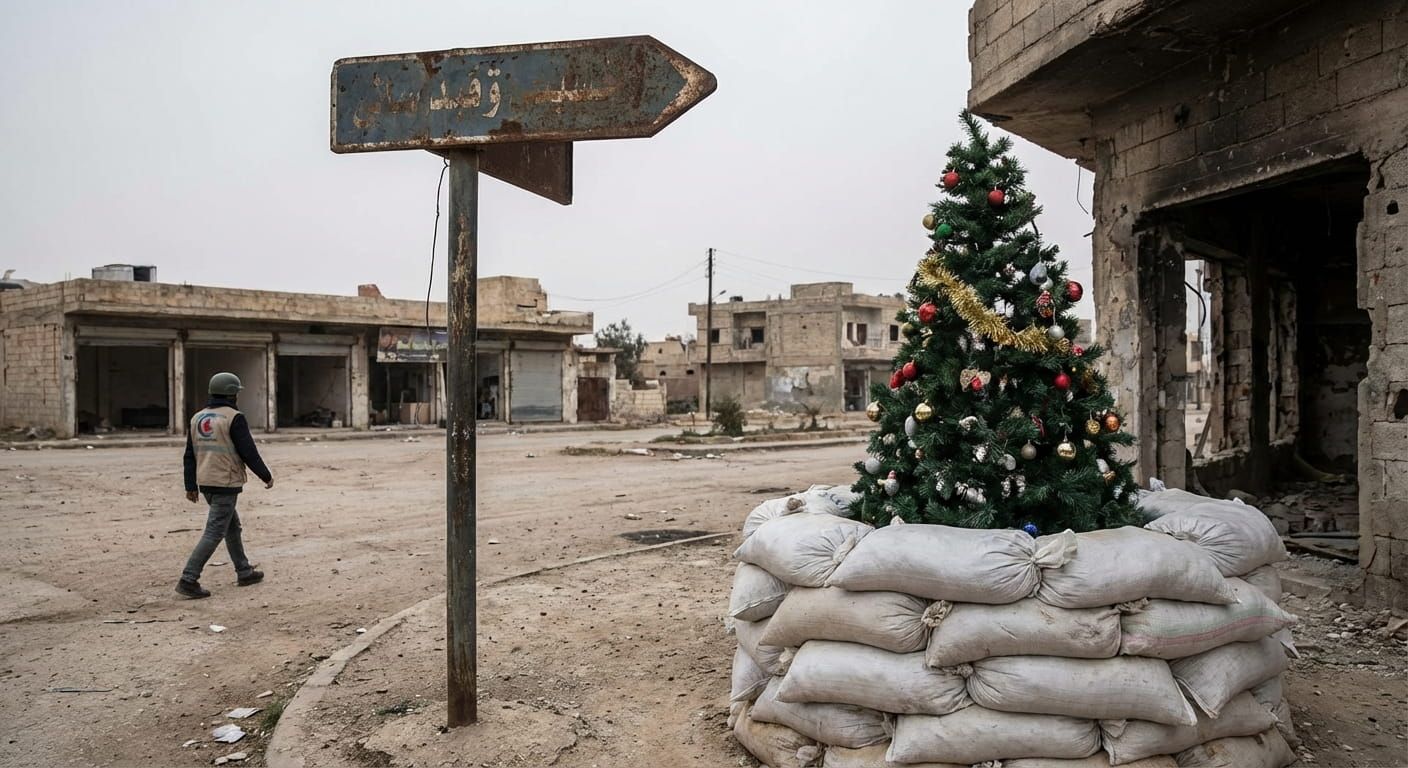
Holiday Safety in Active Conflict Zones
Holiday travel is usually about dates, daylight, and reservations. In an active conflict zone, it is also about airspace, curfews, and whether road...